KIYOMIZU WARE
About 400 years ago / 1600s / Edo Period (1603–1868)
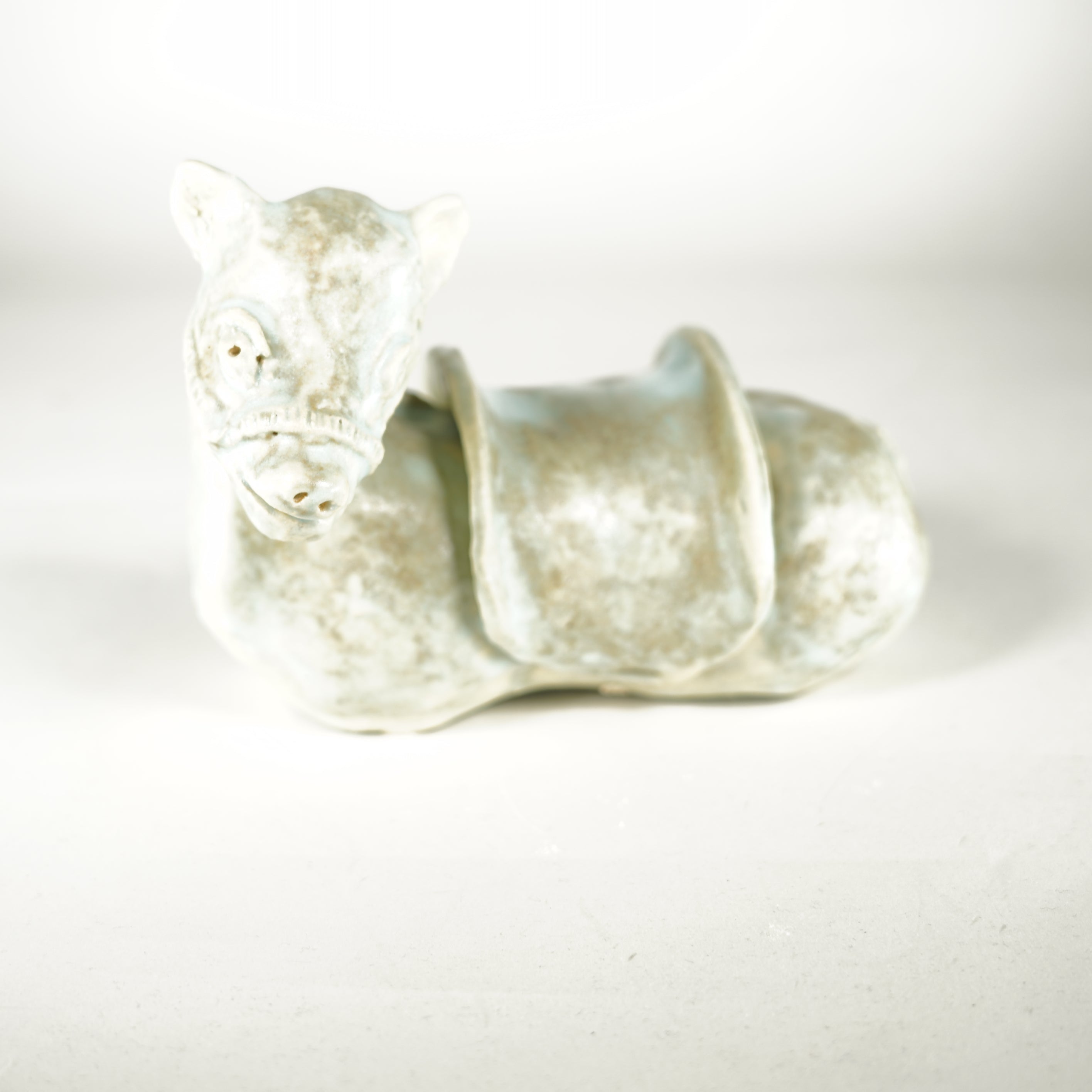
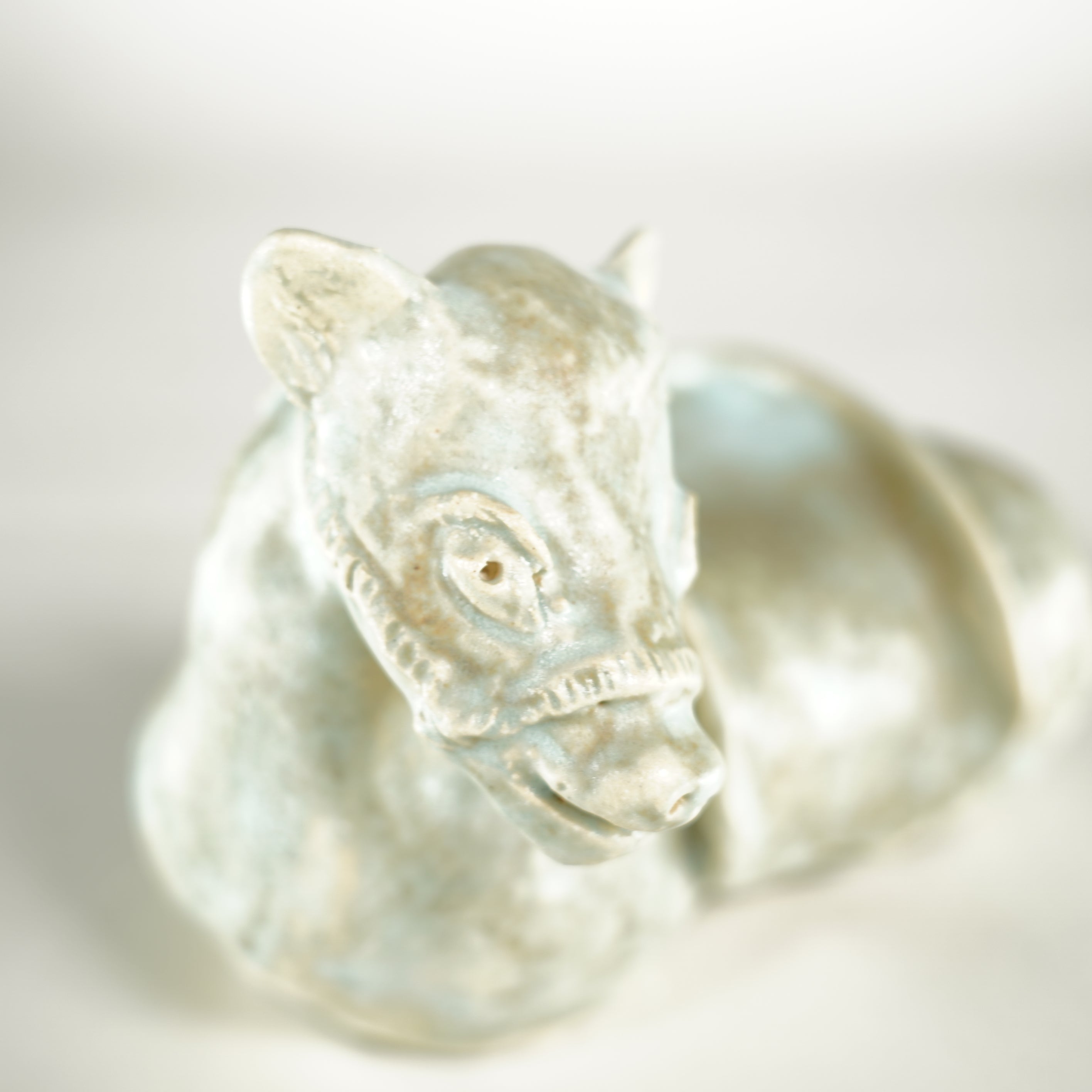
Kiyomizu ware takes its name from ceramics historically produced around Kiyomizu-dera and Kyoto’s eastern hills. It grew during the Edo period with tea culture and temple pilgrimage, absorbing the brilliant decoration associated with Ninsei and Kenzan as well as porcelain, blue-and-white and many other techniques.
In Japan, the name suggests refined Kyoto tableware, ranging from formal tea and kaiseki vessels to everyday dishes. Even after many kilns moved to districts such as Yamashina, the tradition retained an unusual stylistic diversity: each workshop may look completely different from the next.
Despite the name, many contemporary Kiyomizu workshops are no longer located near Kiyomizu-dera. Urban development and environmental concerns led to relocation, while the old place-name remained as a brand remembering the craft’s origin. Geography moved, but the name stayed.