Pena Ballpoint / Phoenix
DESCRIPTION
DETAILS
SIZE
MATERIAL
ARTISAN
KOGEI
Caution
Pena Ballpoint / Phoenix
促销价格¥1,905.00
选择选项
Pena Ballpoint / Phoenix
促销价格¥1,905.00
国家/地区
语言
购物车
您的购物车为空
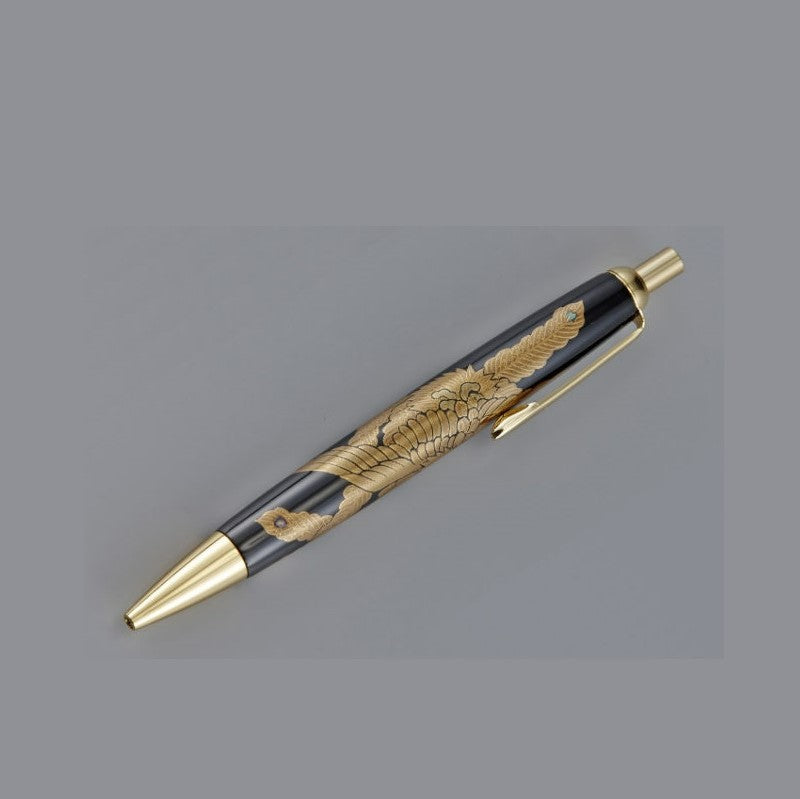
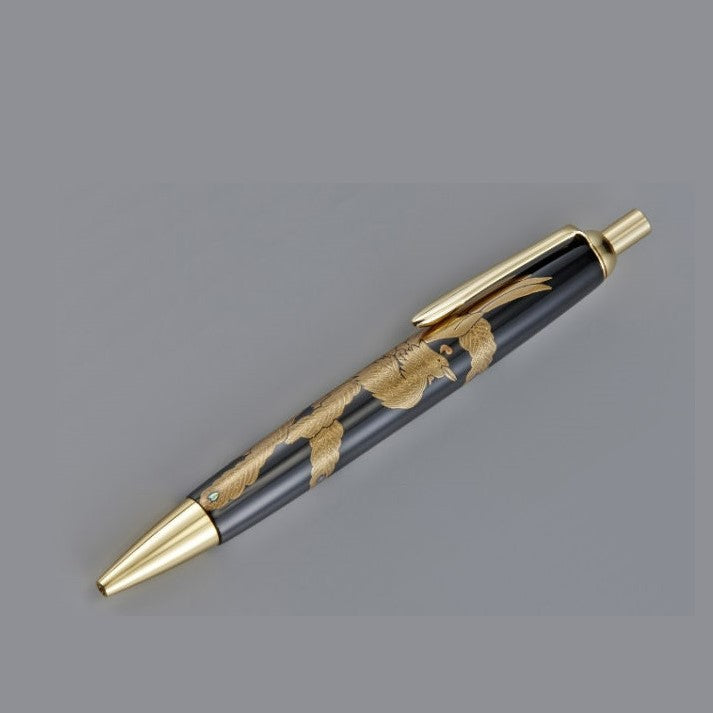
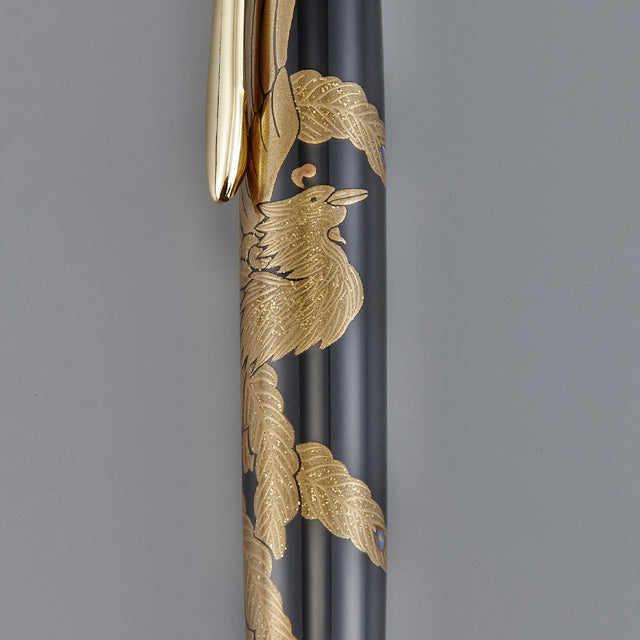
This is a powerful Wajima-nuri finished ballpoint pen with a phoenix on it. It is recommended for use by yourself or as a gift.
Wajima-nuri is produced through more than 100 processes by the hands of craftsmen. Why don't you pick up the elegant and robust Wajima-nuri, which is a combination product of tradition and technique?
SIZE
length : 13cm
MATERIAL
Lacquer
Gold
KADOCHI URUSHI
"Confident to say that Wajima-nuri is the best lacquerware in Japan and the world"
I have been familiar with lacquerware since I was a child and have interacted with highly skilled craftsmen. The craftsmanship and the crafts they create is so beautiful that it can be considered a work of art, and they create it every day using traditional techniques that have been handed down for hundreds of years.
ARTISAN STORY
Soichiro Kado / Kadochi Urushi
The fifth generation of the family was born in Wajima, Noto, where the family business of manufacturing Wajima-nuri lacquerware has been in existence for about 100 years. We manufacture and sell high-end Wajima lacquerware using authentic Wajima-nuri techniques. We also offer made to order request and repair services that take advantage of the good qualities of Wajima-nuri, and we still carry on the traditional techniques.
ACHIEVEMENTS
・Received the National Lacquer Industry Federation Chairman's Award
WAJIMA NURI / WAJIMA LACQUERWARE
About 700 years ago / 1300s / Muromachi Period
Wajima lacquerware has been produced in the Noto region since medieval times and expanded greatly in the Edo period through exceptionally durable foundation techniques and traveling merchant networks. Powdered baked diatomaceous earth called jinoko is mixed into lacquer layers and repeatedly applied and polished to build a remarkably strong base.
In Japan, Wajima represents lacquerware made to last a lifetime. Bowls, tiered boxes and trays are prized not only for chinkin and maki-e decoration but for a strong repair culture: old pieces are recoated and damaged areas restored so objects can pass through generations.
A single vessel may involve more than one hundred stages divided among specialists in wood, foundation, coating, polishing and decoration. Cloth is even applied to vulnerable edges and joints before the decorative finish. Strength is engineered long before the beauty is visible.
Individual Differences
As each piece is individually handcrafted, slight variations in color, pattern, shape, and texture may occur. These subtle differences are a natural characteristic of handcrafted works, making each piece truly unique. We hope you will enjoy these individual variations as part of the beauty and character of Japanese craftsmanship.
Production Time
If an item is not currently in stock, it may be made to order by the artisan. As each piece is carefully handcrafted, production may take several months depending on the item and the artisan's schedule. We appreciate your patience and understanding.
选择选项