TANIGAWA MOKKOGEI / JAPANESE WOOD CRAFT
About 100 years ago / 1900s / Modern Japan
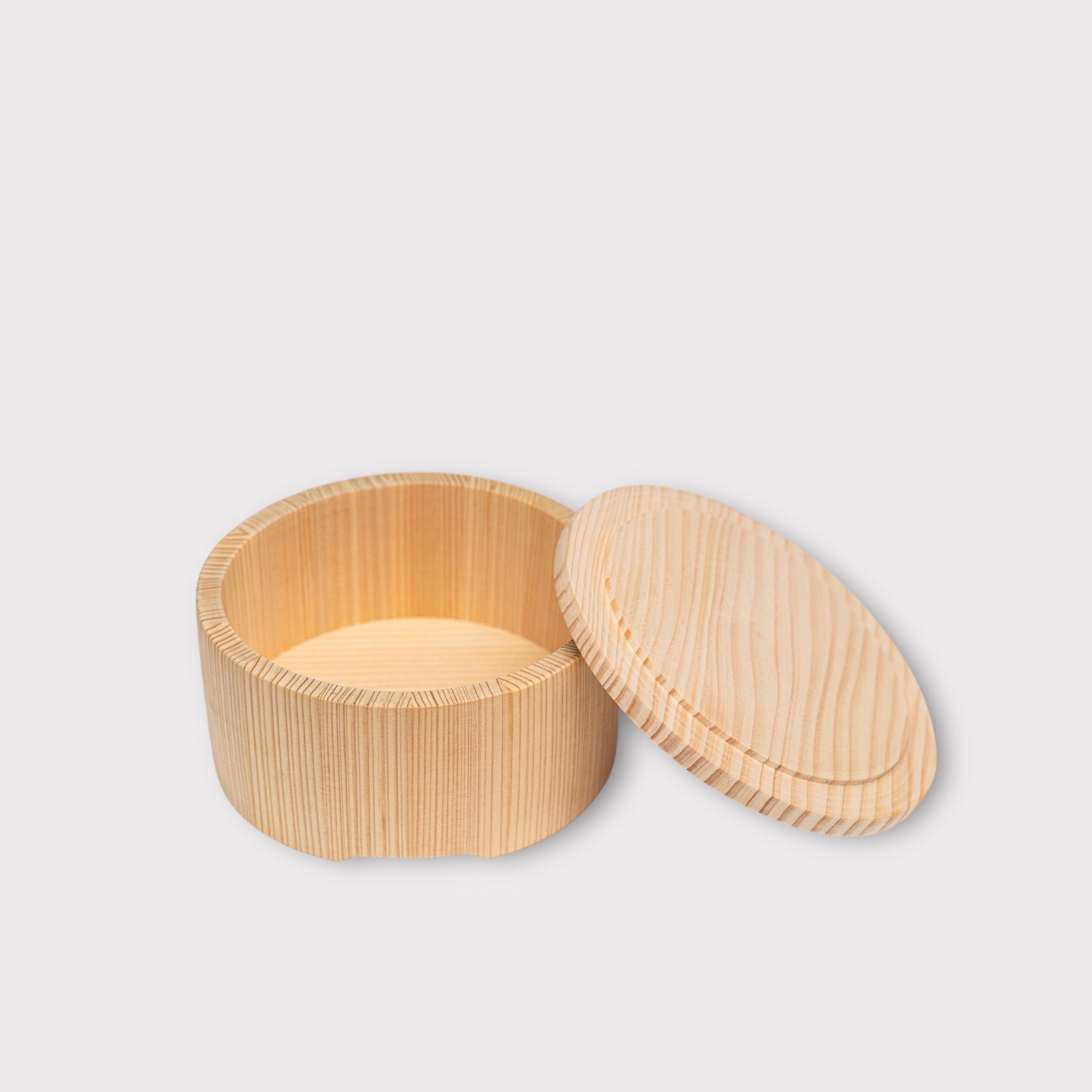
Tanigawa woodcraft represents a workshop-based tradition of turning and joinery that uses regional timber for vessels and daily tools. In the modern era, production developed around household needs, emphasizing visible grain, comfortable forms and finishes that allow wood to remain tactile.
In Japan, this kind of woodwork sits naturally beside ceramics and metalware on the everyday table. Wooden vessels transmit heat slowly, are light in the hand and do not shatter as easily as ceramic, making them especially practical for soup bowls and children’s tableware.
A woodworker reads far more than species. Hardness, moisture and the position of the annual rings determine how a piece may move after carving. Material selection therefore involves imagining not only the object at completion, but how the wood may distort several years into the future.