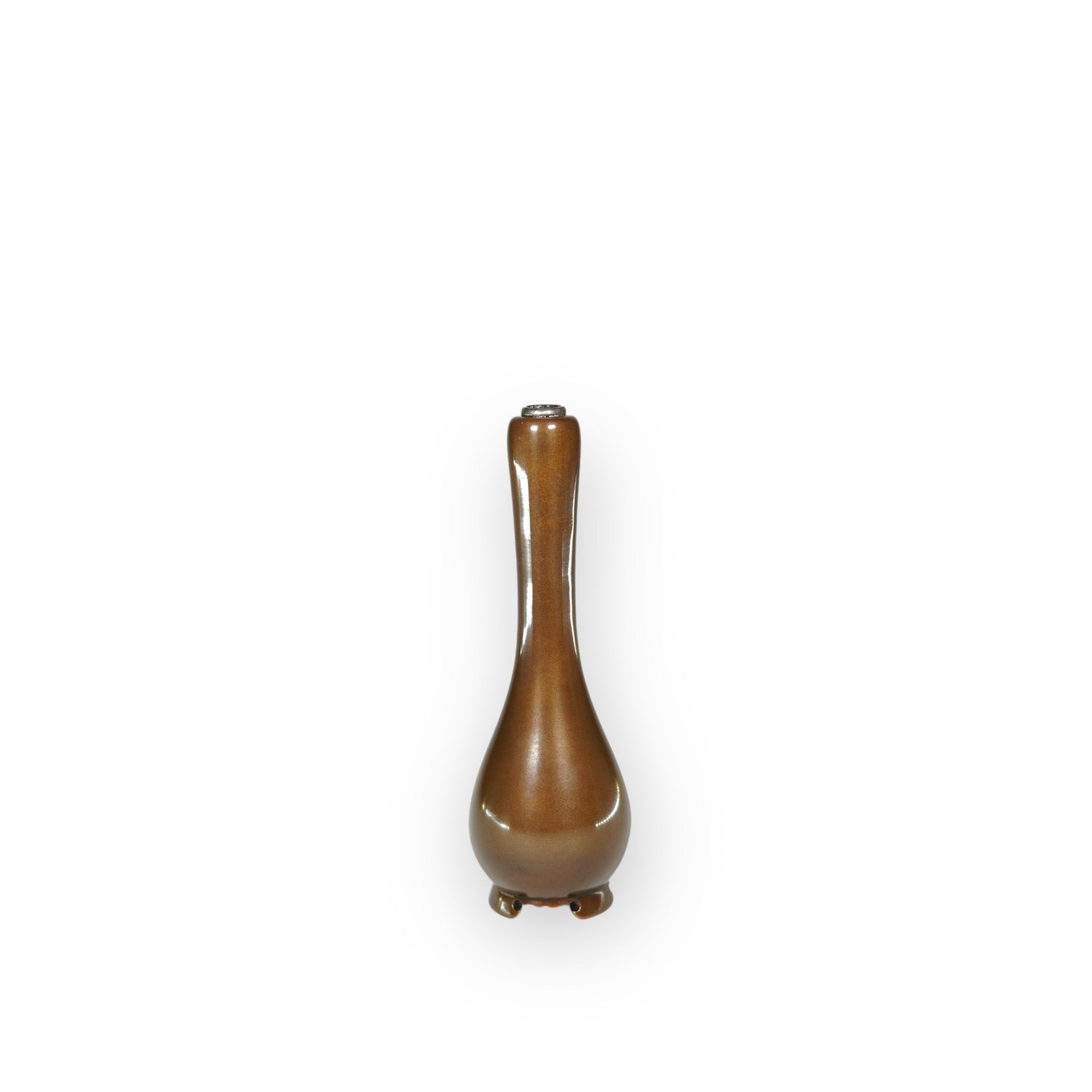
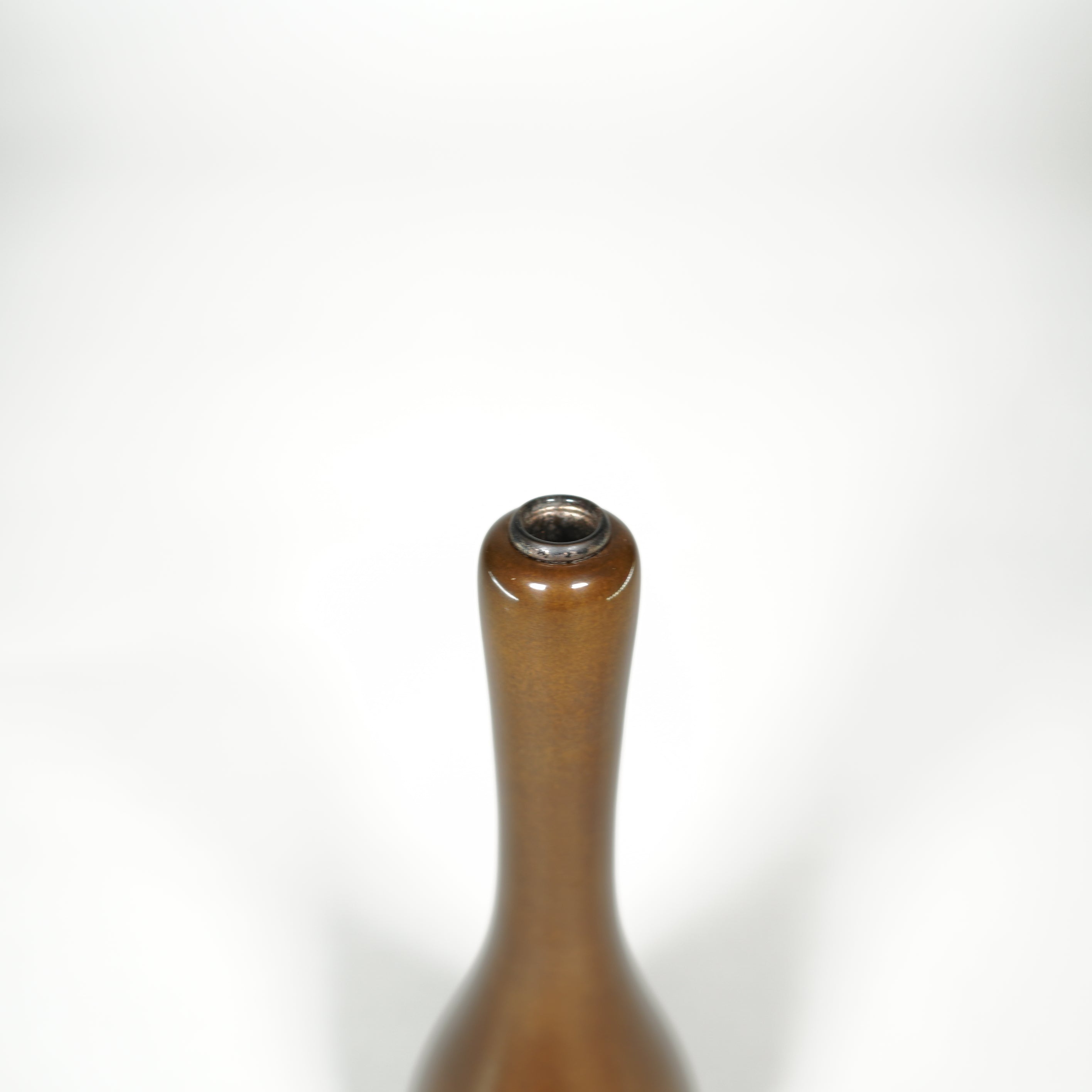


Vas bunga casting lilin / coklat
DESCRIPTION
DETAILS
SIZE
MATERIAL
ARTISAN
KOGEI
Caution
Vas bunga casting lilin / coklat
促销价格¥6,023.00
选择选项
Vas bunga casting lilin / coklat
促销价格¥6,023.00
国家/地区
语言
购物车
您的购物车为空
This vase is made using the traditional wax casting method.
Due to the characteristics of the wax casting method, it is impossible to make exactly the same vase, making it a special one-of-a-kind vase.
It is a single-flower vase that is very festive when placed on a table or in an entryway.
The glass container inside the vase is decorated with a unique and beautiful design using a decorative technique used in Nishijin textiles.
SIZE
Width : 5cm
Height : 15cm
Weight : 270g
MATERIAL
Copper alloy
Glass
WAX STUDIO YAMAZAKI
Sublimating traditional techniques into art
We sublimate the ancient wax casting method into art that matches the modern age, and create precise and beautiful products that take advantage of the characteristics of the wax casting method.We want many people to know the charm of wax casting.
ARTISAN STORY
Seiichi Yamazaki / Yamazaki Castings Studio
Using the traditional wax casting method, we produce metal crafts such as Buddhist ritual utensils, tea ceremony utensils, and the restoration of cultural assets.
Yamazaki Castings Studio also sublimates wax casting into an art form to make it more accessible to people's lifestyles.
ROGATA KOGEI / JAPANESE LOST-WAX CASTING
About 1,300 years ago / 700s / Nara Period (710–794)
Lost-wax casting begins with a model made in wax, which is surrounded by refractory material. Heating removes the wax, leaving a cavity into which molten metal is poured. The method was used for ancient Buddhist sculpture and metalwork in Japan and survives in highly detailed ritual objects, incense burners and sculpture.
In Japan, the technique remains important because it can cast branches, fingers, openwork and other complicated forms that would be difficult to remove from a reusable mold. Contemporary sculptors and jewelers use the same principle alongside traditional Buddhist crafts.
Its defining feature is sacrifice: the original wax model disappears before the metal object exists. Because the wax is completely melted out, the first “sculpture” cannot be reused. The craft literally requires one object to be lost in order for the final one to be born.
Individual Differences
As each piece is individually handcrafted, slight variations in color, pattern, shape, and texture may occur. These subtle differences are a natural characteristic of handcrafted works, making each piece truly unique. We hope you will enjoy these individual variations as part of the beauty and character of Japanese craftsmanship.
Production Time
If an item is not currently in stock, it may be made to order by the artisan. As each piece is carefully handcrafted, production may take several months depending on the item and the artisan's schedule. We appreciate your patience and understanding.
选择选项