Punto nero
DESCRIPTION
DETAILS
SIZE
MATERIAL
ARTISAN
KOGEI
Caution
Punto nero
Prezzo scontatoKHR207,000.00
Scegli le opzioni
Punto nero
Prezzo scontatoKHR207,000.00
Paese/Area geografica
Lingua
Carrello
Il tuo carrello è vuoto
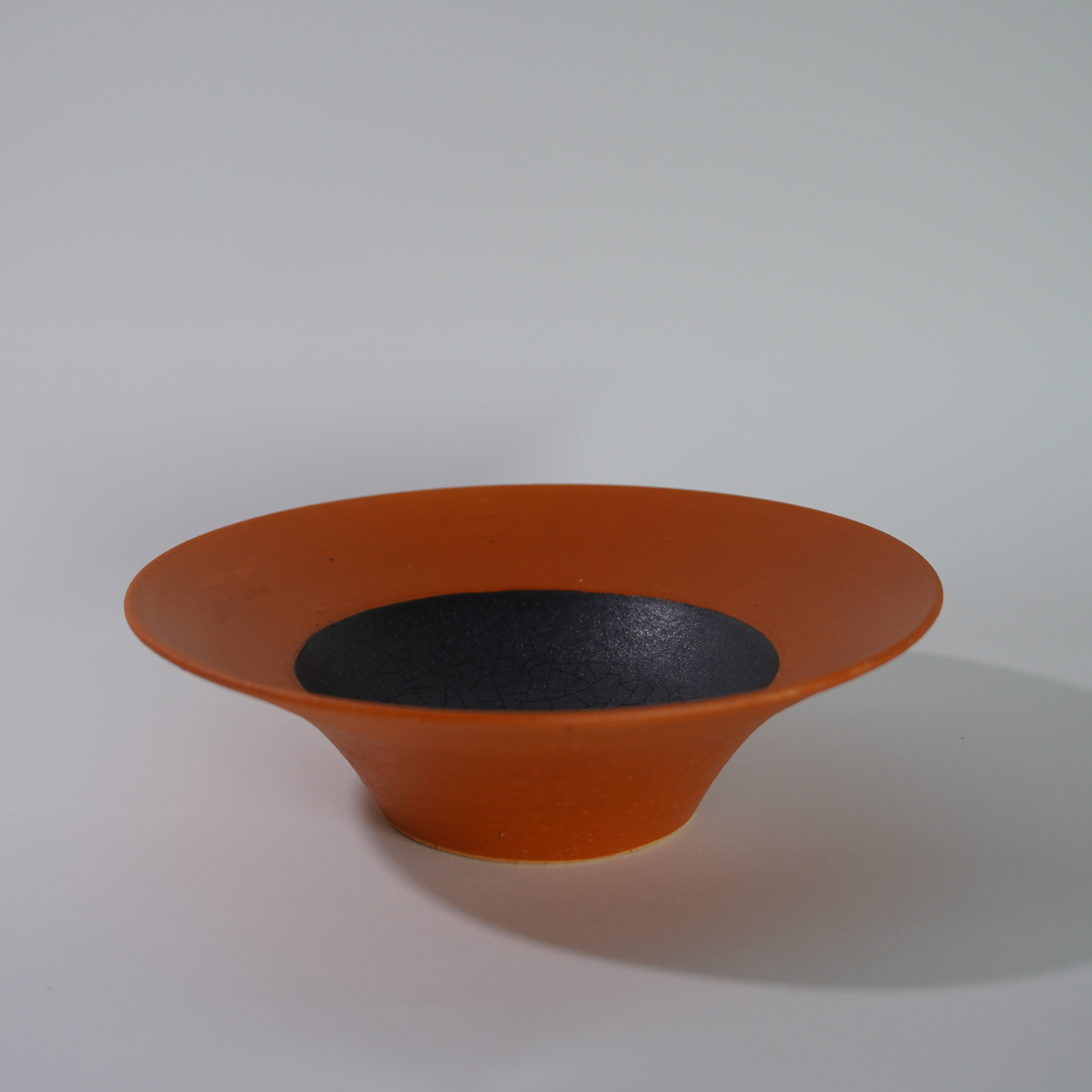
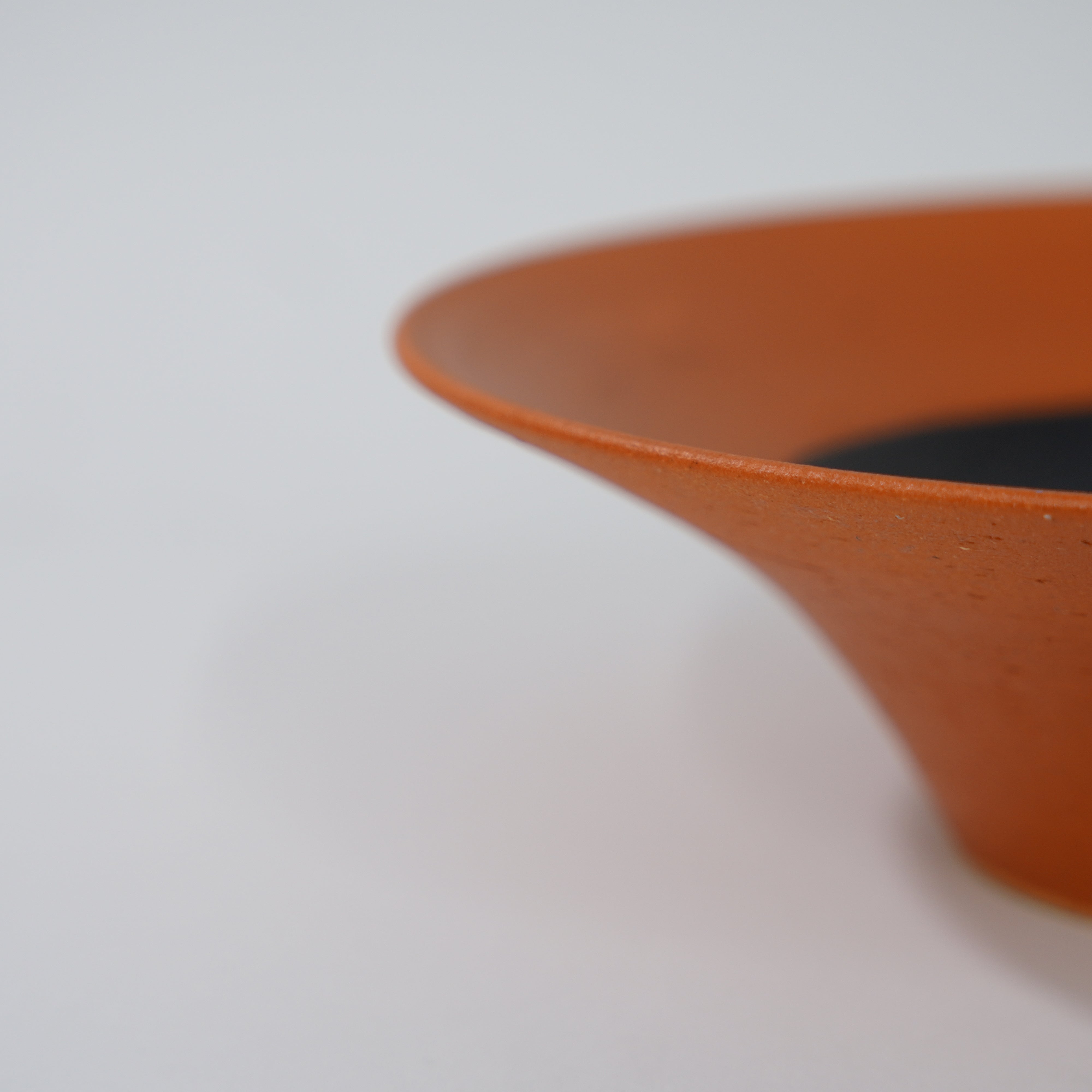
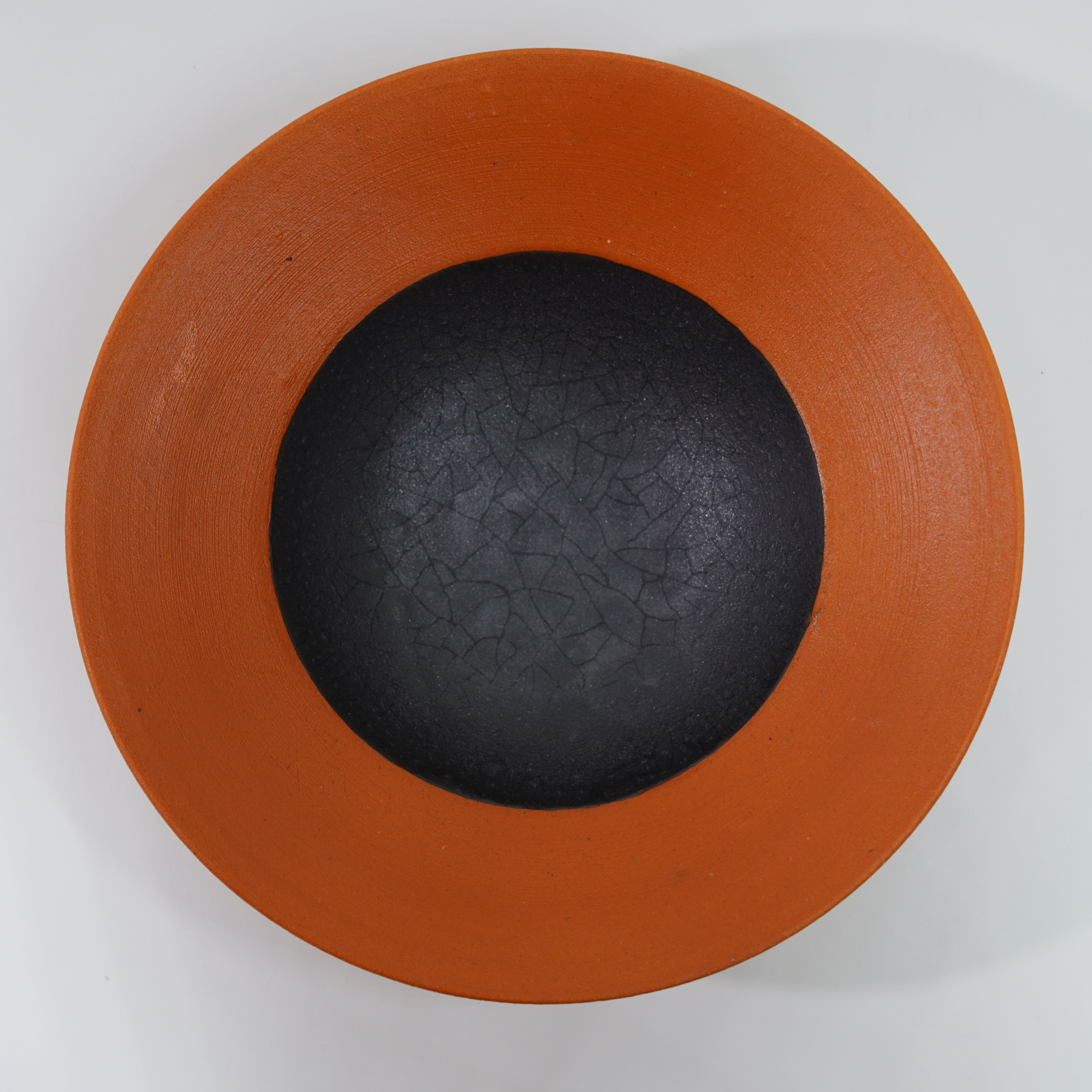
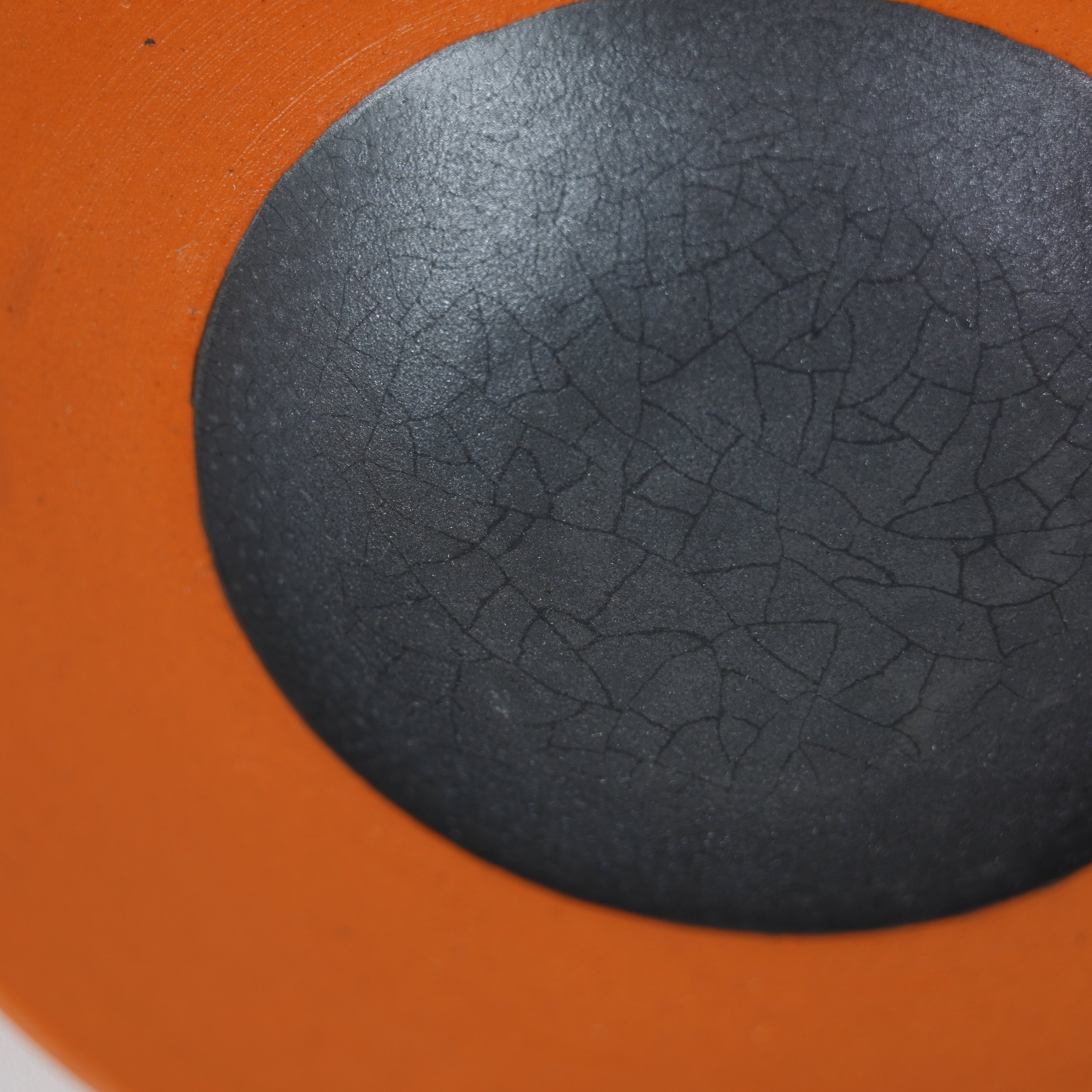
This plate features orange and black. The combination of bright orange and powerful black evokes the image of a plate that might be served in a fine restaurant.
We invite you to pick it up and enjoy dinner on this plate on a special occasion at home.
We hope you will try to incorporate Shigaraki ware, which has a history of over 1,200 years, into your daily life.
SIZE
Width:22.5cm
Depth:22.5cm
Height:9.5cm
Weight:825g
MATERIAL
Clay
SOUTOUEN
"Using crafts enriches your mind"
Crafts are just a kind of luxury item and may not be necessary for daily life compared to dishes that can be purchased cheaply. However, I believe that picking up a craft and using it in your daily life enriches your heart somehow. When our hearts are enriched, our lives are also enriched. With this thought in mind, I am producing works that you hopefully love.
ARTISAN STORY
Takashi Ueda / Soutouen
Shigaraki pottery shop called Soutouen is located in Shigraraki city in Shiga prefecture. They own the largest kiln in Japan and produce large number of crafts in a certain season. They mainly make tableware, but also craft tea ceremony utensils, fountains, pots and even tire stopper for parking lots.
ACHIEVEMENTS
・Designated as a traditional craftsman
SHIGARAKI WARE
About 750 years ago / 1200s / Kamakura Period (1185–1333)
Shigaraki ware began in the Kamakura period and is one of Japan’s Six Ancient Kilns. Local clay rich in feldspar was fired at high temperatures into jars, storage vessels and mortars. Tea masters later admired its accidental firing effects, while modern kilns adapted to new markets such as hibachi, planters and sculptural tanuki figures.
In Japan, Shigaraki is loved for visibly earthy surfaces—rough clay, reddish firing colors and natural greenish ash glaze. Contemporary production ranges from tableware and flower vessels to architectural ceramics and art.
The famous Shigaraki raccoon dog is not an ancient tradition. It became a nationwide icon only in the twentieth century. When Emperor Showa visited Shigaraki in 1951, rows of ceramic tanuki holding Japanese flags reportedly greeted him; the images spread widely and helped turn the figure into the symbol of the entire pottery town.
Individual Differences
As each piece is individually handcrafted, slight variations in color, pattern, shape, and texture may occur. These subtle differences are a natural characteristic of handcrafted works, making each piece truly unique. We hope you will enjoy these individual variations as part of the beauty and character of Japanese craftsmanship.
Production Time
If an item is not currently in stock, it may be made to order by the artisan. As each piece is carefully handcrafted, production may take several months depending on the item and the artisan's schedule. We appreciate your patience and understanding.
Scegli le opzioni