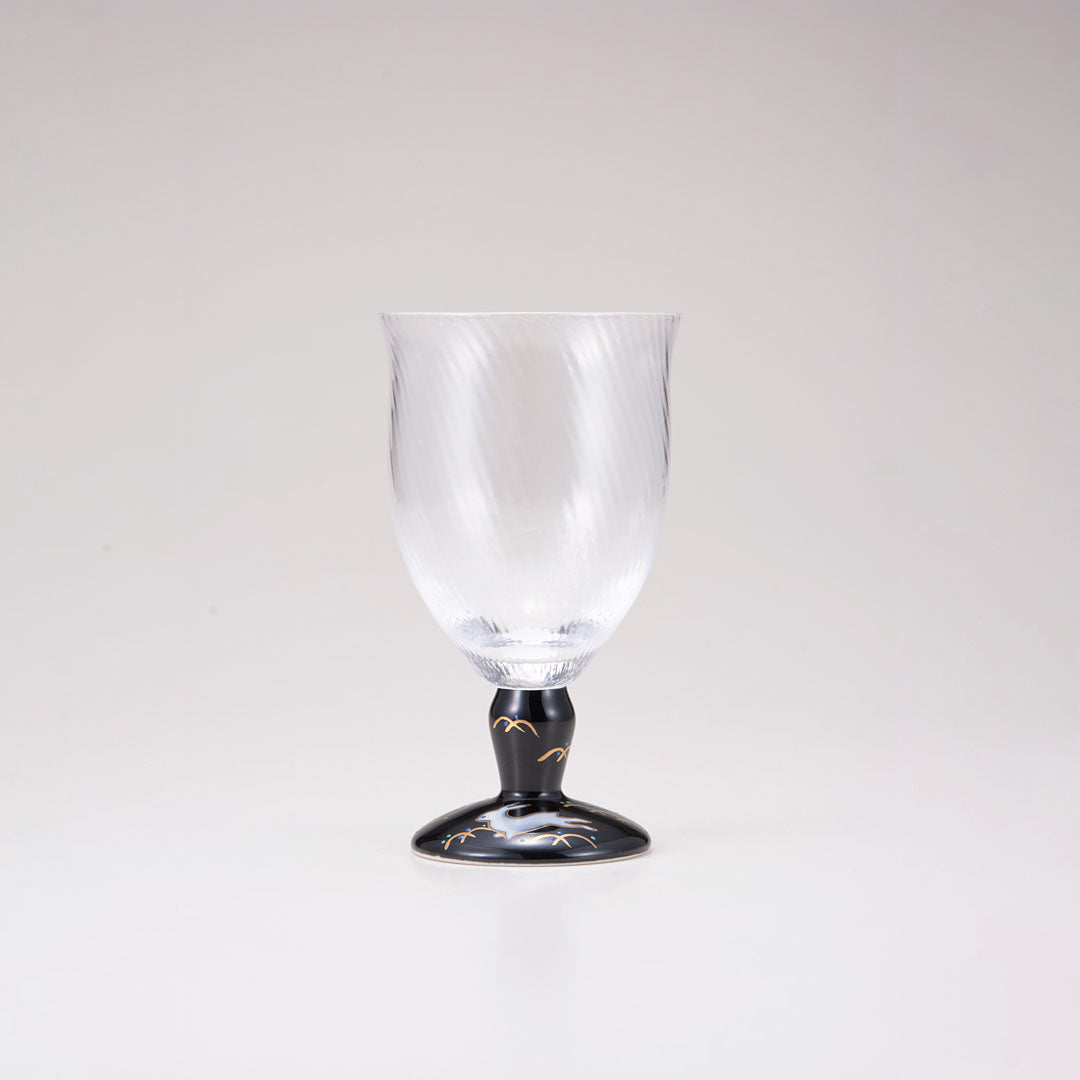
Glass / Rabbit / Diagonal
DESCRIPTION
DETAILS
SIZE
MATERIAL
ARTISAN
KOGEI
Caution
Glass / Rabbit / Diagonal
Sale price€91,95
Choose options
Glass / Rabbit / Diagonal
Sale price€91,95
Country
Language
Cart
Your cart is empty
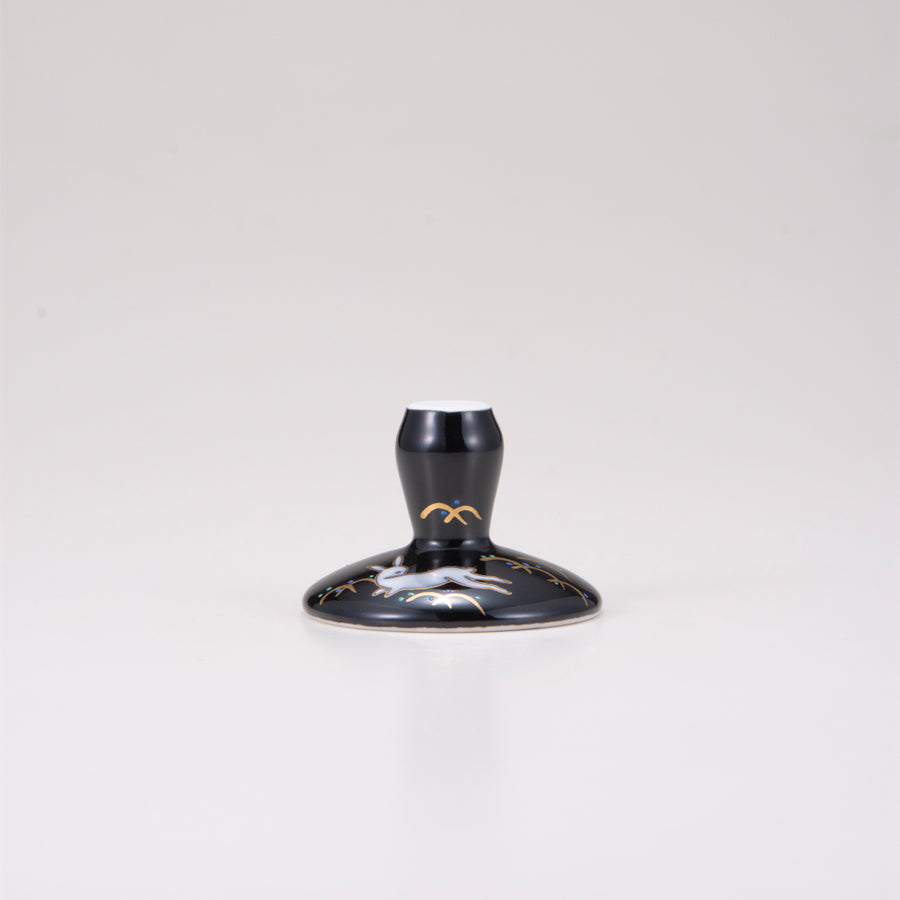
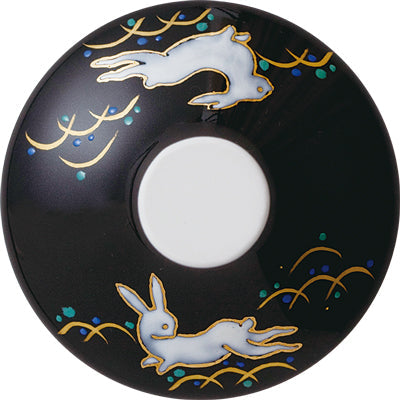
This free glass (oblique) of "Kutani Wa Glass" is a fusion of Kutani pottery and hand-blown glass.
The design is a mixture of Japanese and Western styles to fit easily into today's lifestyle. The barium crystal of the glass part has transparency and luster, does not contain lead, which is an environmental concern, and has excellent hardness and scratch resistance. You can choose from 30 different designs and pretty sure that you will find your favorite one!
SIZE
Width:8cm
Depth:8cm
Height:14.5cm
Weight:155g
Volume:280ml
MATERIAL
Pottery stoneClayGlass:Barium crystal
SEIHODO
"Fusion of Tradition and Modernity"
We believe that rather than preserving tradition, collaboration with areas that have never crossed paths will create a chemical reaction. In the midst of changing lifestyles, both Japanese and Western, we will build a new era by creating products that blend into modern life.
ARTISAN STORY
Seihodo
A company that has been making Kutani pottery in Ishikawa Prefecture since 1964. In addition to normal Kutani pottery, the company specializes in developing products that fuse handmade craftsmanship, such as Kutani Wa Glass, which is a combination of Kutani pottery and Edo glass. The company has many products that reveal new possibilities of traditional craftsmanship that harmonize with living spaces in both Japanese and Western styles.
ACHIEVEMENTS
・Received Good Deisgn Award
KUTANI WARE
About 370 years ago / 1650s / Edo Period (1603–1868)
Kutani ware is traditionally traced to a kiln established in Kutani village around 1655 under the Daishoji domain. The first Ko-Kutani production ended after only several decades, but a nineteenth-century revival created a series of influential kilns—Kasugayama, Yoshidaya, Miyamotoya and others—and established the broad family of styles known today.
In Japan, Kutani is immediately associated with bold overglaze color, often covering much of the vessel. It remains popular for gifts and display pieces, while contemporary artists work in very different traditions, including aka-e red painting, aode green-dominant decoration and extensive gold.
The classic palette is known as the Kutani Five Colors: deep blue, green, yellow, purple and red. Aode pieces can almost eliminate red and saturate the surface with green and yellow. Few ceramic traditions contain so many distinct “schools” of painting under a single regional name.
Individual Differences
As each piece is individually handcrafted, slight variations in color, pattern, shape, and texture may occur. These subtle differences are a natural characteristic of handcrafted works, making each piece truly unique. We hope you will enjoy these individual variations as part of the beauty and character of Japanese craftsmanship.
Production Time
If an item is not currently in stock, it may be made to order by the artisan. As each piece is carefully handcrafted, production may take several months depending on the item and the artisan's schedule. We appreciate your patience and understanding.
Choose options