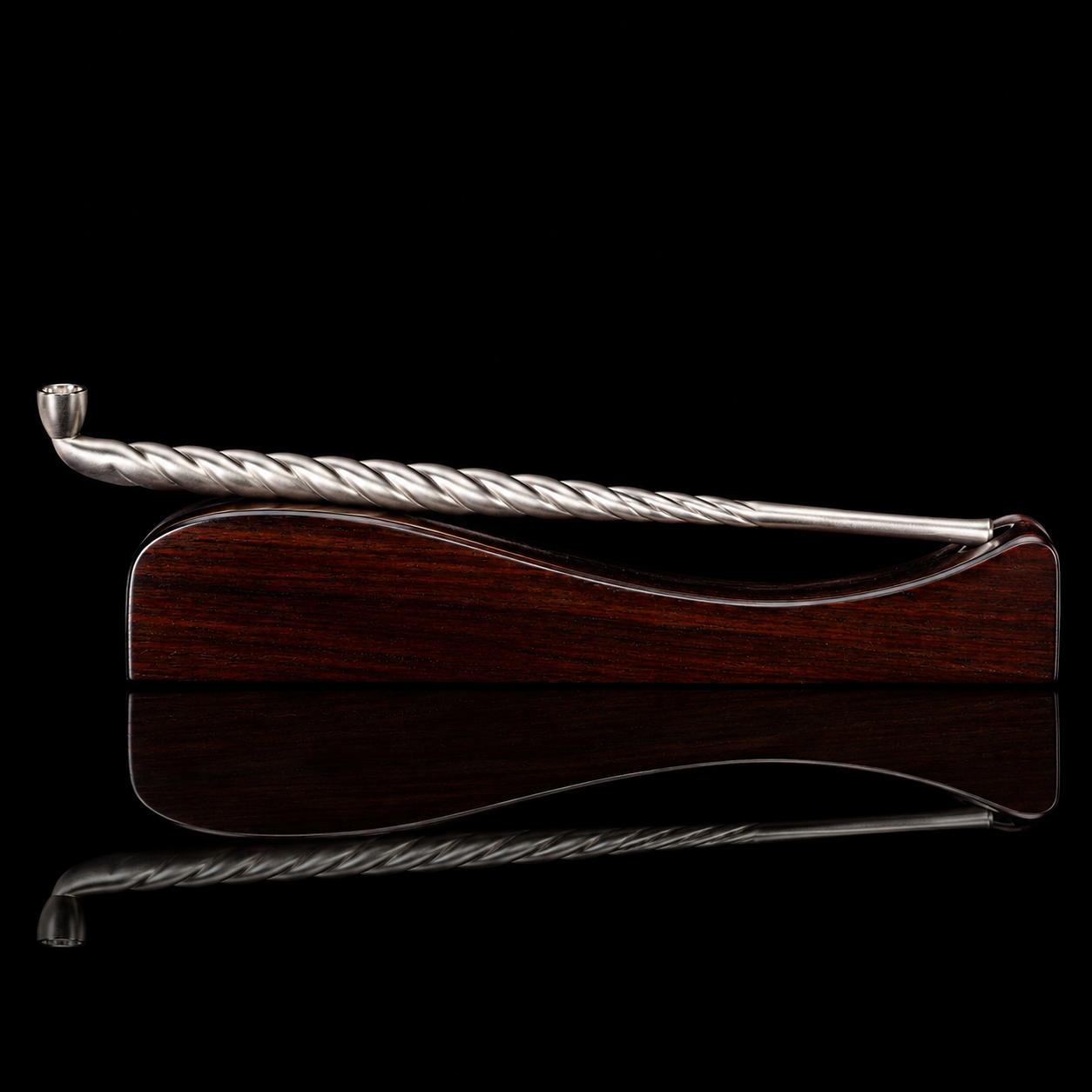
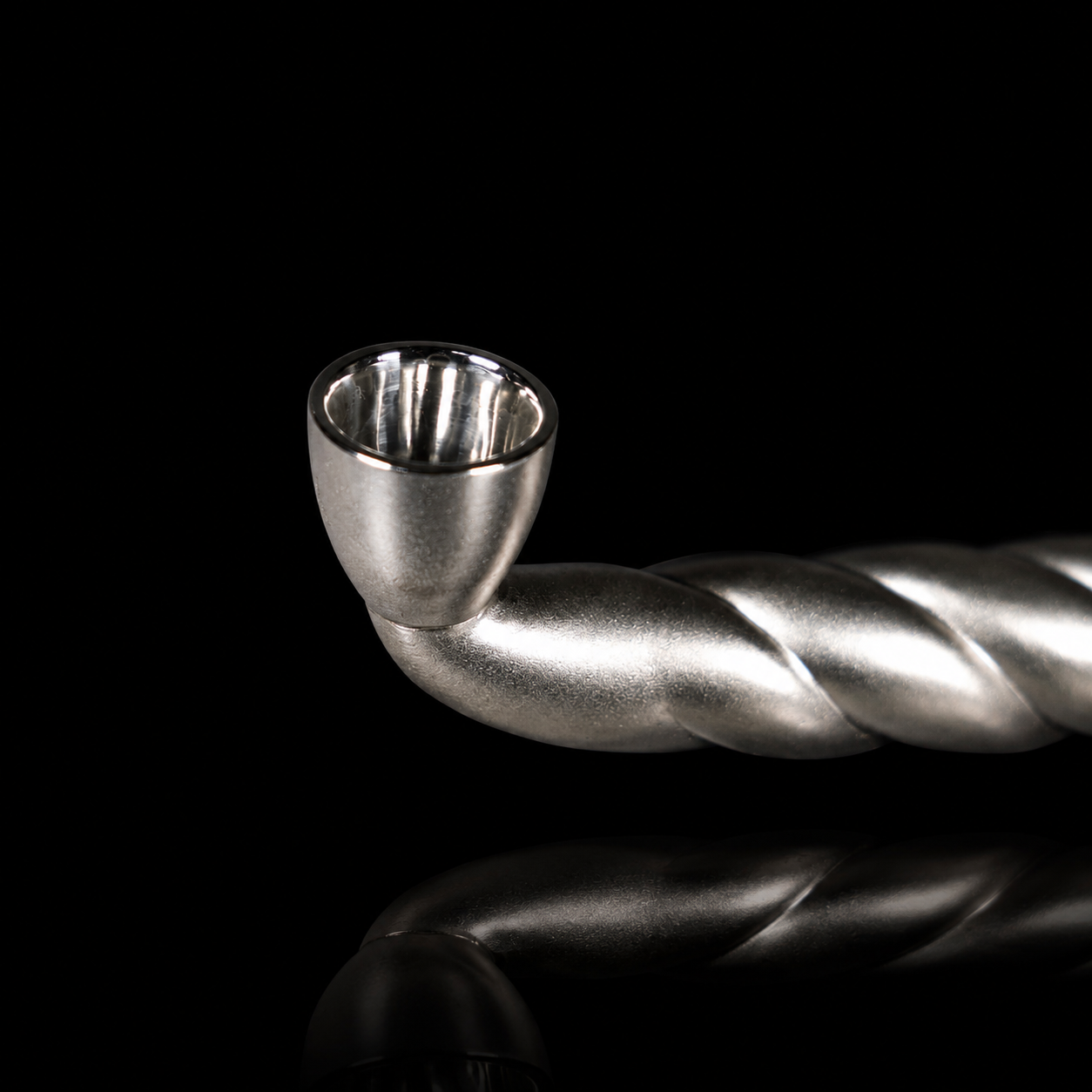
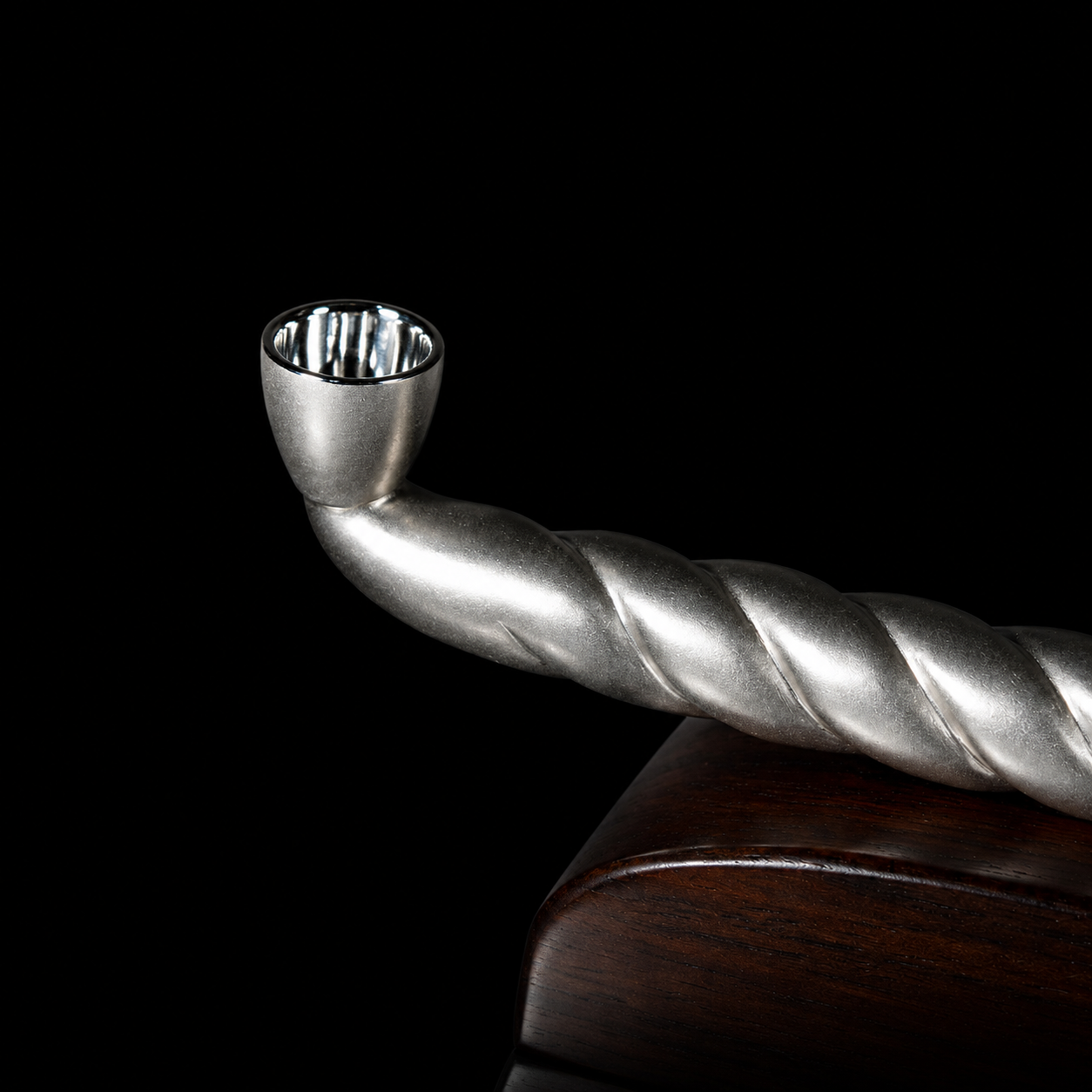
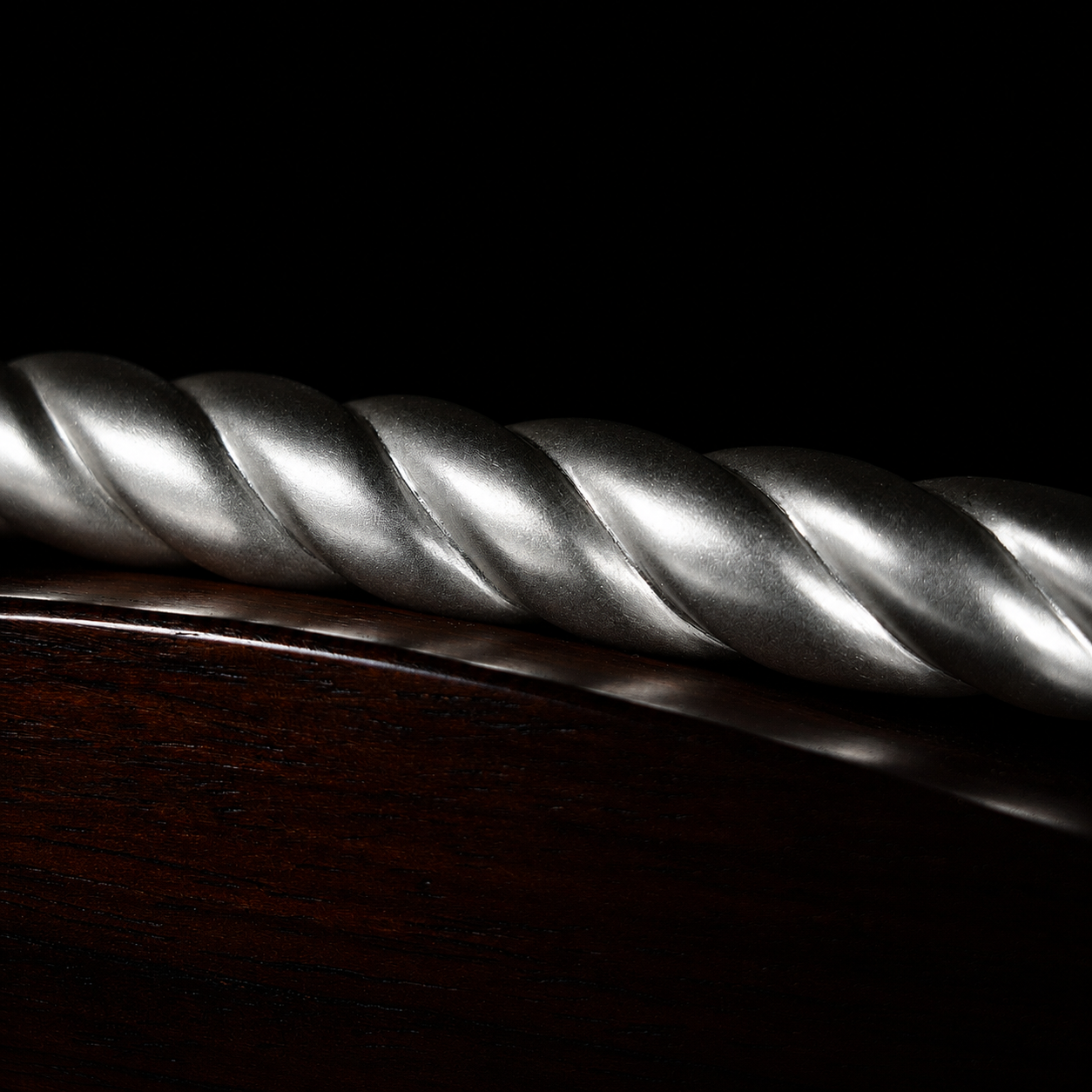
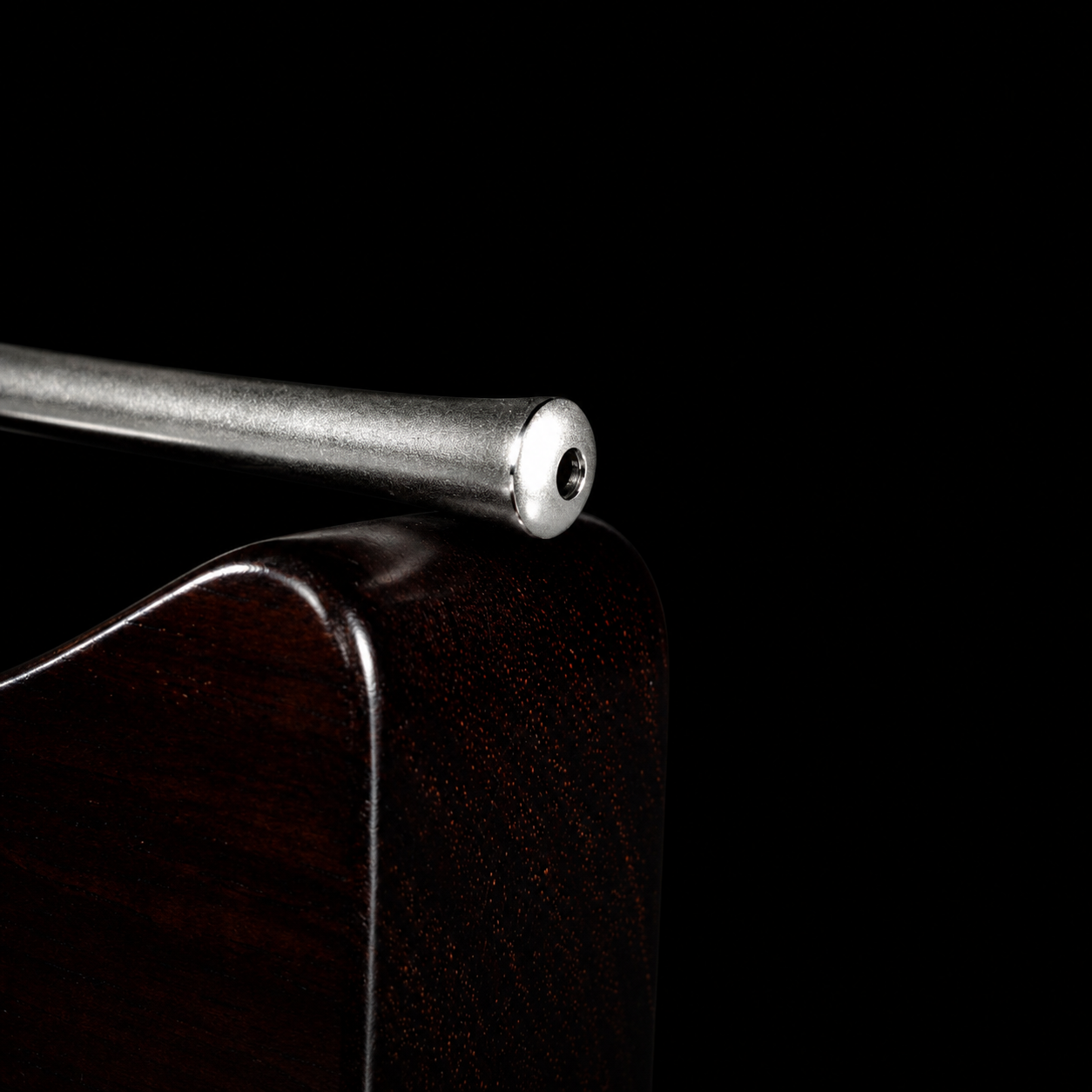
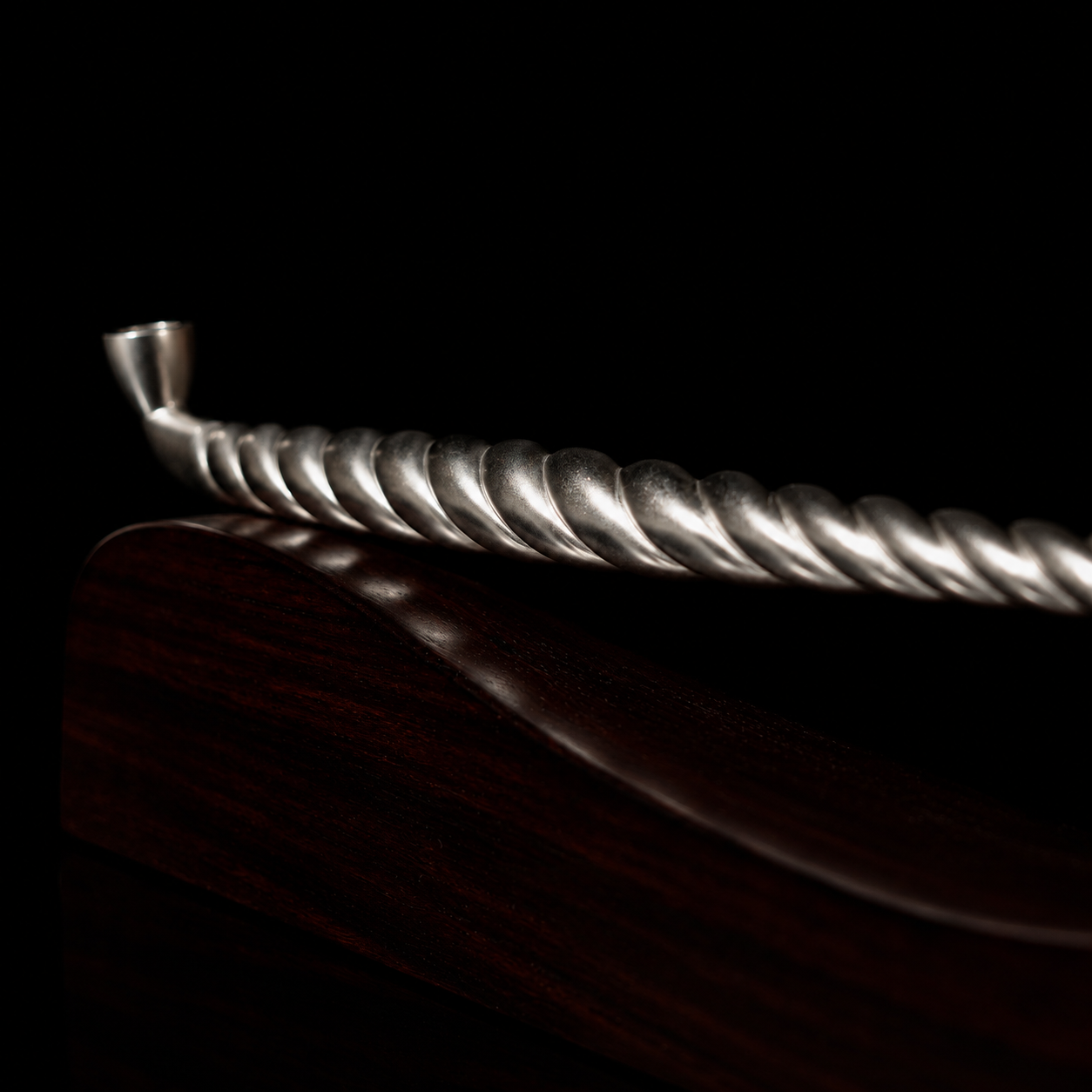
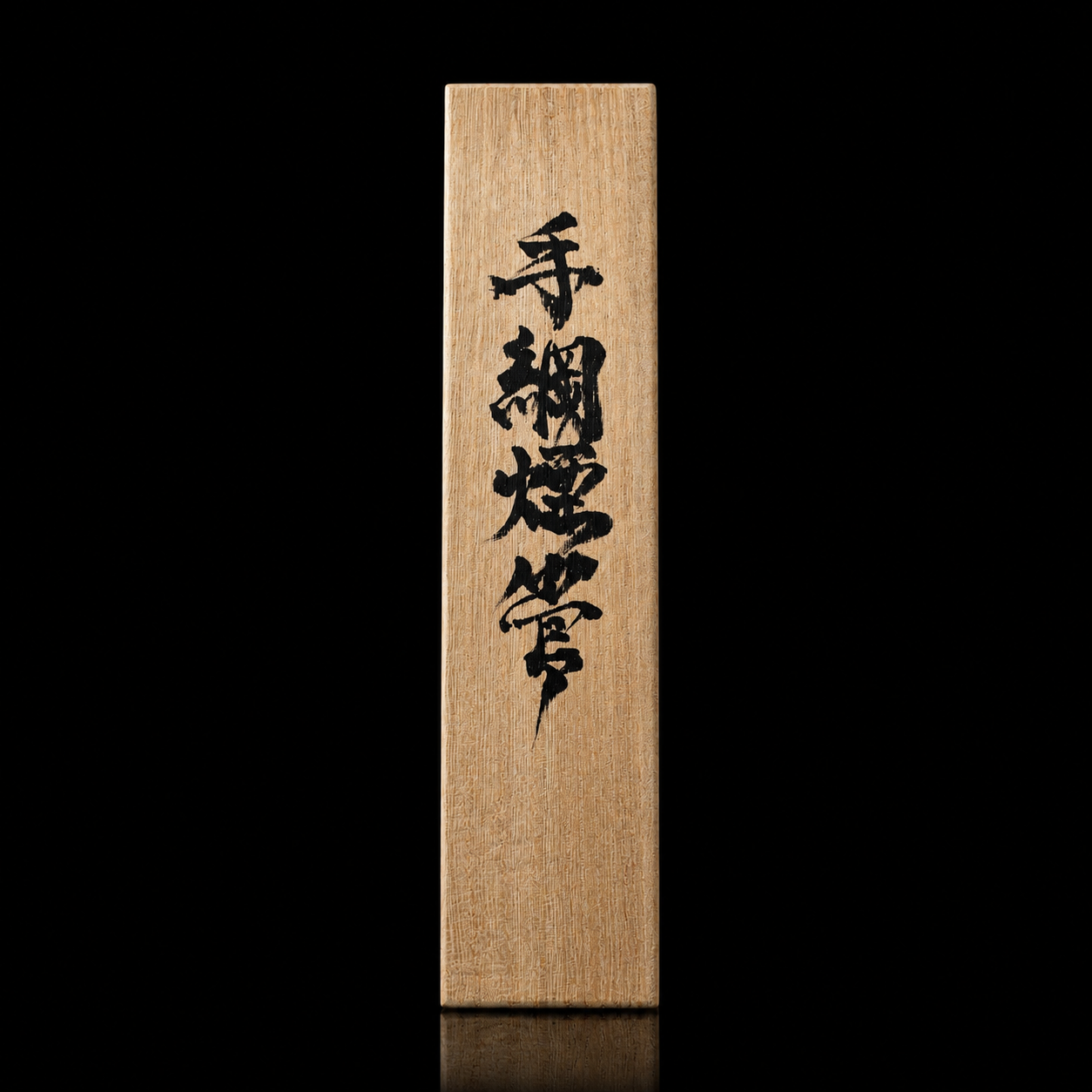
KISERU / JAPANESE SMOKING PIPE
About 450 years ago / 1500s / Azuchi–Momoyama Period (1573–1603)
The kiseru developed after tobacco and smoking culture reached Japan in the late sixteenth century. Inspired by foreign pipes, it evolved into a distinctly Japanese form. During the Edo period, bowls became smaller to suit extremely finely cut tobacco, while metal engraving, inlay and lacquer transformed the pipe into something close to a personal accessory.
For Edo-period Japanese, a kiseru was not merely a smoking implement; it could express taste, status and style. Its everyday use declined after cigarettes became widespread in the modern era, but today it is valued as a vessel for sophisticated metalworking and as a tangible remnant of Edo culture.
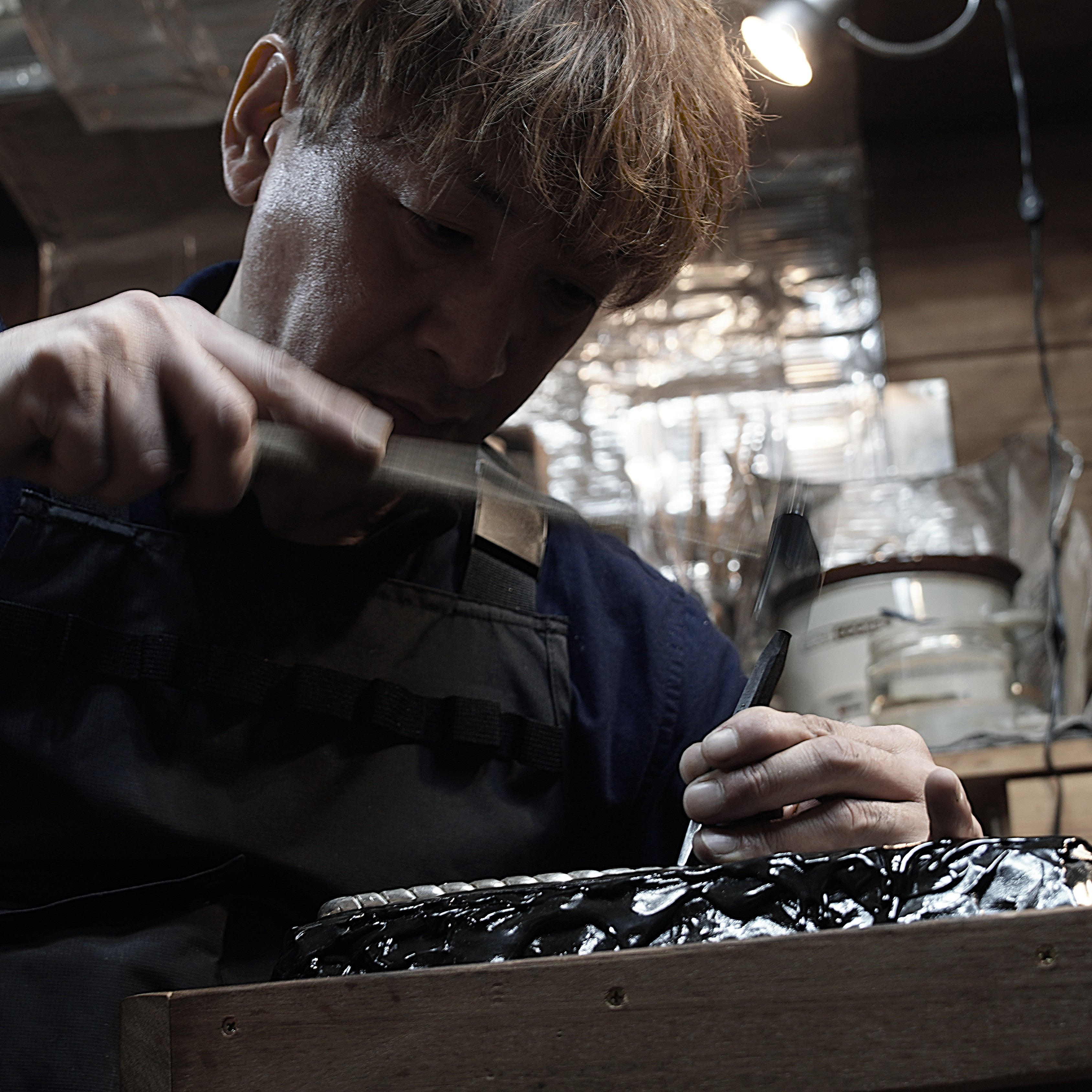
One unexpected chapter came after the 1876 sword ban. Metalworkers who had specialized in sword fittings lost much of their traditional market, and some turned their skills to smoking accessories. As a result, techniques once used on samurai equipment survived in exquisitely engraved and inlaid pipes.