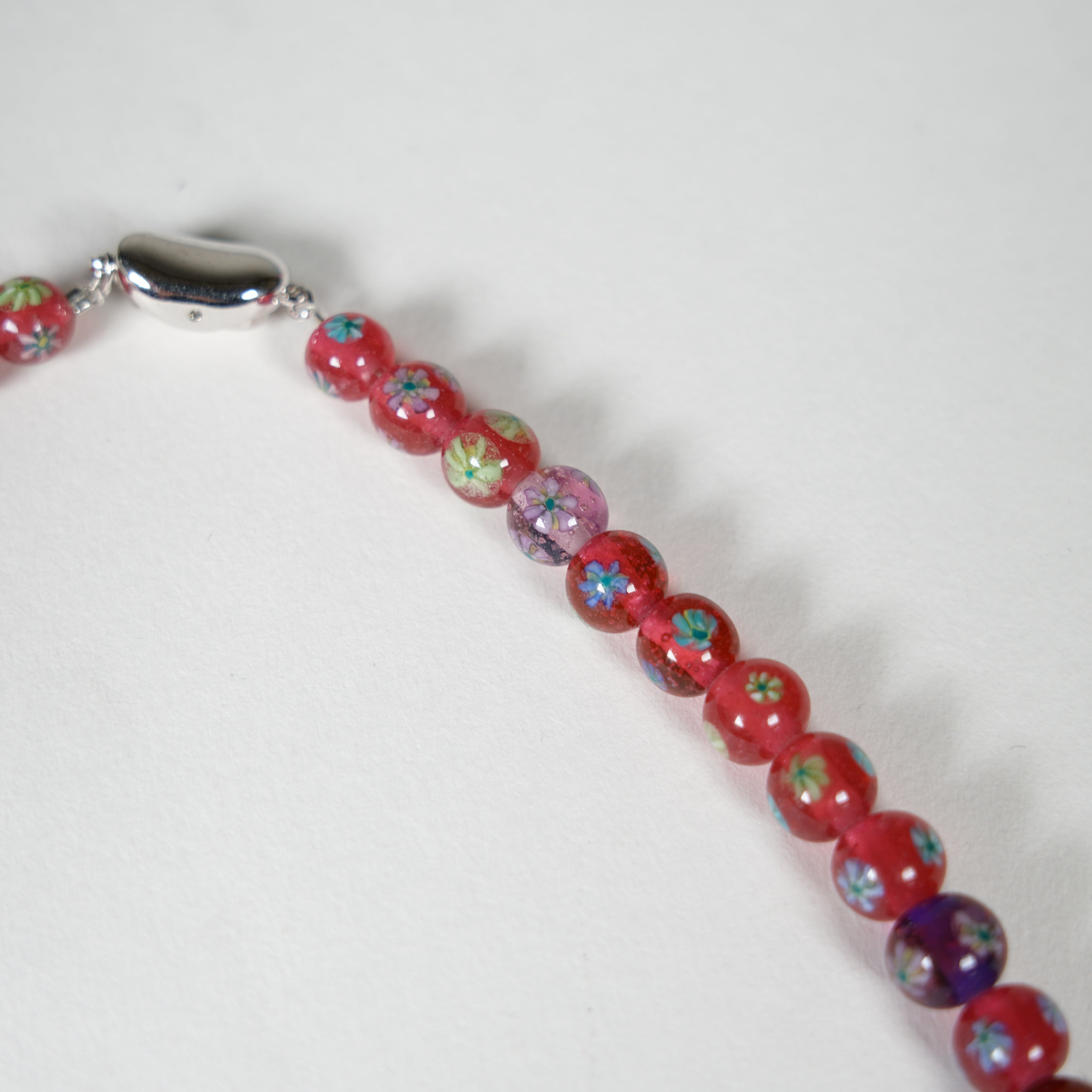
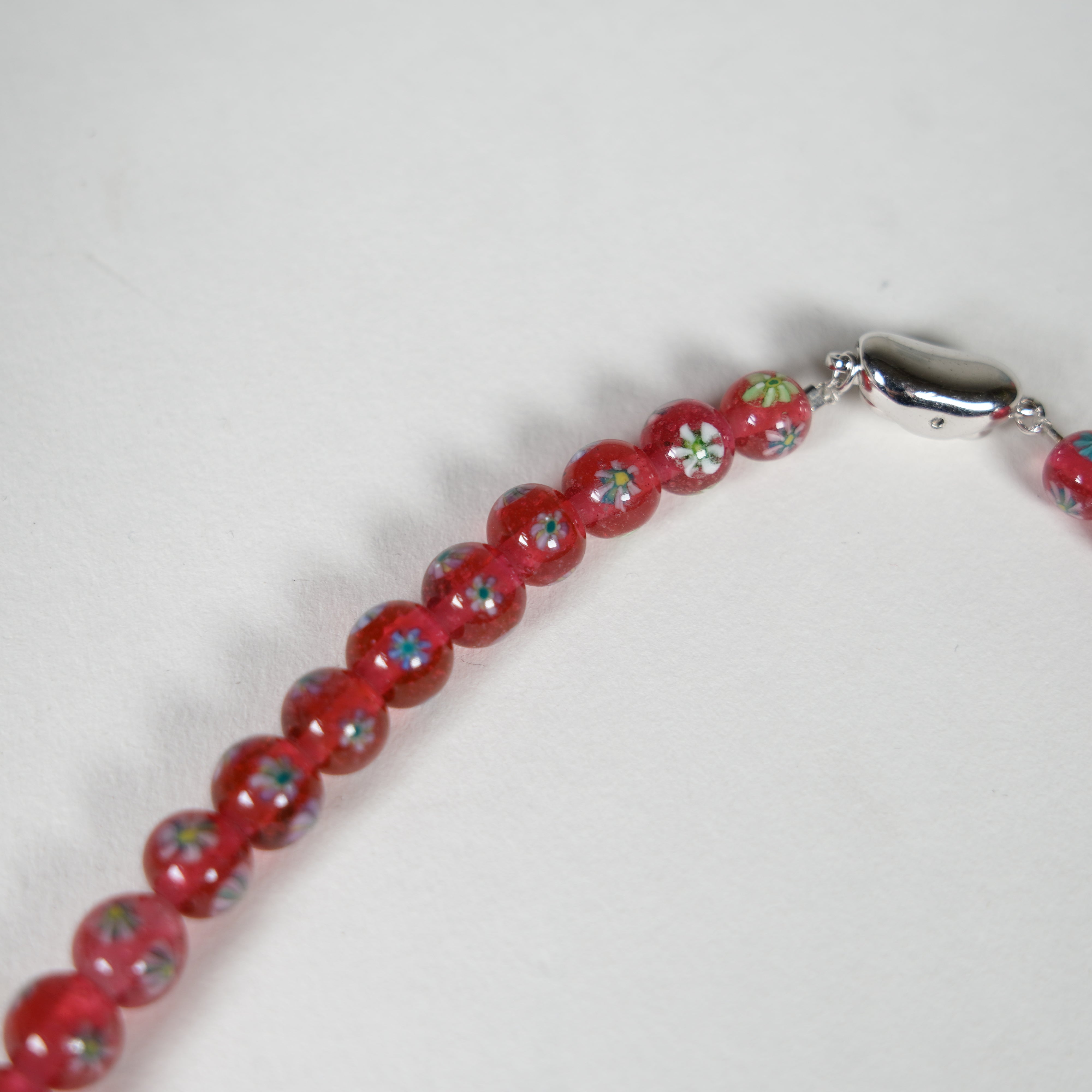
Contas de vidro pescoço / vermelho
DESCRIPTION
DETAILS
SIZE
MATERIAL
ARTISAN
KOGEI
Caution
Contas de vidro pescoço / vermelho
促销价格¥18,175.00
选择选项
Contas de vidro pescoço / vermelho
促销价格¥18,175.00
国家/地区
语言
购物车
您的购物车为空
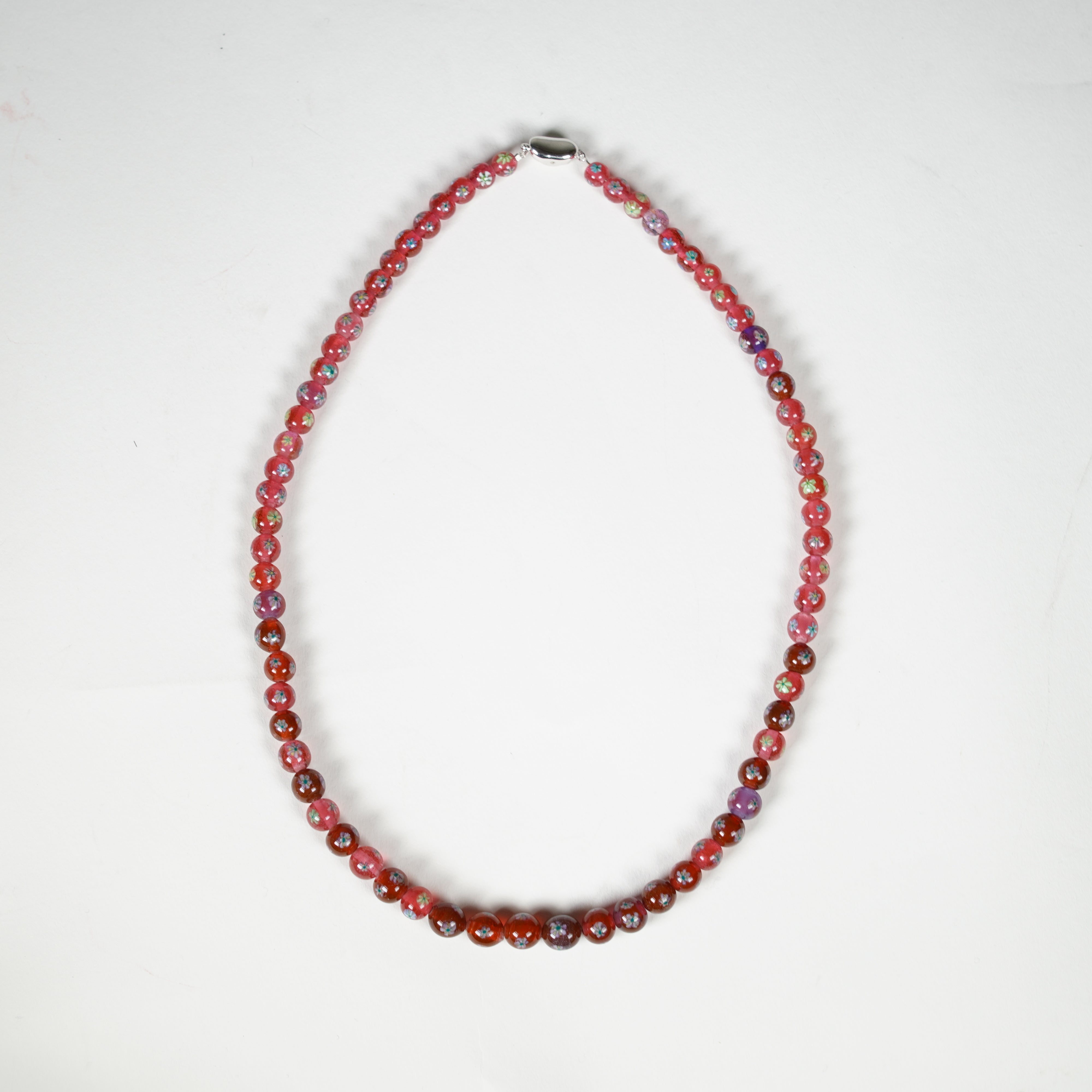
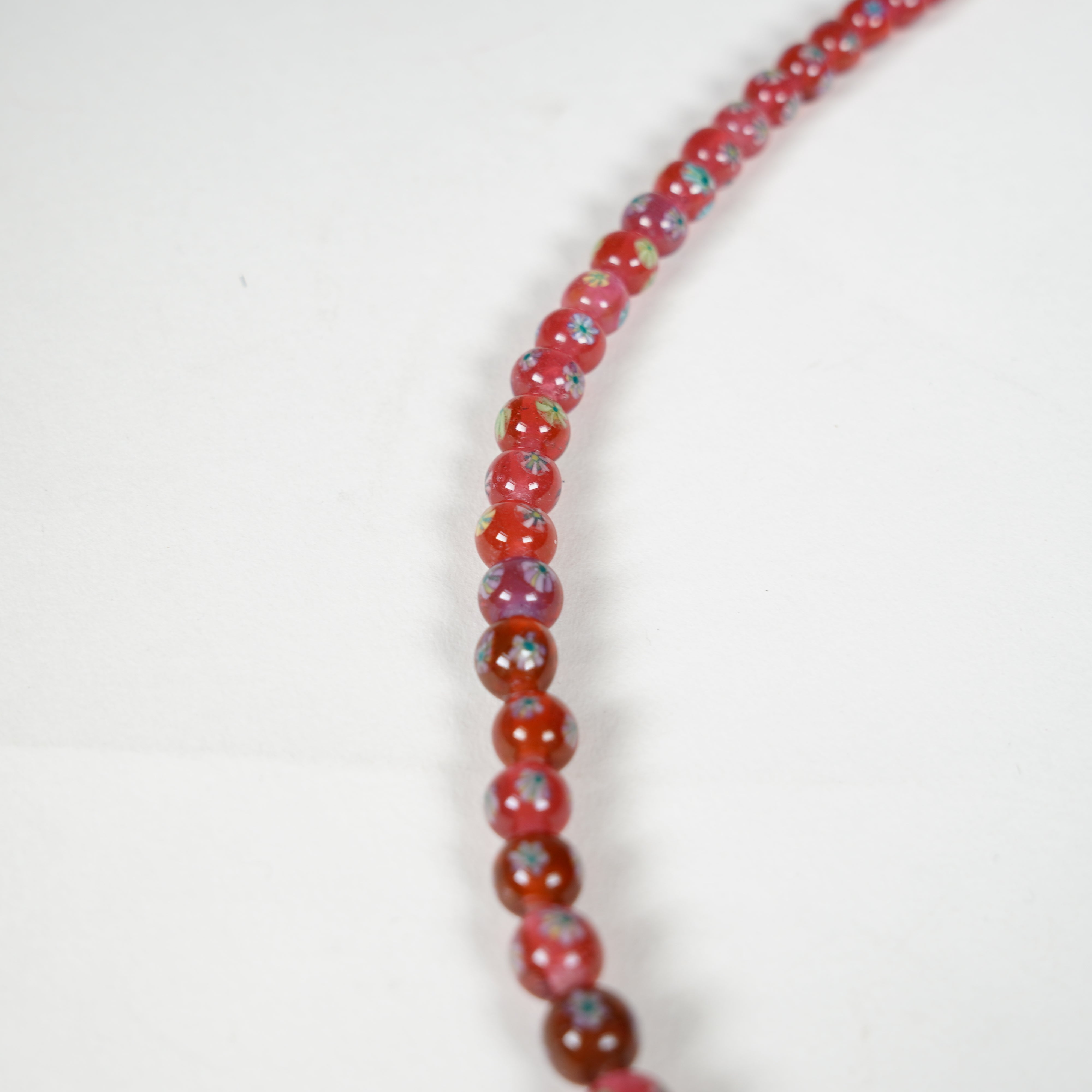
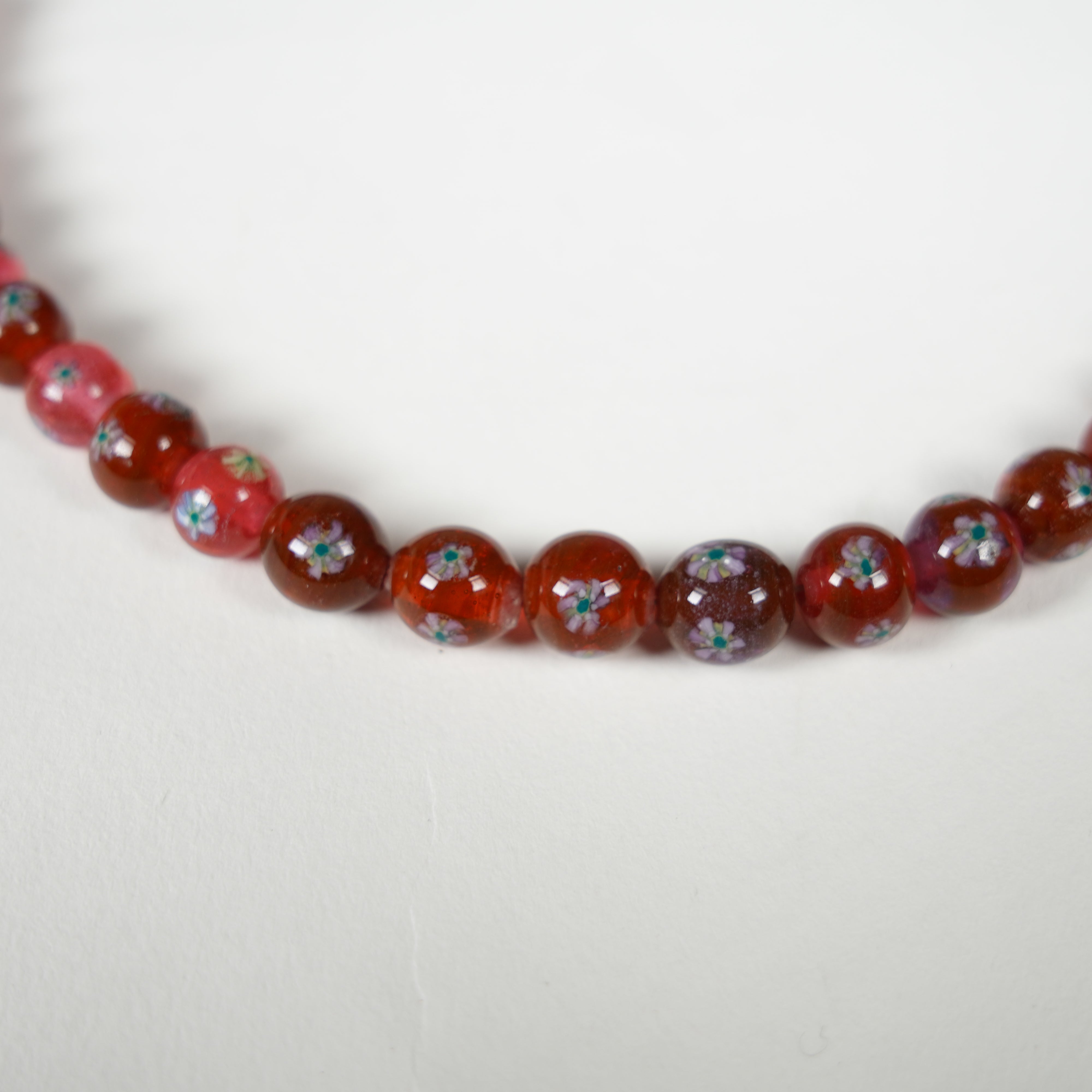
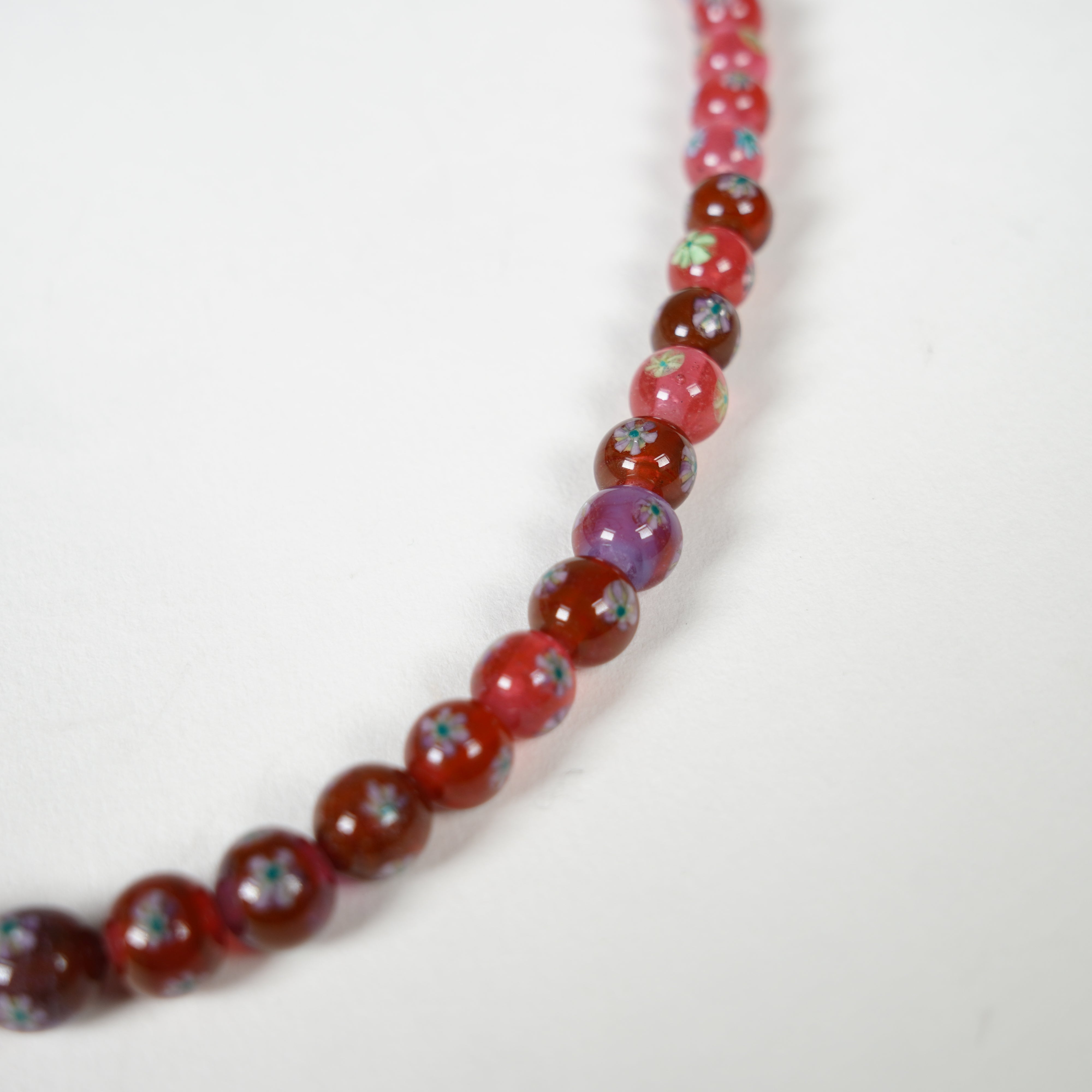
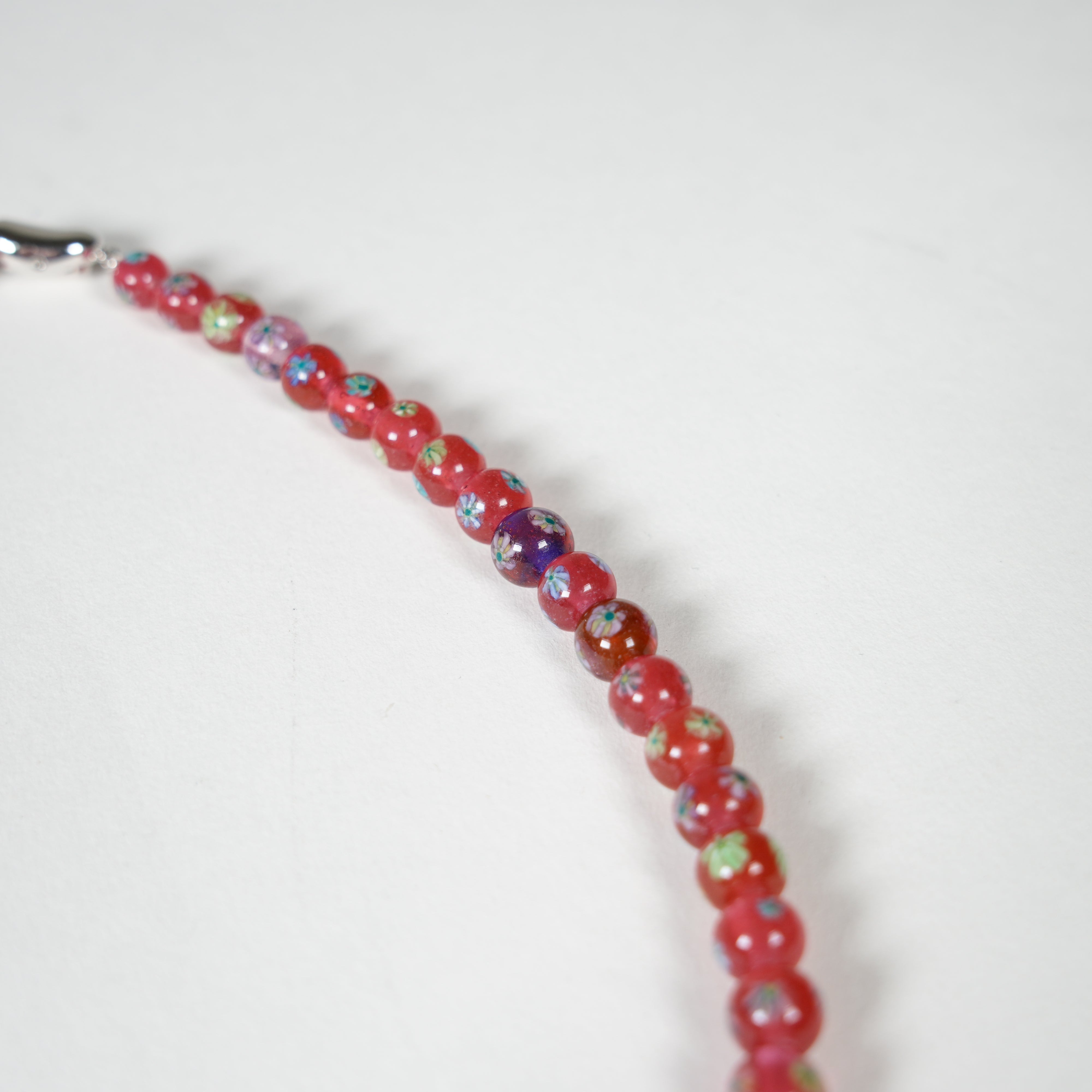
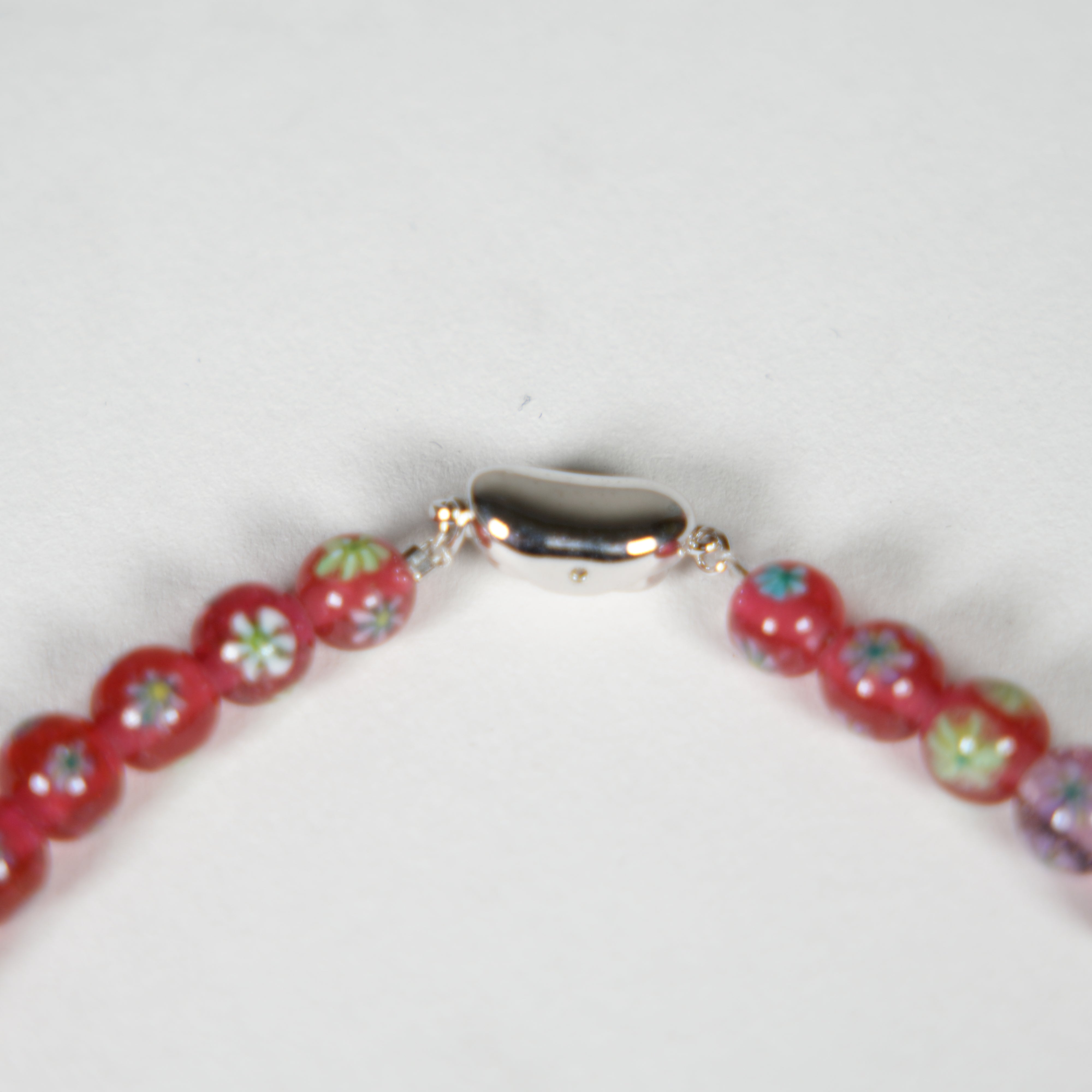
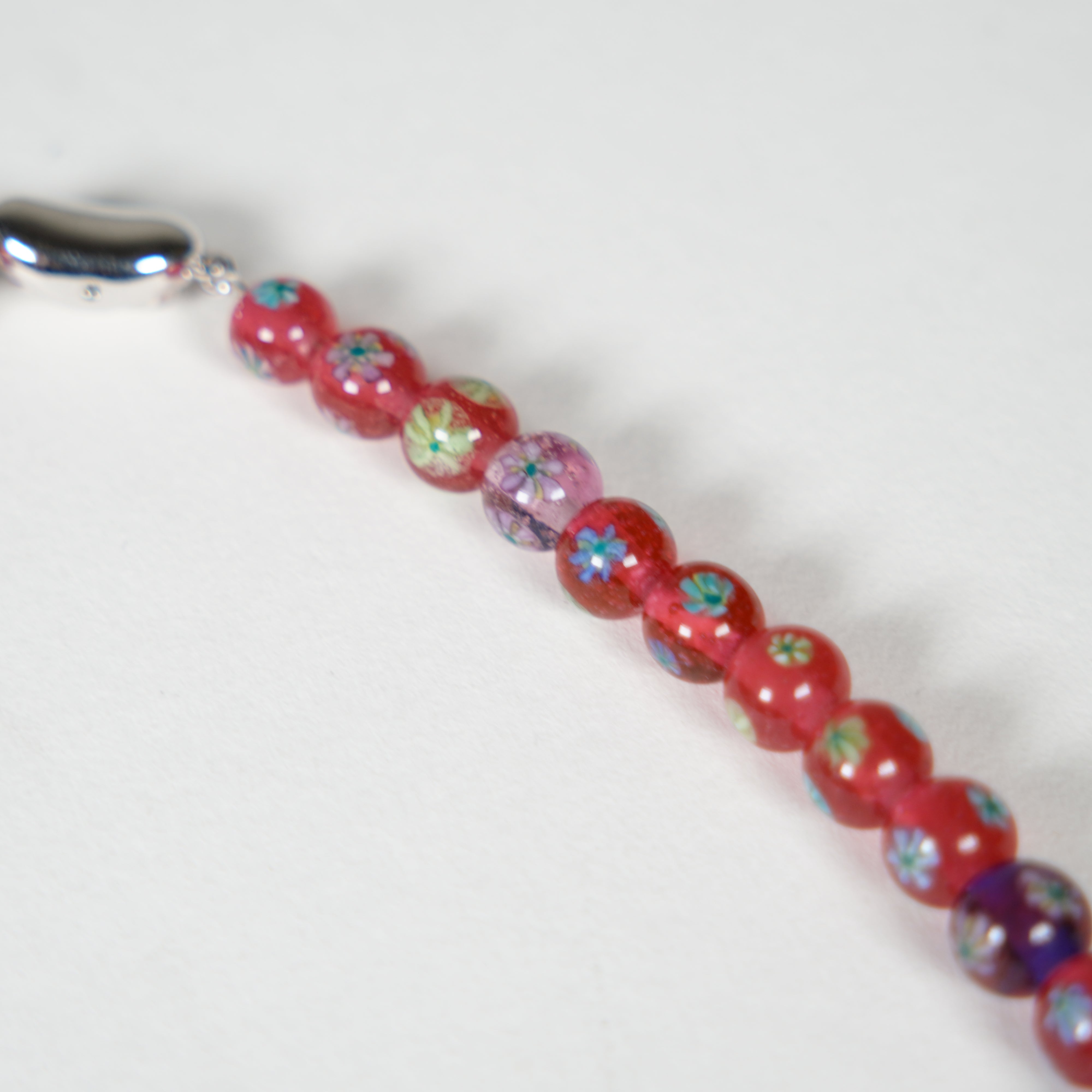
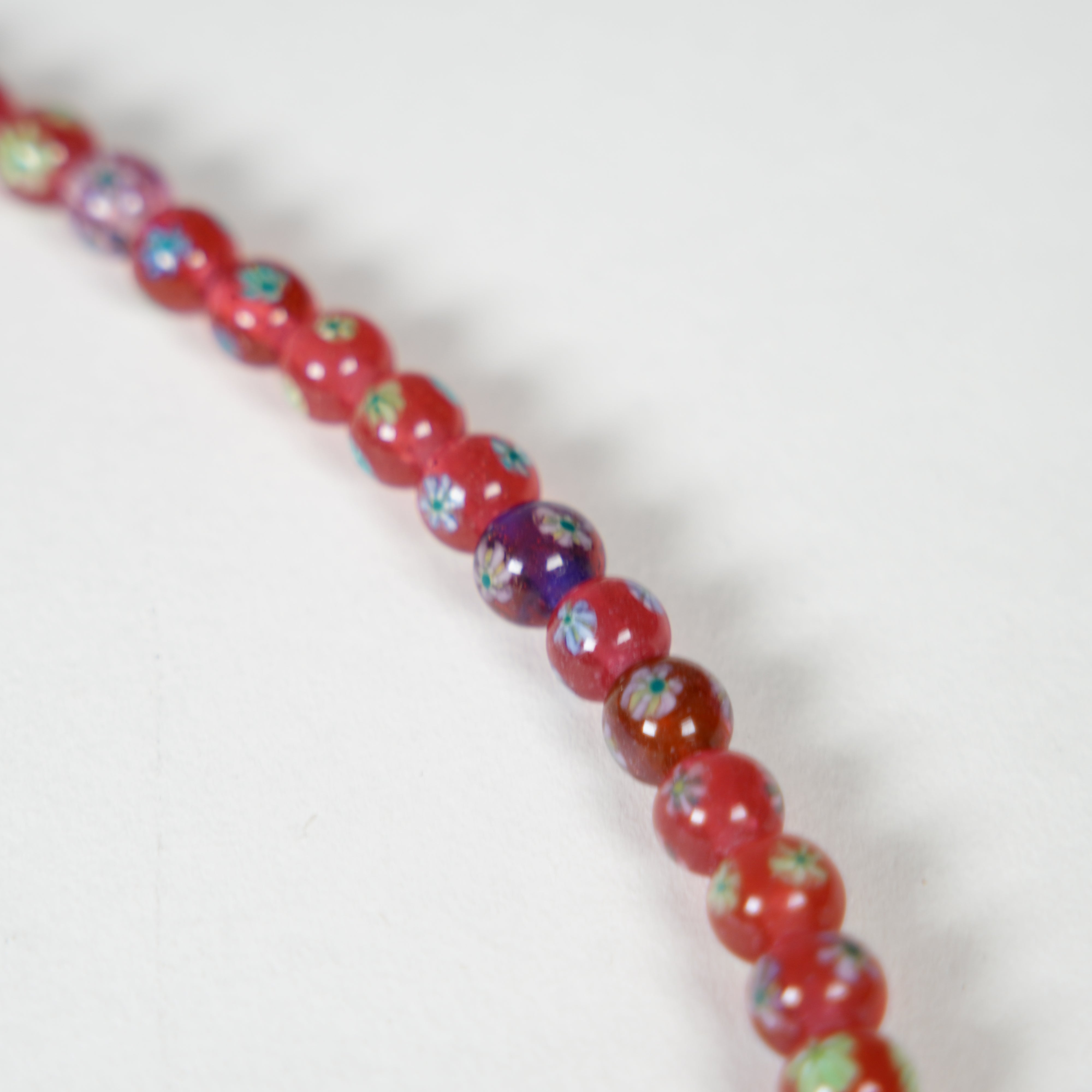
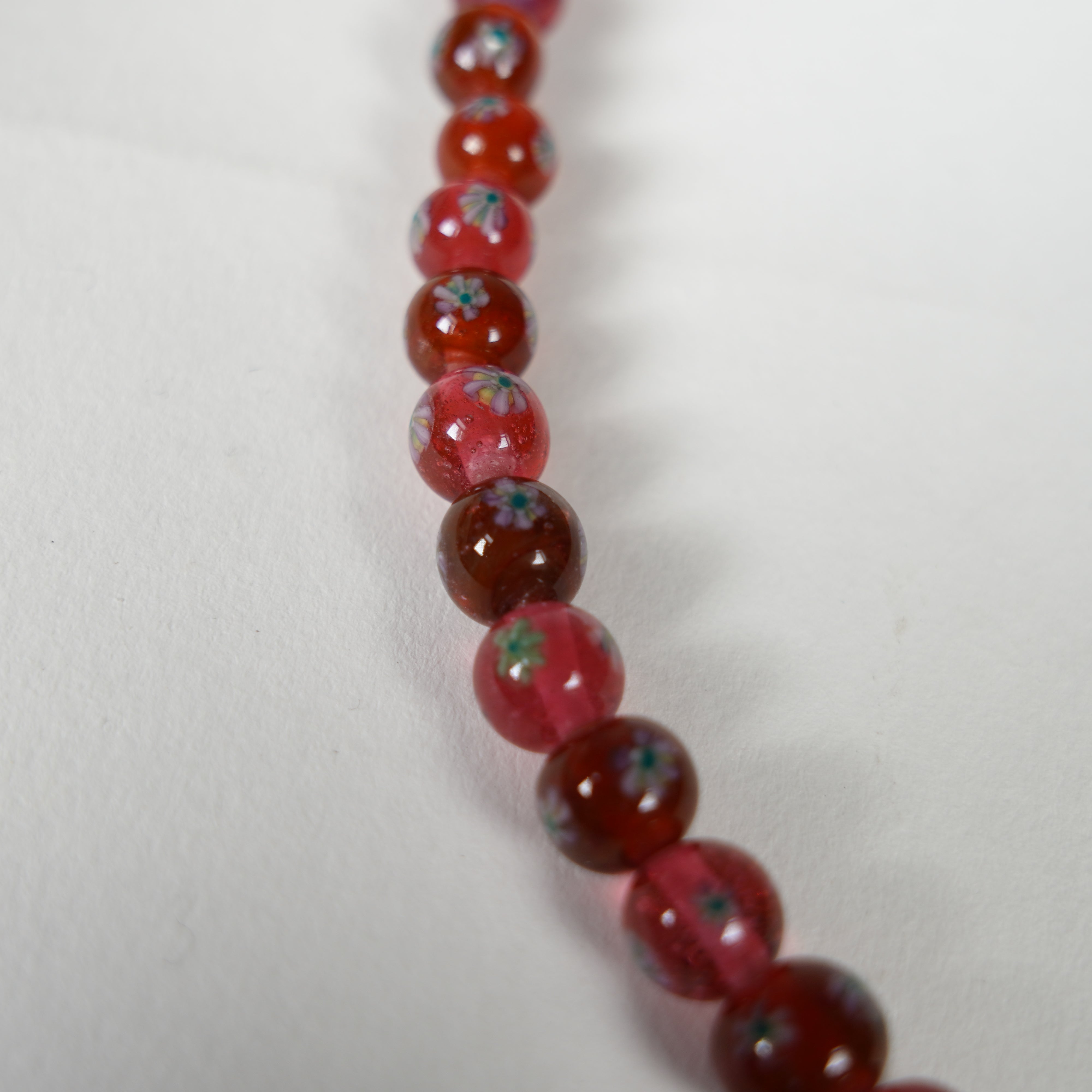
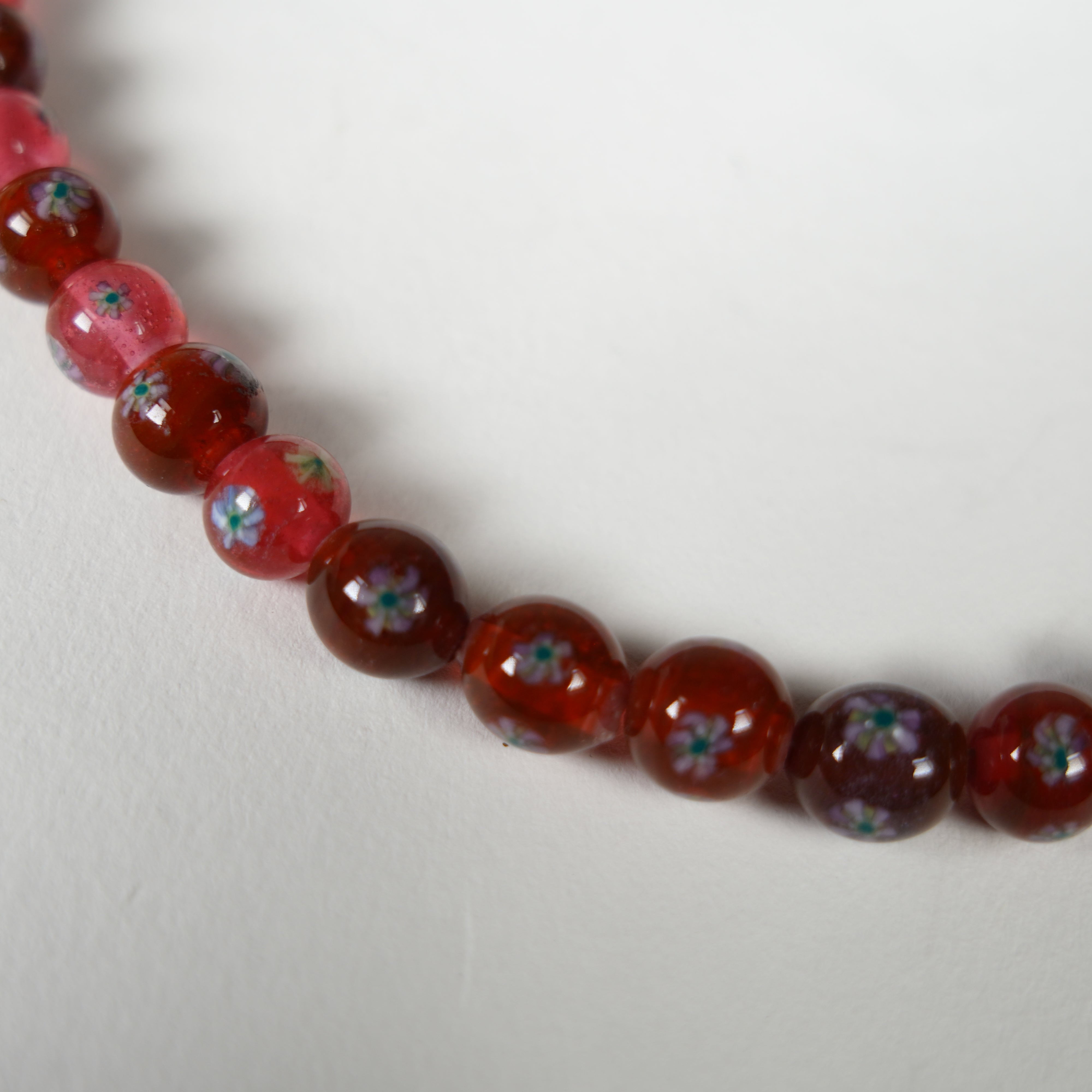
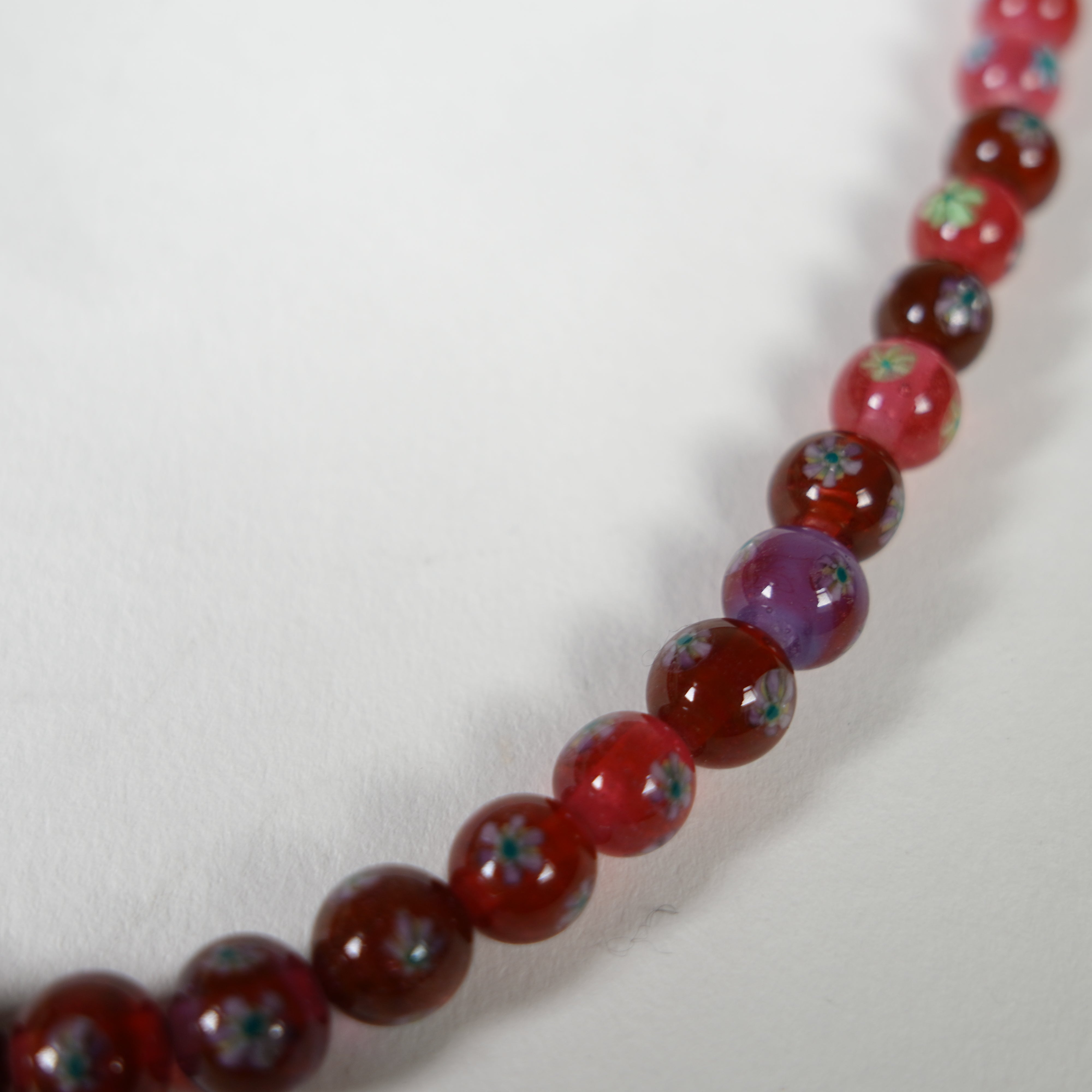
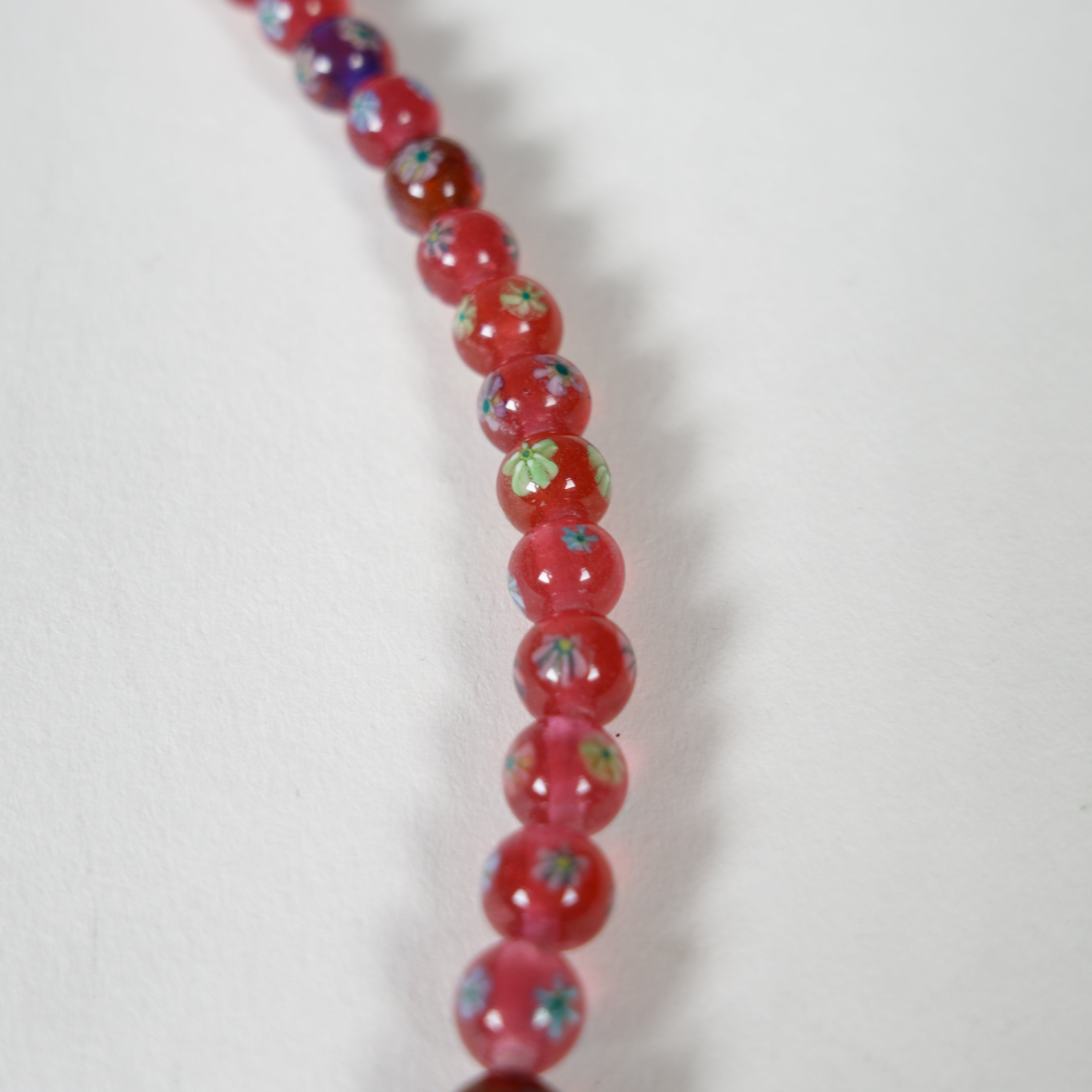
This luxurious necklace uses red dragonfly beads with gold as its centerpiece. It uses the flower-patterned dragonfly beads that are representative of the work of Tombo Dama Studio Fujimura. Crystal glass is used for the glass, and it has the unique weight and glittering beauty of crystal glass.
Charcoal is used throughout the entire process, from the production of the glass fabric to the wrapping of the colored glass around the glass core and the application of the patterned parts.
The natural temperature fluctuations brought by the charcoal fire create depth, resulting in unique, charming, and expressive dragonfly beads.
The texture is also one of the characteristic of this craft, and by increasing the ratio of pigments, the contrast of the patterns is enhanced, resulting in a thick, rich color.
SIZE
52cm
BeadsWidth:0.8cm (0.31 inch)Depth:0.8cm (0.31 inch)Height:0.8cm (0.31 inch)Weight:55g
MATERIAL
Glass
TOMBODAMA STUDIO FUJIMURA
ARTISAN STORY
Shigeki Fujimura / Fujimura Tombodama Studio
In the present day, the majority of Japanese glass beads are made using modern equipment such as gas or oil burners and lamps, utilizing pre-made glass. However, when it comes to restoring especially ancient beads, the limitations of using pre-made colored glass become apparent. Shigeki Fujimura's Tombodama Workshop adheres to the traditional methods of the Edo period, as intended by the predecessor, creating colored glass from scratch and finishing the beads entirely with charcoal fire. It is the only workshop that continues to replicate and preserve these ancient techniques. The depth of the colors achieved through this traditional method emits the cherished brilliance loved by people in ancient times.
ACHIEVEMENTS
・Creating exceptional products with a commitment to the beauty of the ancient world without ceasing to be beautiful.
・We produce all of our Japanese glass beads by hand, one by one, using a traditional method that has been in use since the Edo period.
・Please enjoy the deep coloring unique to the traditional crafting method.
TONBODAMA / JAPANESE GLASS BEADS
About 1,300 years ago / 700s / Nara Period (710–794)
Glass beads—the ancestors of today’s tombodama—reached Japan through ancient exchange with continental Asia and regions farther west. By the Nara period they were treasured as ornaments and luxury objects. Domestic glassworking expanded in the Edo period, and patterned beads came to decorate netsuke, hair ornaments and personal accessories.
In contemporary Japan, tombodama are accessible as jewelry, yet workshops devoted to reconstructing old beads or preserving Edo-period methods approach the craft almost like historical research. Because beads can be made one by one at a small flame, Japan also has a lively culture of independent studio artists.
Their greatest surprise is that the decoration is not simply painted on the surface. Patterns are built inside molten glass by layering, winding and stretching tiny glass rods. A flower only a few millimeters wide may contain an intricate internal structure that becomes visible only after the bead is formed.
Individual Differences
As each piece is individually handcrafted, slight variations in color, pattern, shape, and texture may occur. These subtle differences are a natural characteristic of handcrafted works, making each piece truly unique. We hope you will enjoy these individual variations as part of the beauty and character of Japanese craftsmanship.
Production Time
If an item is not currently in stock, it may be made to order by the artisan. As each piece is carefully handcrafted, production may take several months depending on the item and the artisan's schedule. We appreciate your patience and understanding.
选择选项