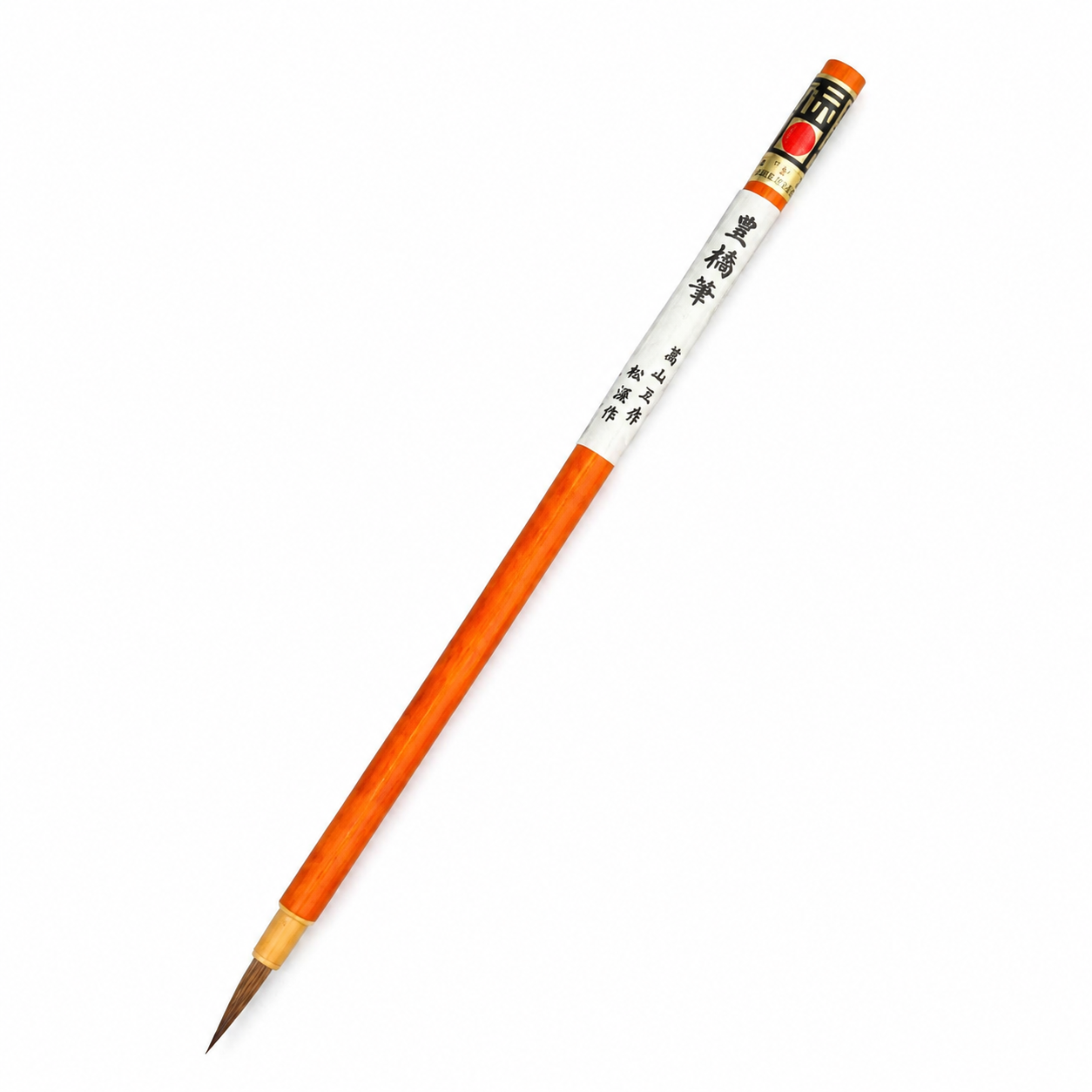
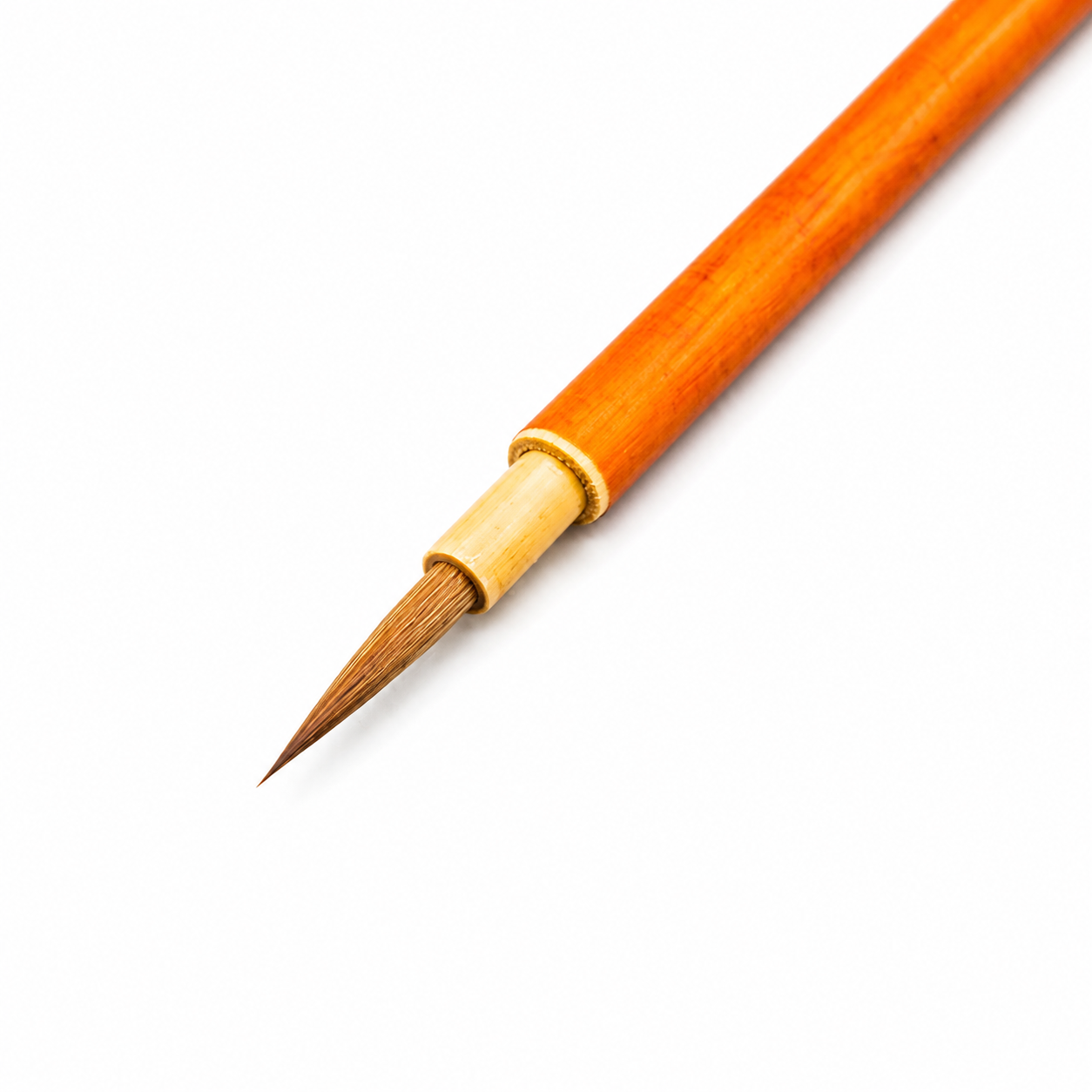


Kolinsky Sable Brush / grande
DESCRIPTION
DETAILS
SIZE
MATERIAL
ARTISAN
KOGEI
Caution
Kolinsky Sable Brush / grande
促销价格¥342.00
选择选项
Kolinsky Sable Brush / grande
促销价格¥342.00
国家/地区
语言
购物车
您的购物车为空
The traditional techniques that have been handed down for over 200 years are filled with a single brush. Toyohashi brushes are made using a special technique called "kneading mixing," which makes them easy to blend with sumi ink, and they have a smooth texture.
The brush is smooth and holds ink well. We hope you will enjoy spending time with calligraphy.
SIZE
Length:21.5cm
Weight : 5g
MATERIAL
Kolinsky hair
SUSE KOBO
"Even though I am over 80 years old, there are still things I can do to master my craft"
With the changing times, the way customers purchase and the demand itself has changed considerably. However, there are people from outside of Japan who want to visit the workshop, and I feel that there are still many things I can and must do to make Toyohashi brushes.
ARTISAN STORY
Nobuhiro Yamazaki / Suse Toyohashi Fude Studio
Nobuhiro Yamazaki opened a workshop of Suse Works in the east of Nagoya in 1958. Nobuhiro Yamazaki, a craftsman with 65 years of experience, performs all 36 processes by himself. He is dedicated to the preservation and development of the Toyohashi brush as a national craftsman, a traditional handicraft with over 200 years of history.
ACHIEVEMENTS
・Received Aichi Prefecture Commendation for Excellence in Technical Skills
・Received the Prefectural Governor's Prize
・Designated as a traditional craftsman in 1996
・He has received many other awards for their work.
TOYOHASHI FUDE / TOYOHASHI BRUSHES
About 200 years ago / 1800s / Edo Period (1603–1868)
Toyohashi brush making is traditionally linked to lower-ranking samurai of the Yoshida domain who produced brushes as supplementary work in the Edo period. The city’s position on the Tokaido helped with access to hair, bamboo and markets, allowing production of calligraphy and painting brushes to grow.
In Japan, Toyohashi brushes are respected for holding ink well and keeping a responsive point, from school brushes to professional tools. A distinctive strength is neri-maze, the careful blending of different animal hairs to engineer specific flexibility.
A brush is not necessarily made from one type of hair. Sheep, horse, deer, weasel and other fibers can be combined to balance softness, spring and ink capacity. Like blending ingredients, makers may even select different body areas or grades of the same animal to design performance.
Individual Differences
As each piece is individually handcrafted, slight variations in color, pattern, shape, and texture may occur. These subtle differences are a natural characteristic of handcrafted works, making each piece truly unique. We hope you will enjoy these individual variations as part of the beauty and character of Japanese craftsmanship.
Production Time
If an item is not currently in stock, it may be made to order by the artisan. As each piece is carefully handcrafted, production may take several months depending on the item and the artisan's schedule. We appreciate your patience and understanding.
选择选项