KYO ZOGAN / KYOTO METAL INLAY
About 1,300 years ago / 700s / Nara Period (710–794)
Metal inlay reached Japan from continental Asia by the Nara period, and examples in gold and silver survive on swords and Buddhist objects in the Shosoin. In Kyoto, metalworking lineages such as the Umetada and Shoami schools refined the art during the early Edo period, expanding from sword fittings to braziers and smoking implements. After the Meiji sword ban, export markets became crucial.
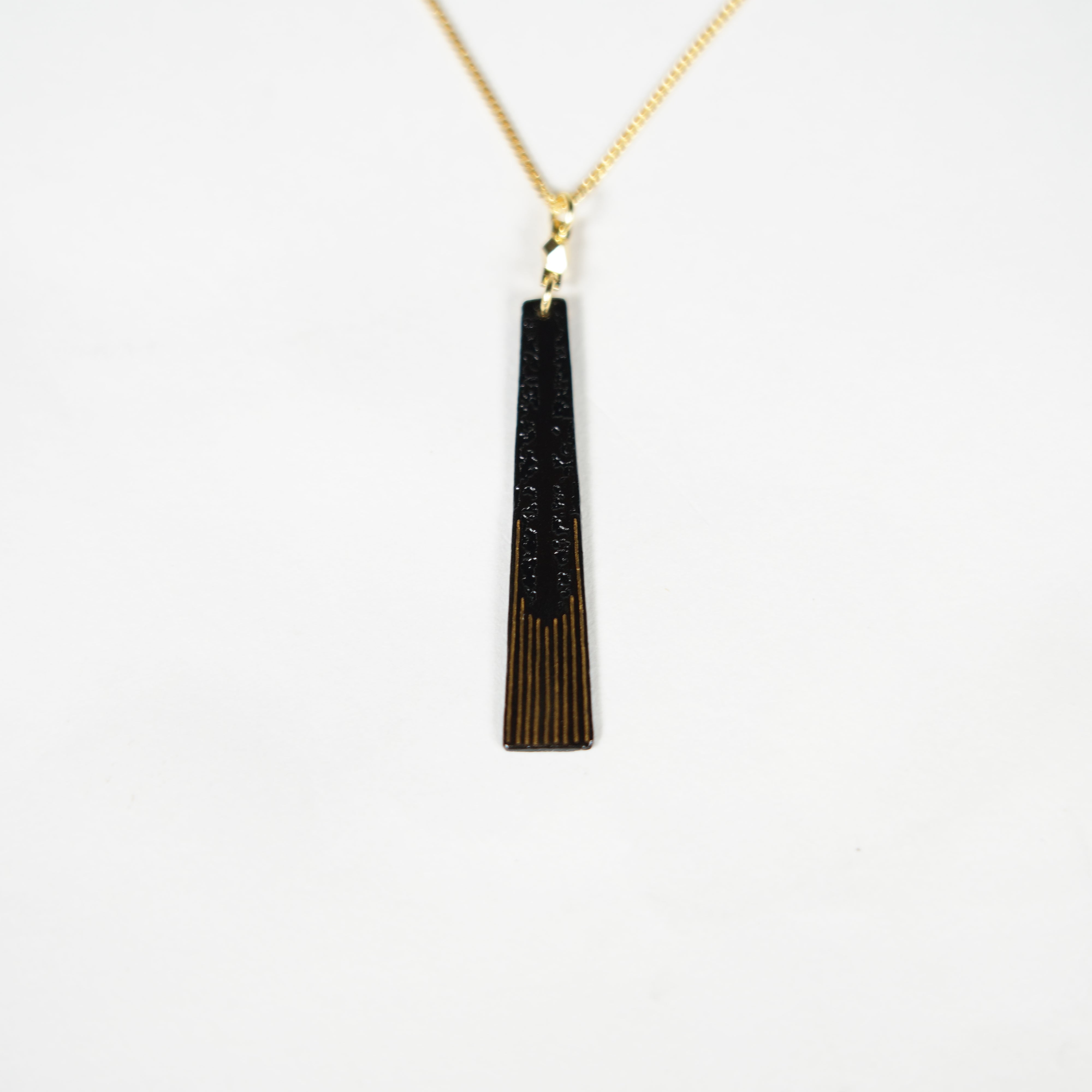
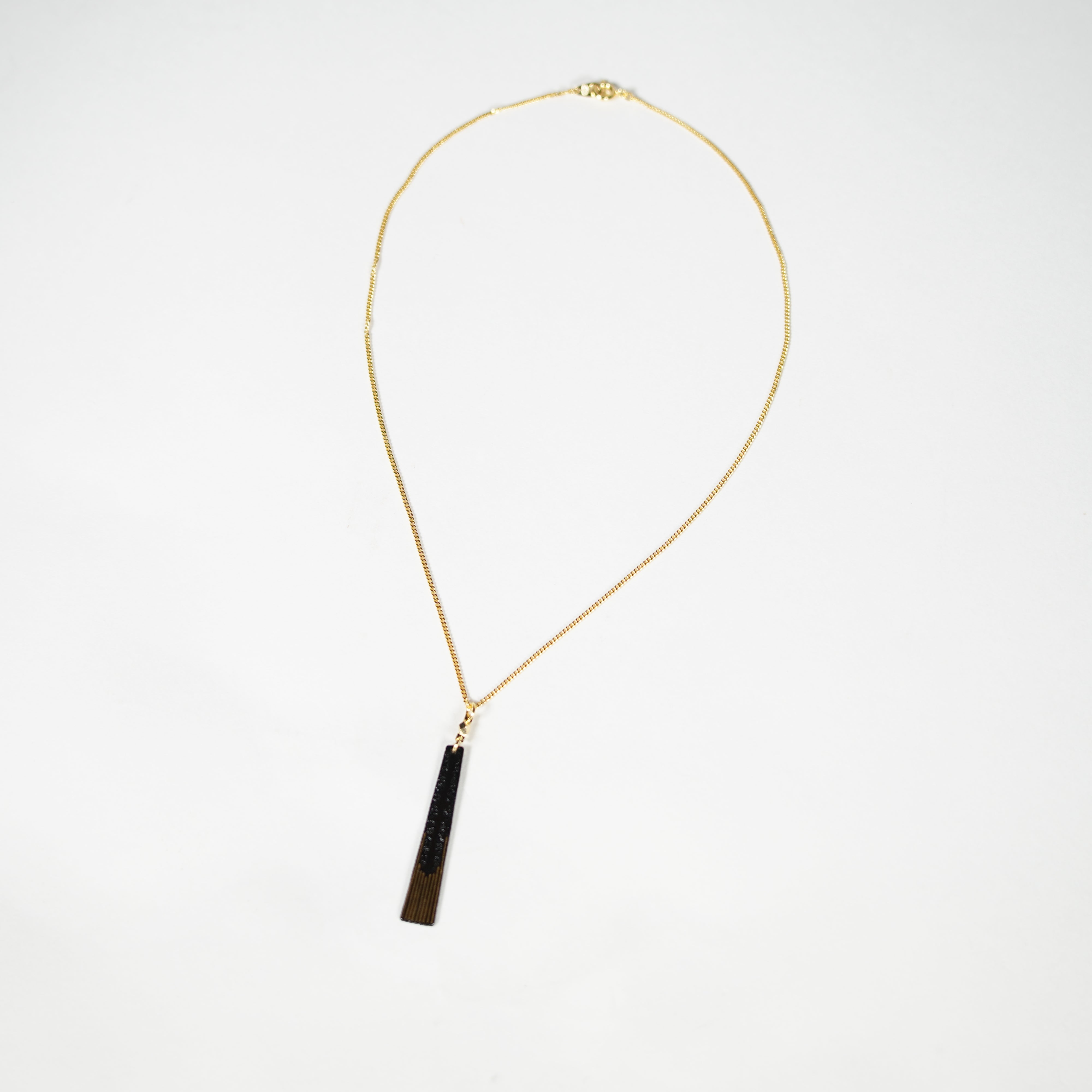
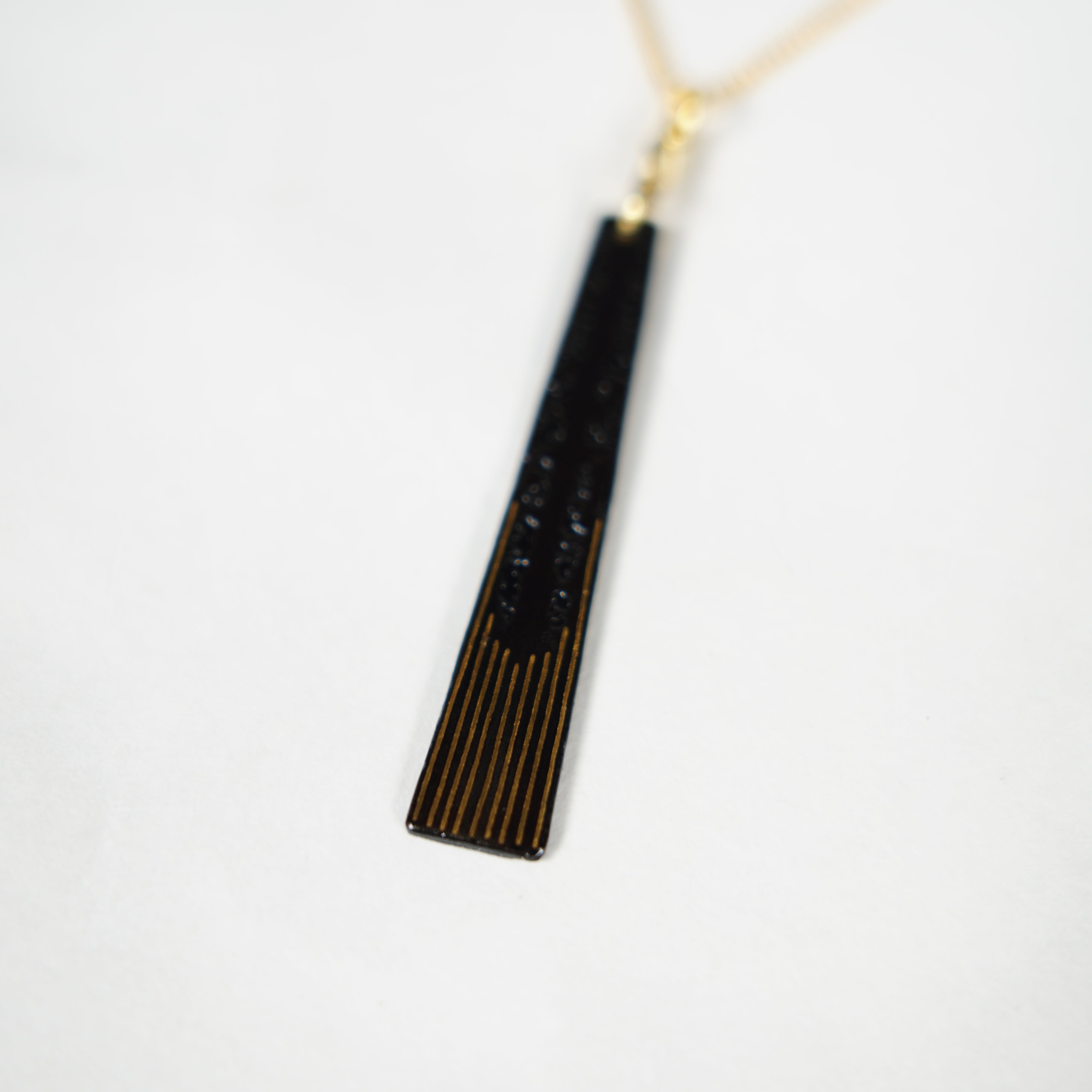
Today Kyoto inlay is recognized for elegant gold and silver patterns set against darkened iron. Rather than sword fittings, contemporary pieces are often small personal or interior objects—pendants, tie pins and framed works.
Its signature nunome-zogan technique is unexpectedly mechanical. The iron surface is cut with countless microscopic crosshatched grooves, then thin gold or silver is hammered into those ridges. No adhesive is needed: the precious metal is literally locked into the base through friction and deformation.