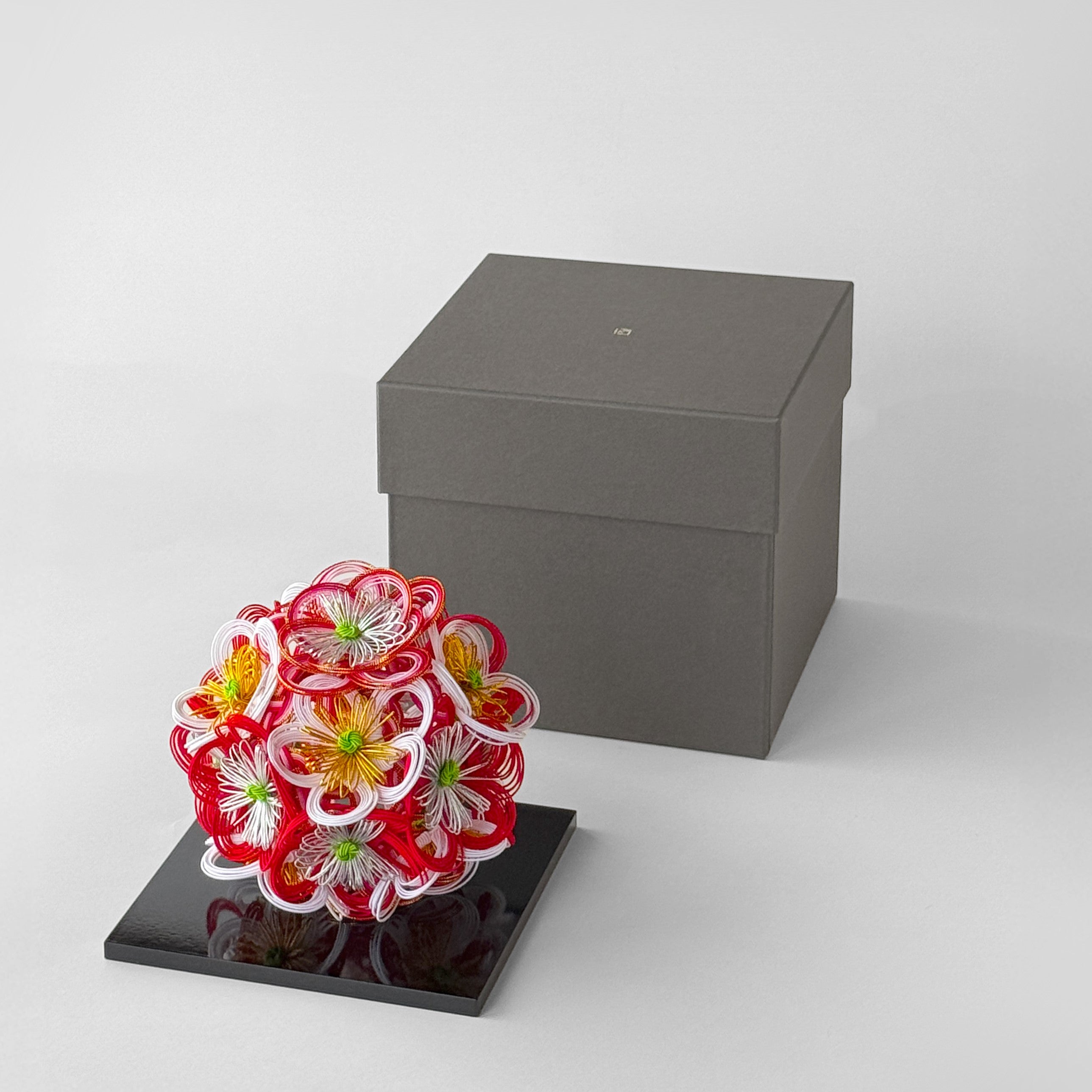
KAGA MIZUHIKI / KAGA DECORATIVE KNOTS
About 100 years ago / 1910s / Taisho Period (1912–1926)
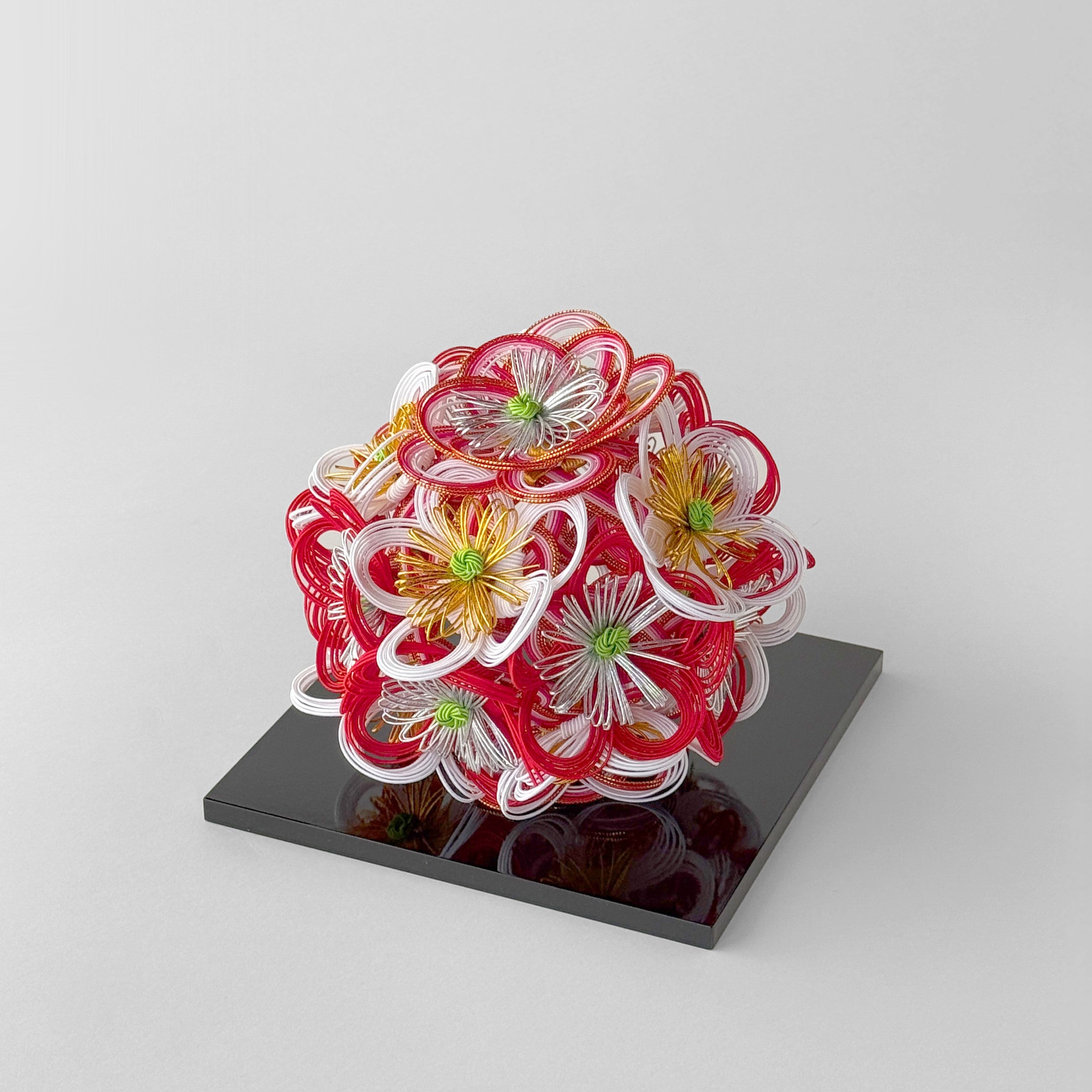
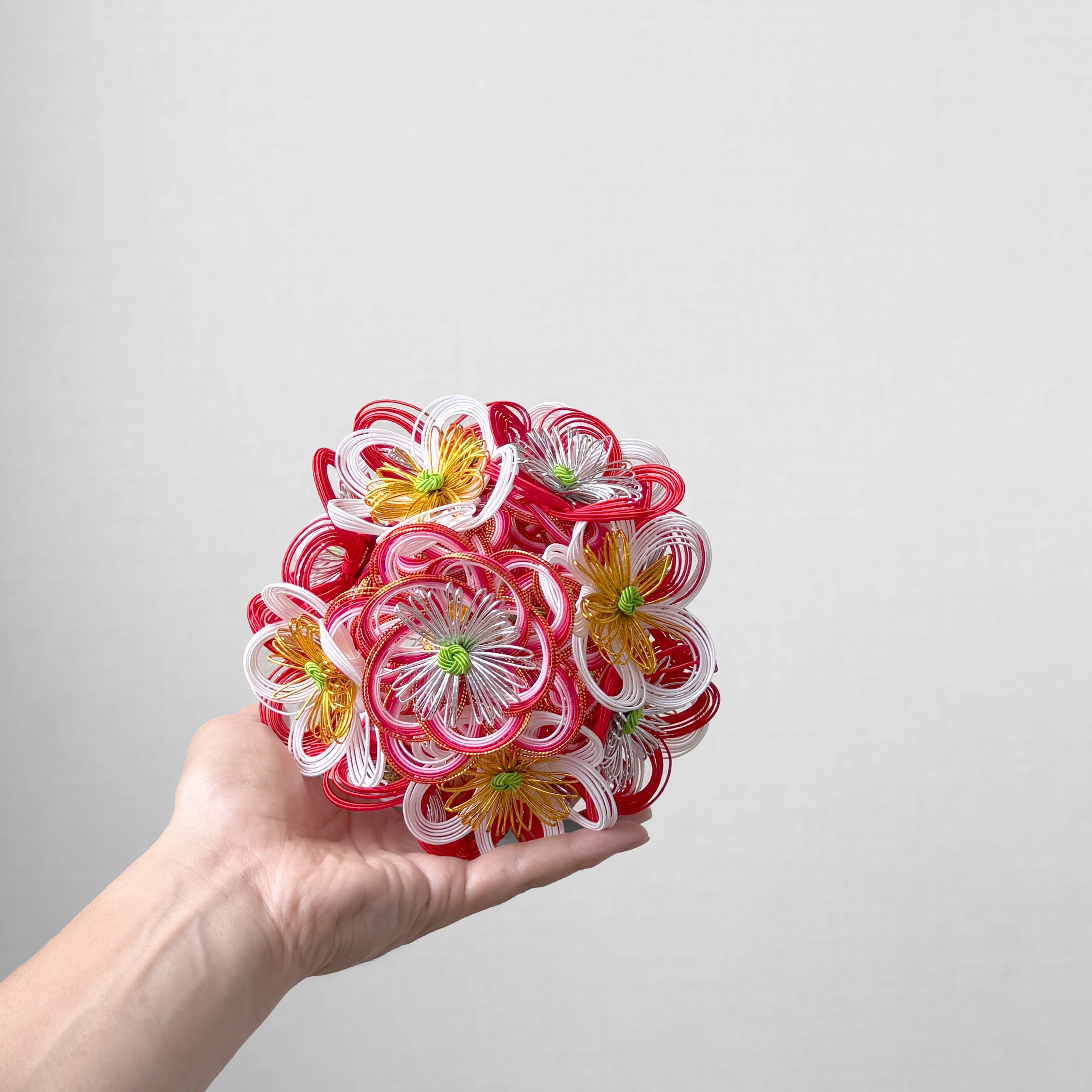
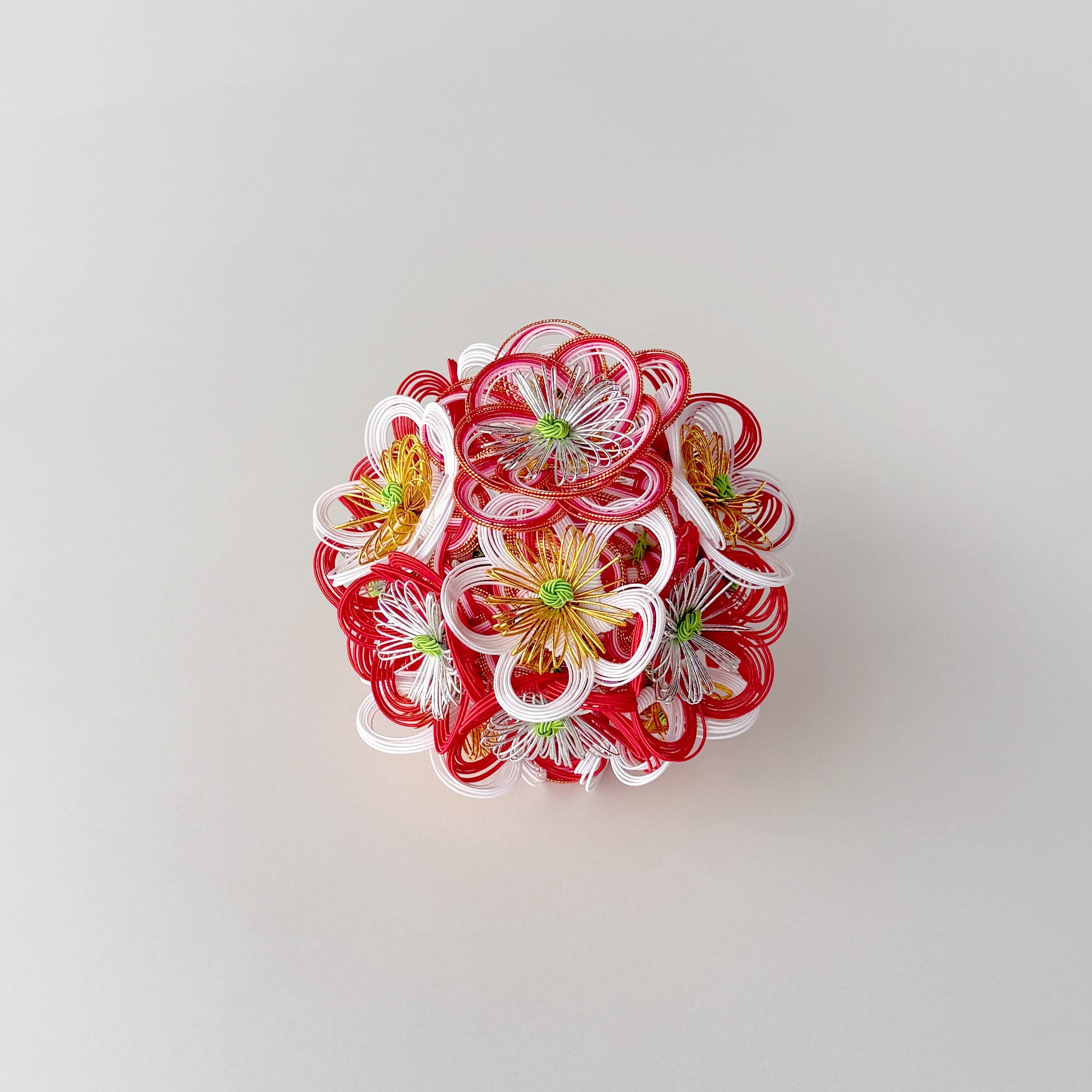
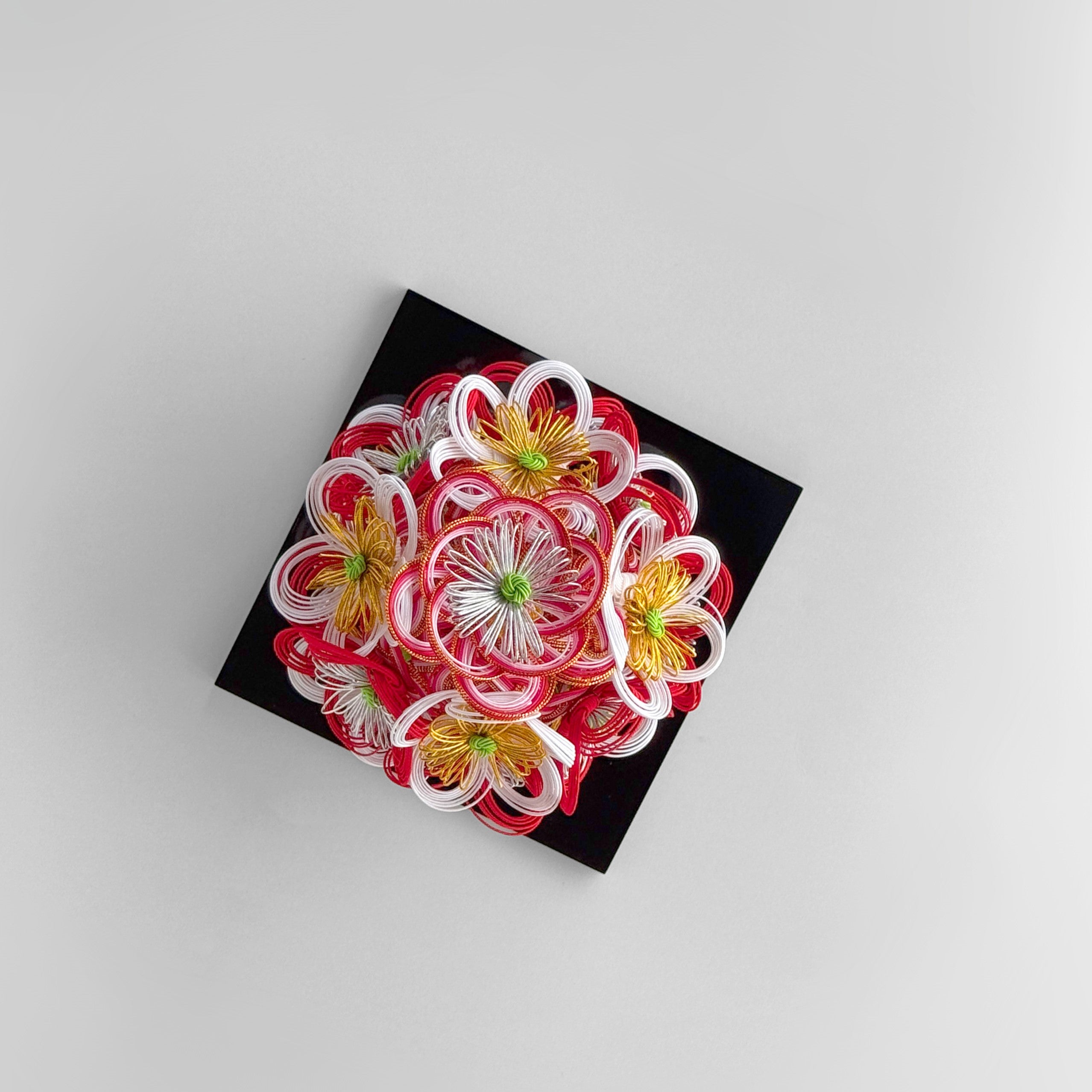
Kaga mizuhiki developed in the Taisho period when Kanazawa craftsman Sokichi Tsuda devised a distinctive way of shaping paper cords into three-dimensional forms without sharply folding them. Mizuhiki, previously used mainly as flat ceremonial ties, became cranes, turtles, pine, bamboo and plum motifs associated with Kanazawa’s gift culture.
In Japan, mizuhiki acts almost like a visual language for life events—marriage, birth, celebration and mourning each have appropriate colors and knots. Kaga mizuhiki is especially sculptural and today appears not only on gift envelopes but in New Year decorations, jewelry and artworks.
Its remarkable quality is that delicate paper cords can be transformed into birds or flowers with very little cutting. To international eyes it can resemble miniature paper sculpture. A material once subordinate to wrapping was elevated into an independent form of three-dimensional craft.