UNDUHAKKAKU
促销价格¥16,284.00
选择选项


UNDUHAKKAKU
促销价格¥16,284.00
国家/地区
语言
购物车
您的购物车为空
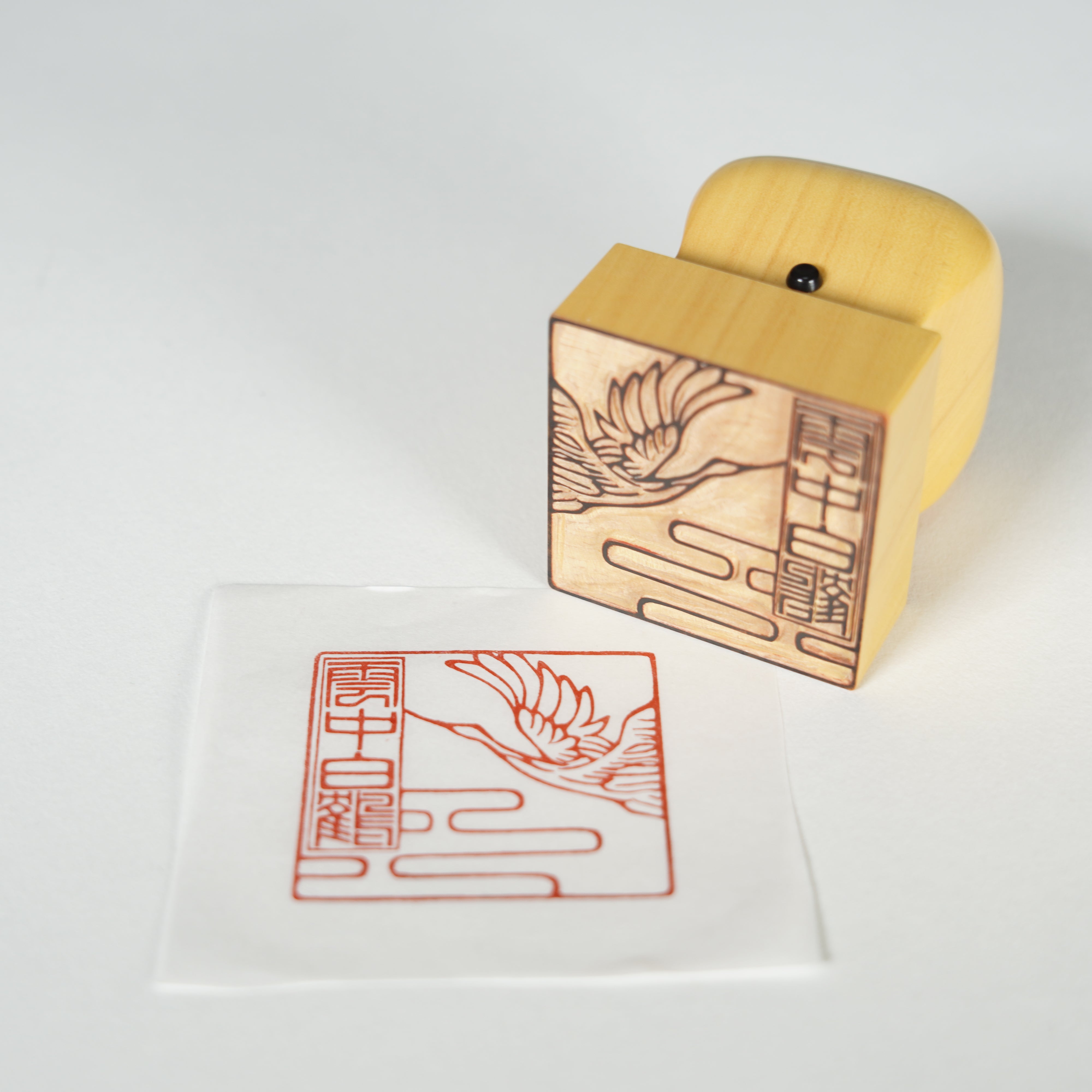
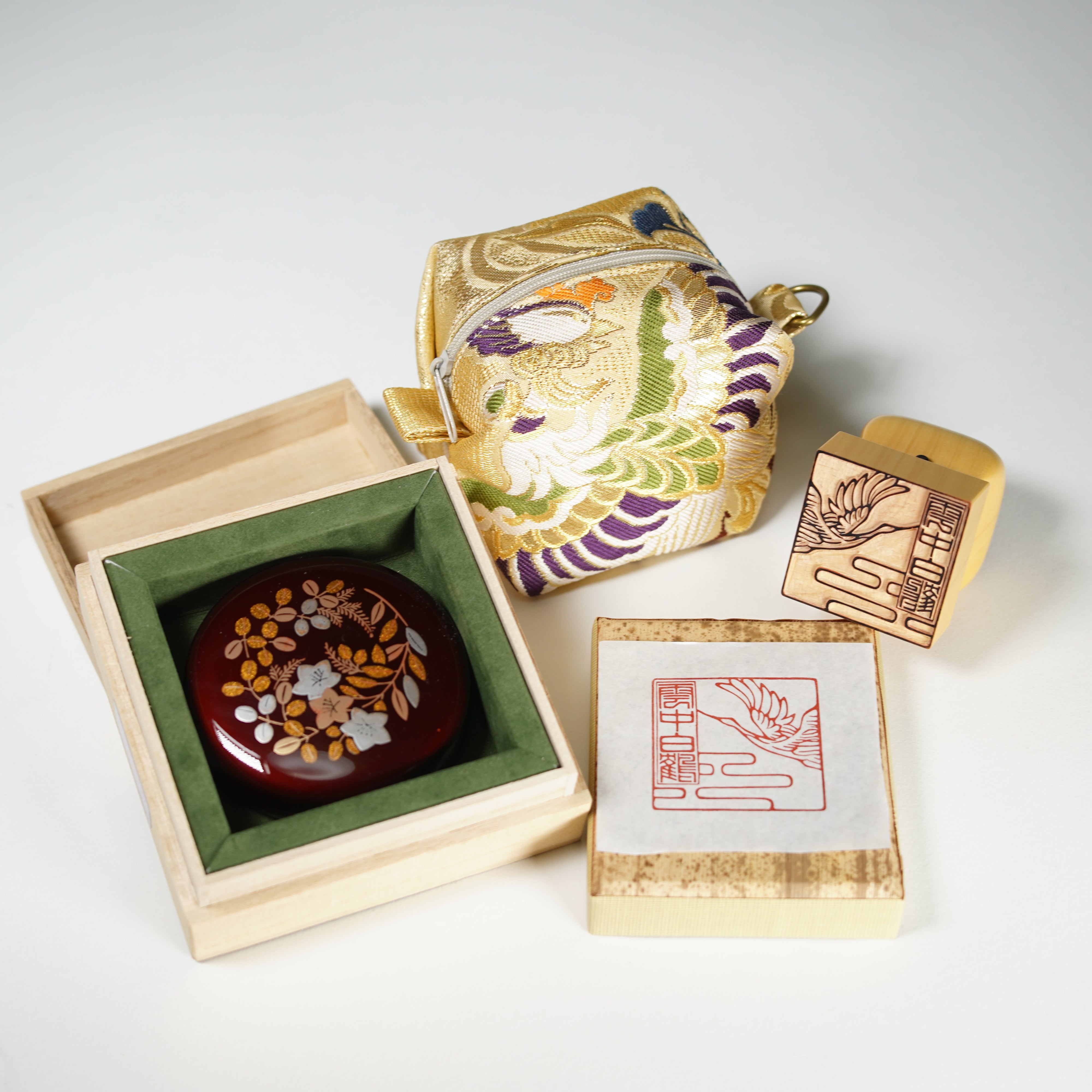
This seal is handmade by a skilled craftsman.
The term "Unchuhakkaku'' refers to a white crane in a white cloud, and is a metaphor for a noble, honorable person with a pure heart who transcends the mundane world.
The Kyoto seal is characterized by its elaborate workmanship and high level of artistry. Kyoto seal craftsmen carefully carve each seal one by one while following traditional techniques. Therefore, each Kyoto seal is a unique work of art.
The Kyoto Seal is also characterized by its high durability. It is made using high-quality stone, so it will maintain its beauty even after hundreds of years. For this reason, Kyoto seals are often cherished as family heirlooms that are passed down from generation to generation.
【Click here to order a custom-made seal that can be personalized with your favorite characters.】
SIZE
Width:4.5cm
Depth:4.5cm
Height:6cm
Weight:100g
MATERIAL
Wood
KAWAMASA INBOU
"Creating the Kyoto Seal 1000 years ahead"
Kyoto seals are loved by many people because of their history and tradition, as well as their elaborate craftsmanship and high artistry.
As the pinnacle of seals, we continue to produce Kyoto seal every day so that it continues to shine in people's lives.
ARTISAN STORY
Yoshihiko Kawai / Kawamasa Inbo
Yoshihiko Kawai is the third generation owner of Kawamasa Inbo, a stamp shop in Kyoto with a history of over 70 years.
The couple creates reliable, high-quality seals using a variety of carefully selected materials such as wood and bamboo.
We hope that everyone will be able to find a "one-of-a-kind stamp in the world.
ACHIEVEMENTS
・Manufacturing Meister certified by the Ministry of Health, Labor and Welfare
・Kyoto Prefecture Certified Kyoto Craftsman (Kyoto Seal)
・Kyoto City Certified Future Master Craftsman (Kyo Seal)
KYO INSHO / KYOTO SEALS
About 1,200 years ago / 800s / Heian Period (794–1185)
Seal culture reached Japan from China and was first used for official administration. After the establishment of Heian-kyo, seal making in Kyoto grew alongside the documentary culture of the court, temples and aristocracy, later spreading to merchants and townspeople. Characters are carved in reverse into materials such as wood, horn and other hard substances.
For generations, personal seals played an important role in Japanese contracts, banking and government procedures. Digitalization has reduced some everyday use, but registered seals and artists’ seals remain significant. Kyoto seals are especially valued for the beauty of lettering and the precision of carving.
The maker cannot directly see the final image while carving. Every character must be cut as a mirror image and appears correctly only when stamped onto paper. Different calligraphic styles can completely transform the same kanji, turning a tiny seal face into a meeting point of calligraphy, graphic design and sculpture.
Individual Differences
As each piece is individually handcrafted, slight variations in color, pattern, shape, and texture may occur. These subtle differences are a natural characteristic of handcrafted works, making each piece truly unique. We hope you will enjoy these individual variations as part of the beauty and character of Japanese craftsmanship.
Production Time
If an item is not currently in stock, it may be made to order by the artisan. As each piece is carefully handcrafted, production may take several months depending on the item and the artisan's schedule. We appreciate your patience and understanding.
选择选项