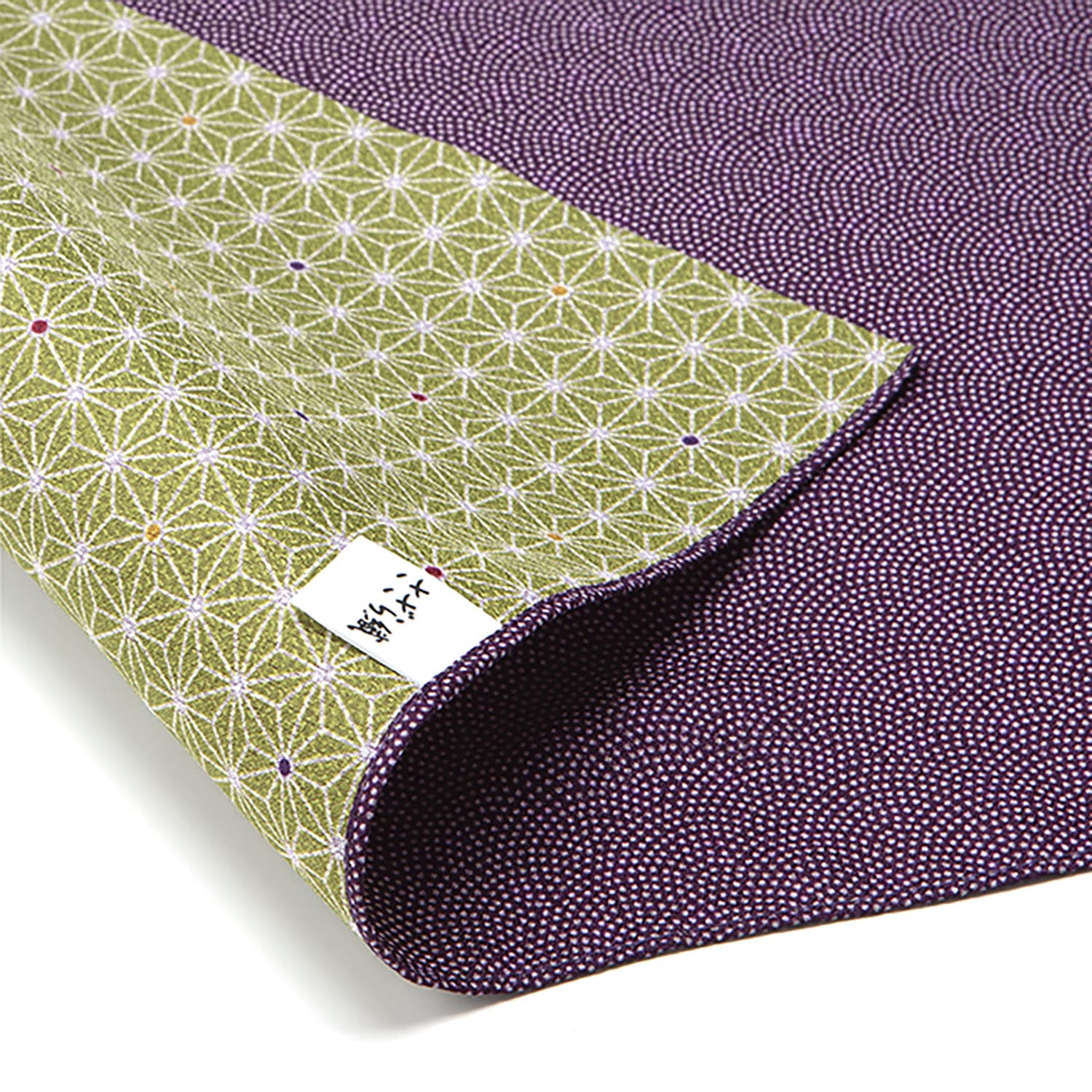
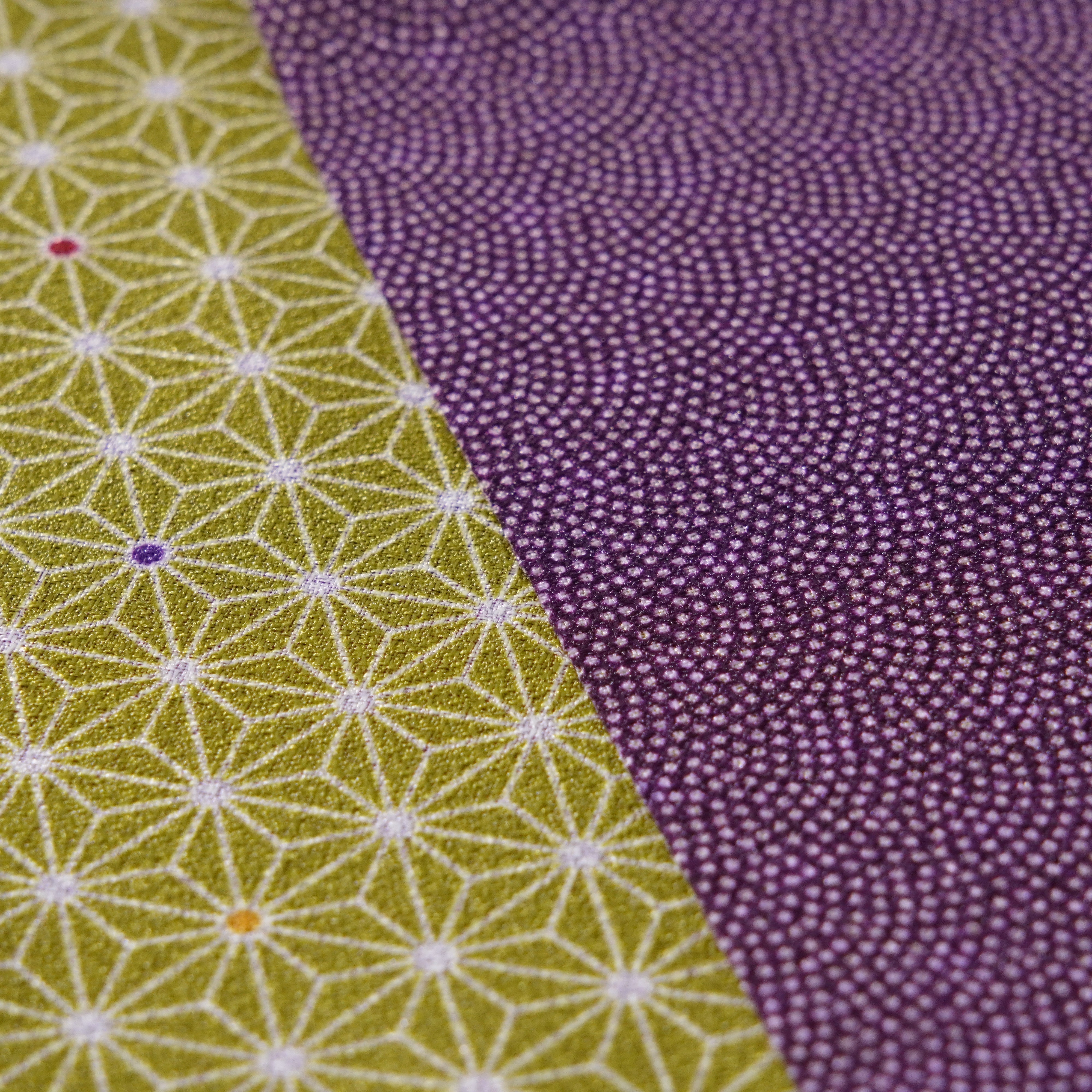
FUROSHIKI / JAPANESE WRAPPING CLOTH
About 1,300 years ago / 700s / Nara Period (710–794)
Wrapping objects in cloth is ancient in Japan, and wrapping textiles survive in the Shosoin. The word furoshiki is associated with the Muromachi period, when cloths were used around bathhouses, while Edo-period merchants turned them into universal carriers for goods.
In Japan, a square furoshiki can become a bag, parcel or bottle carrier simply through different knots. Plastic bags reduced everyday use in the twentieth century, but reusable cloth wrapping has returned strongly through interest in sustainable packaging and gift culture.
A furoshiki has no fixed final form. The same square adapts instantly to a box, bottle or irregular object. In contemporary design language, it is an exceptionally elegant reconfigurable product: packaging and bag are created only when the user ties them.