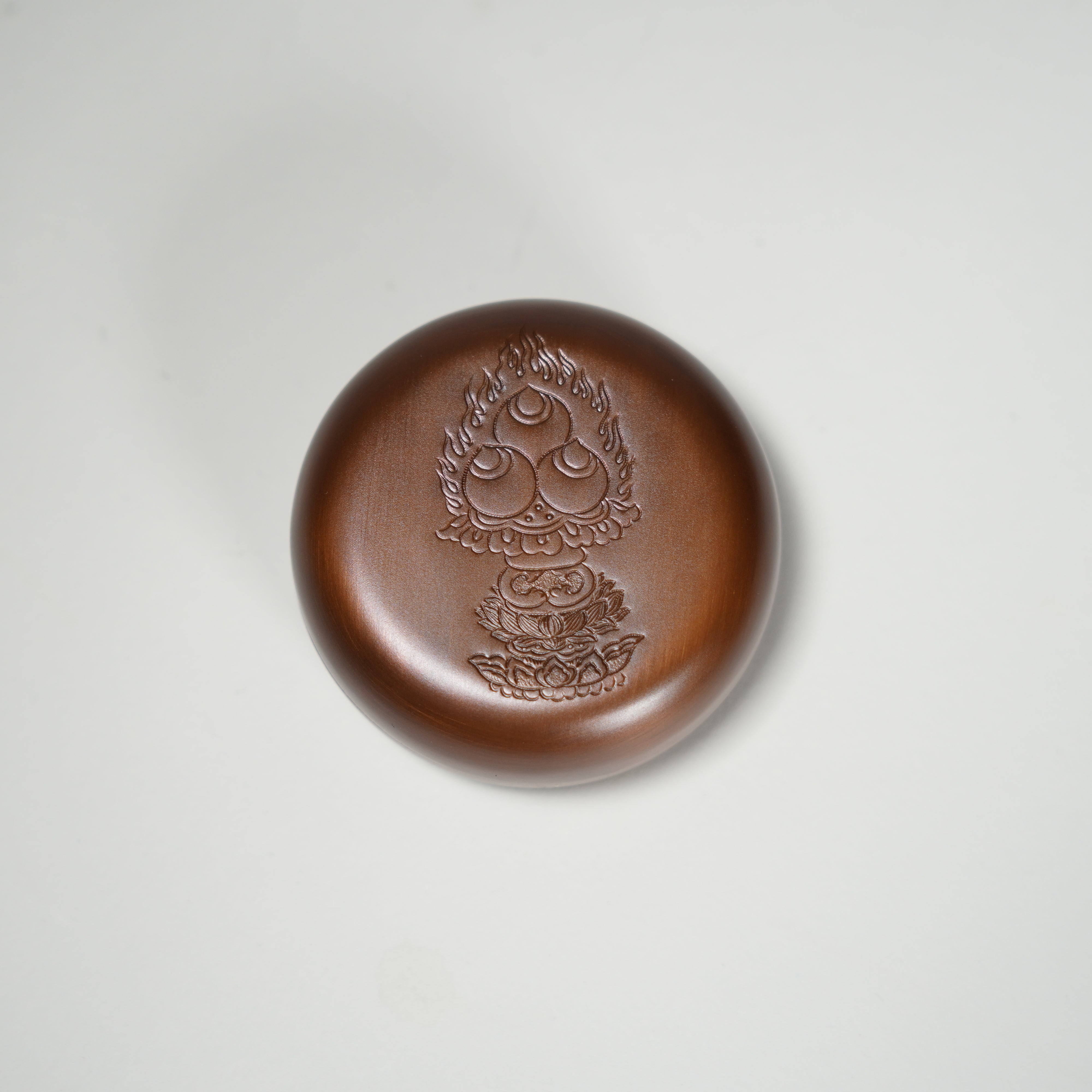
Güzel metal küçük kutu
DESCRIPTION
DETAILS
SIZE
MATERIAL
ARTISAN
KOGEI
Caution
Güzel metal küçük kutu
İndirimli fiyat¥1,845.00
Seçenekleri belirleyin
Güzel metal küçük kutu
İndirimli fiyat¥1,845.00
Ülke
Dil
Sepet
Sepetiniz boş
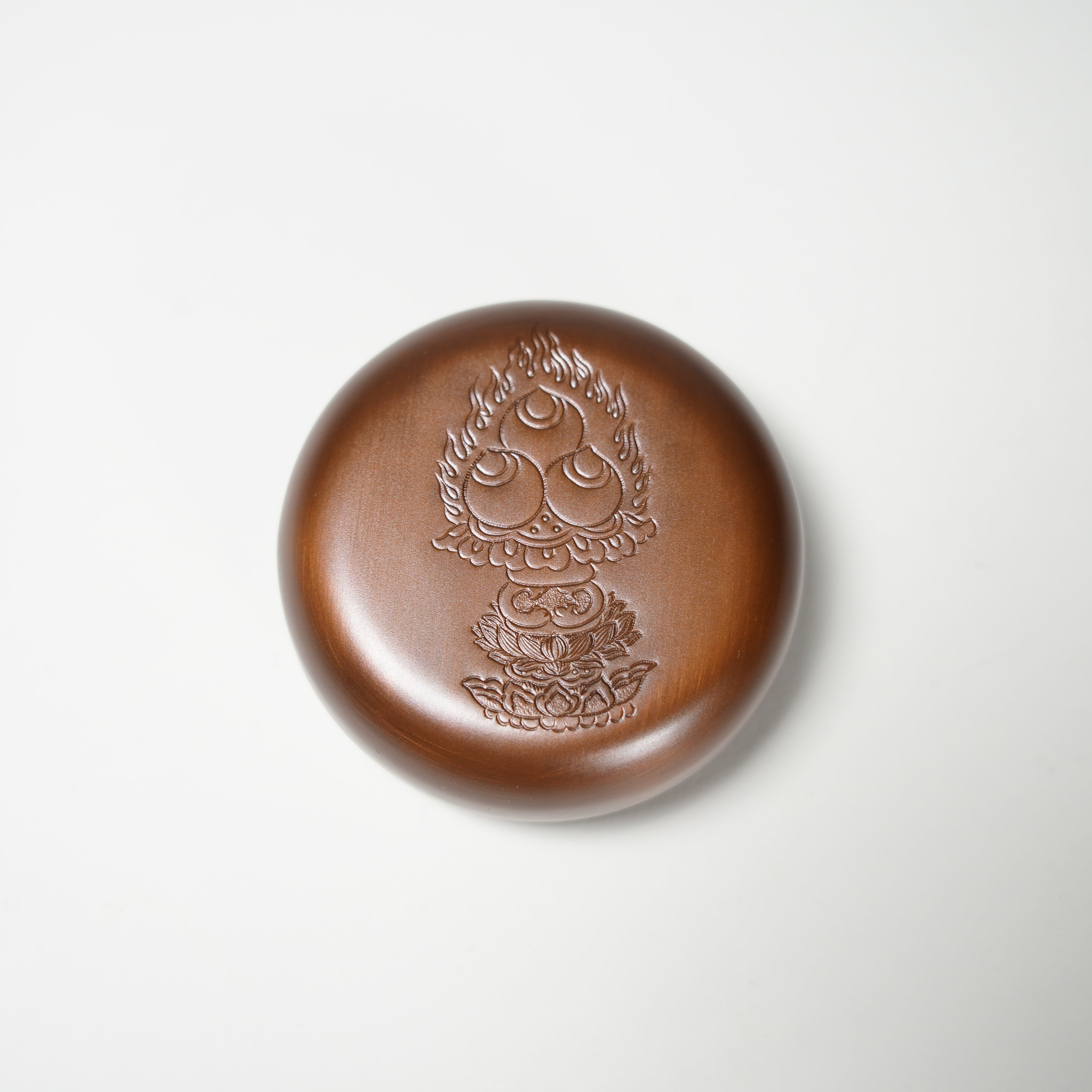
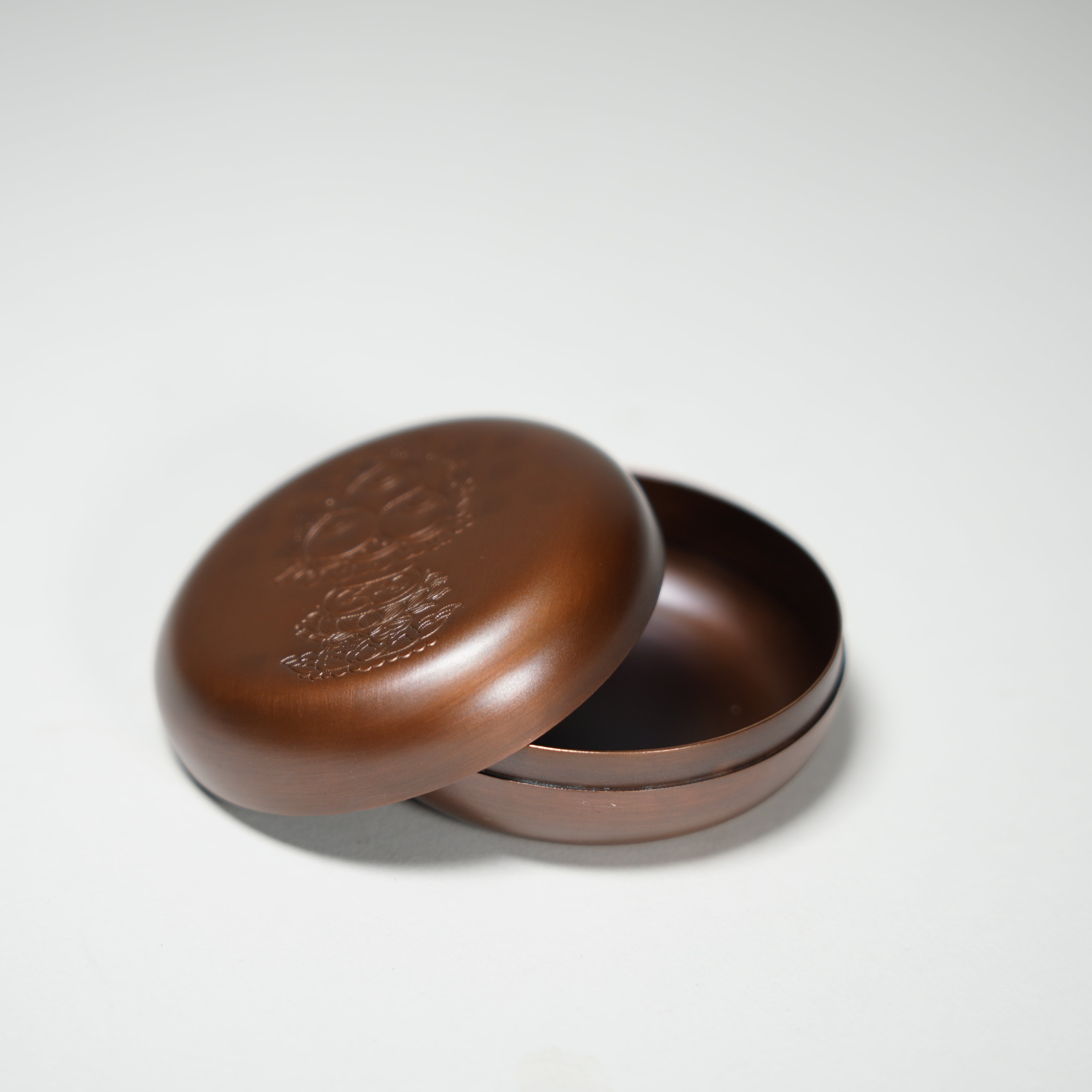
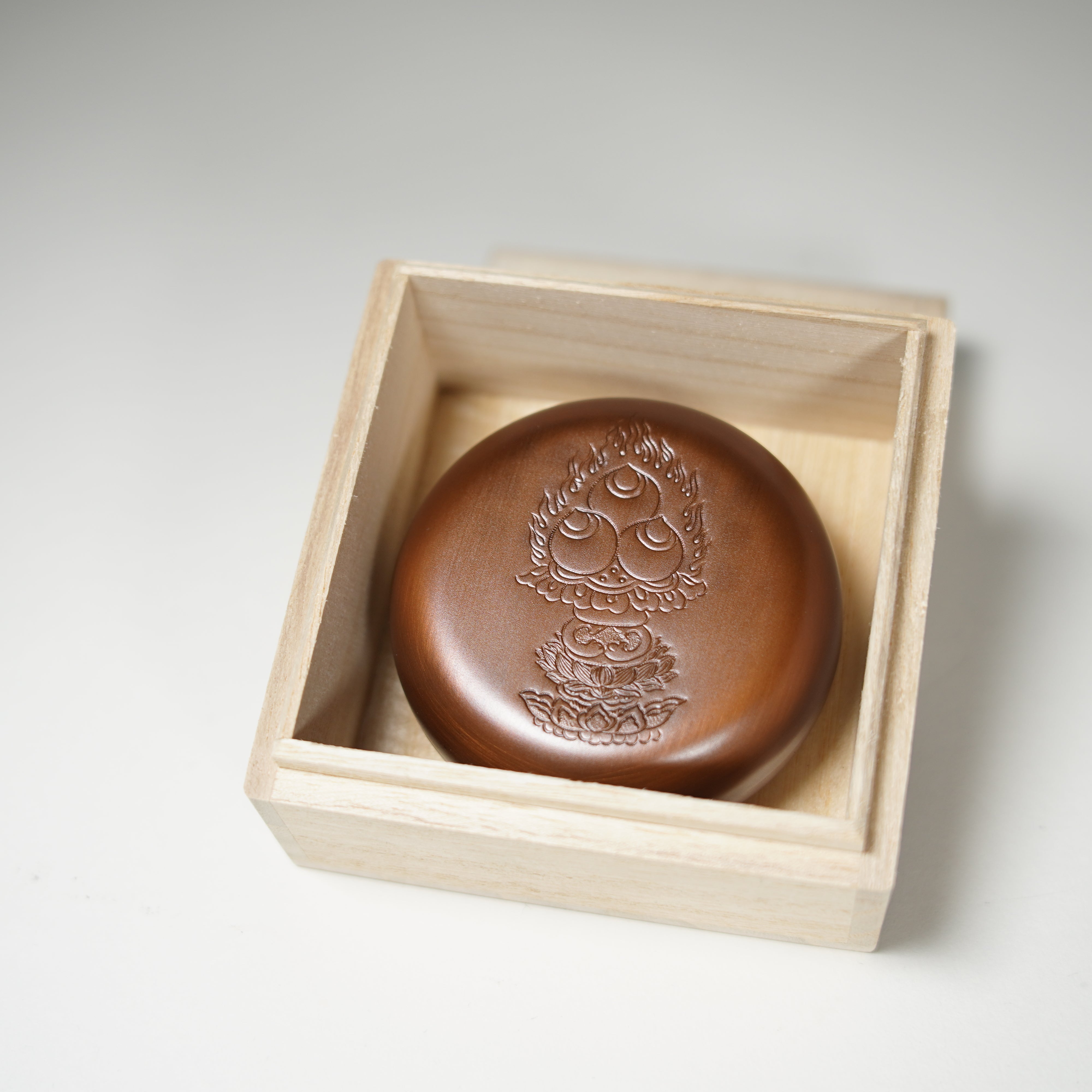
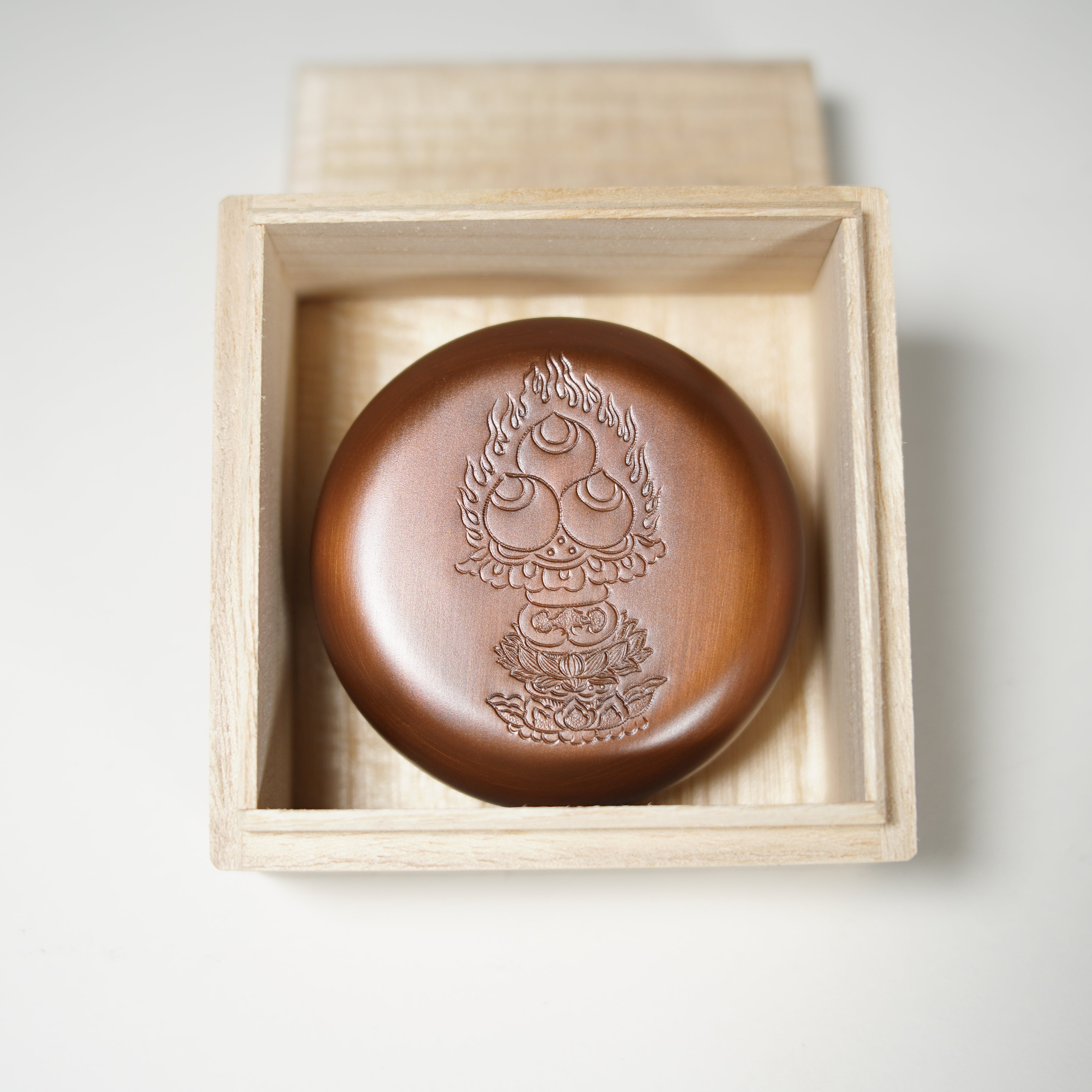
This accessory case is designed and hand-carved by craftsmen.
It is filled with the techniques used in shrines and Buddhist temples. You will be surprised at the beautiful design that you cannot believe it was designed by hand-carving!!
This case is perfect for storing small items that you don't want to lose. Please enjoy this one-of-a-kind product!
SIZE
Length:6.5cm
Width:6.5cm
Thickness:3cm
Weight:64g
MATERIAL
Copper
METALWORK KOBAYASHI
"Going beyond the superlative that was born at the end of the Edo period."
The company is a one-person operation that performs most of the work that is normally done by a division of labor. Not only do I work efficiently, but I polish my handiwork to the last detail to create works that rewrite the feats created in the past.
I will devote myself to creating works that only I can do, while also utilizing modern technology.
ARTISAN STORY
Kobayashi Metalwork / Tatsuya Kobayashi
He is a craftsman who has been mainly producing Shinto and Buddhist ritual objects in Shiga Prefecture for 20 years. He produces a wide range of items, from large items to be attached to shrines and Buddhist temples to small items to be attached to Buddhist altars.
In addition to decorative metal fittings, he also undertakes small items for daily use and restoration work for cultural properties.
ACHIEVEMENTS
・Received a Grand Prize, Comprehensive Skill Contest for Young Artisans
・Certified Craftsman of Kyoto
KAZARI KANAGU / JAPANESE DECORATIVE METAL FITTINGS
About 1,200 years ago / 800s / Heian Period (794–1185)
Decorative metal fittings reinforce and embellish the joints of architecture, furniture, portable shrines, Buddhist implements and boxes. They have accompanied temples and palaces since ancient times, later spreading to the tiny hinges, pulls and corner plates of warrior and merchant household objects.
In Japan, kazari-kanagu are a “supporting craft” that people may overlook. They appear on door corners, chest handles and temple pillars, protecting structures while quietly raising the dignity of an interior. Today the skills remain important in cultural-property restoration and are also adapted to furniture and jewelry.
Small fittings can be more difficult than large ones. Scrollwork or family crests may be engraved, repoussed, pierced and gilded on a plate only a few centimeters wide, yet the finished hinge or pull must still function precisely. Decoration and mechanical performance are inseparable.
Individual Differences
As each piece is individually handcrafted, slight variations in color, pattern, shape, and texture may occur. These subtle differences are a natural characteristic of handcrafted works, making each piece truly unique. We hope you will enjoy these individual variations as part of the beauty and character of Japanese craftsmanship.
Production Time
If an item is not currently in stock, it may be made to order by the artisan. As each piece is carefully handcrafted, production may take several months depending on the item and the artisan's schedule. We appreciate your patience and understanding.
Seçenekleri belirleyin