İndigo boyalı elbise
DESCRIPTION
DETAILS
SIZE
MATERIAL
ARTISAN
KOGEI
Caution
İndigo boyalı elbise
İndirimli fiyat¥13,040.00
Seçenekleri belirleyin
İndigo boyalı elbise
İndirimli fiyat¥13,040.00
Ülke
Dil
Sepet
Sepetiniz boş
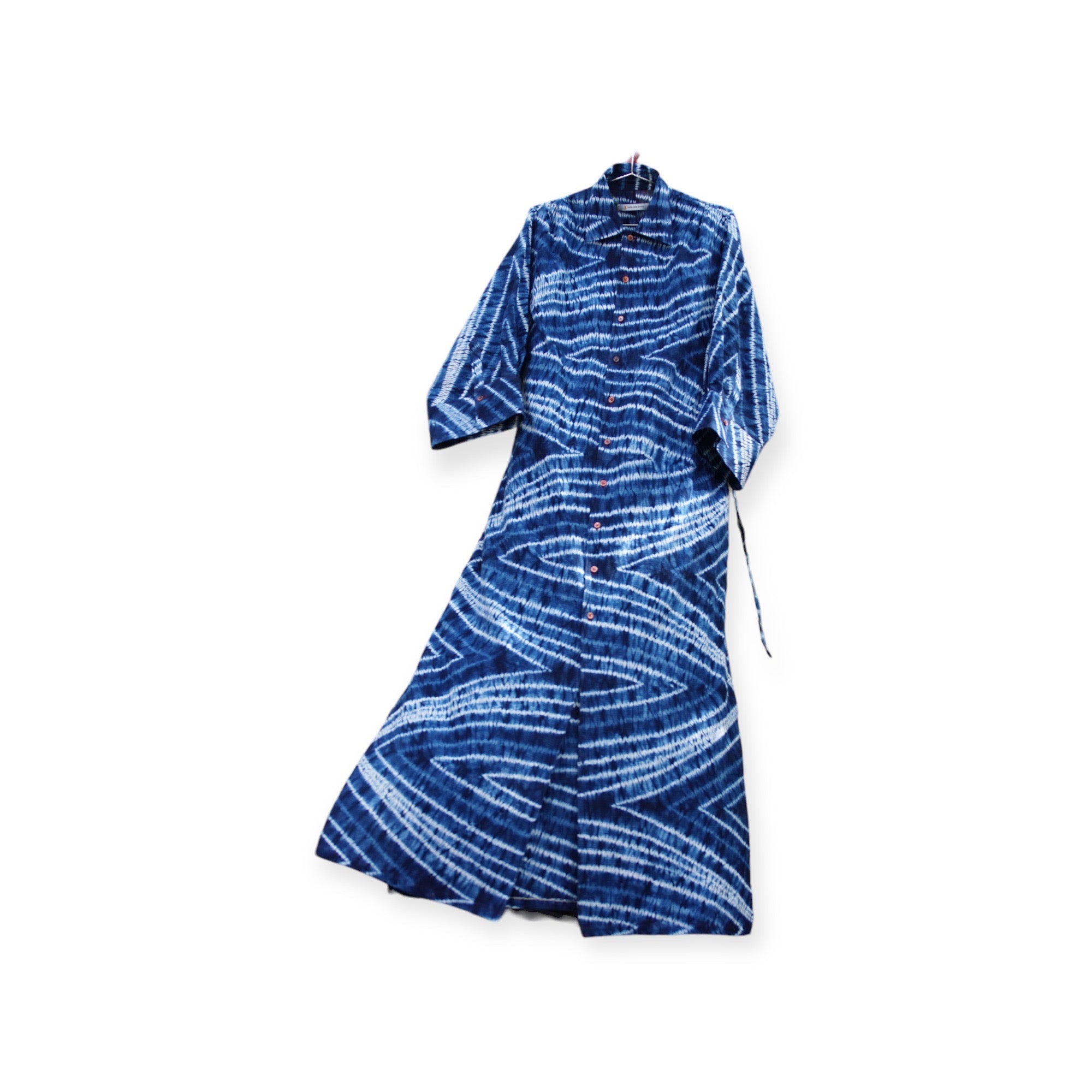
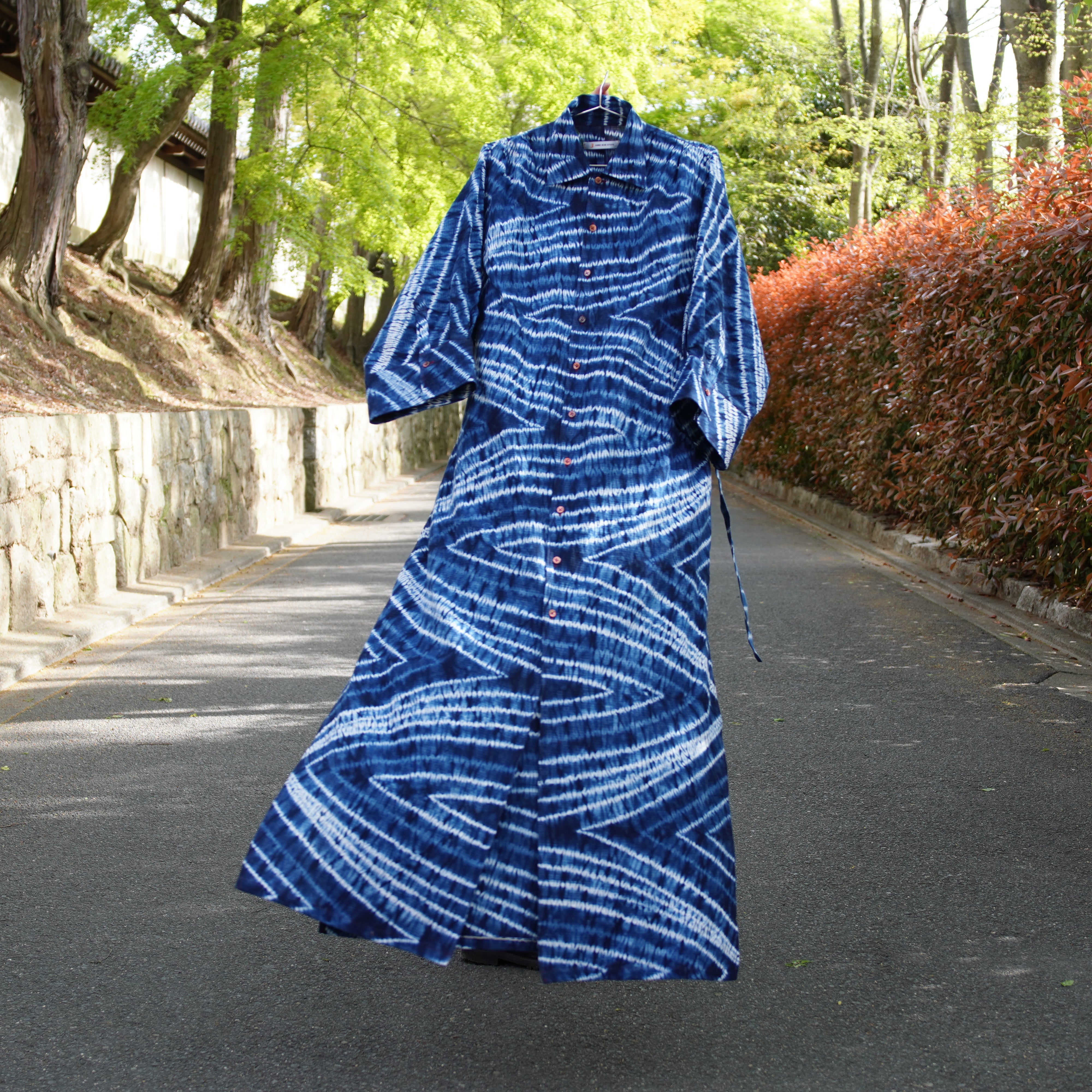
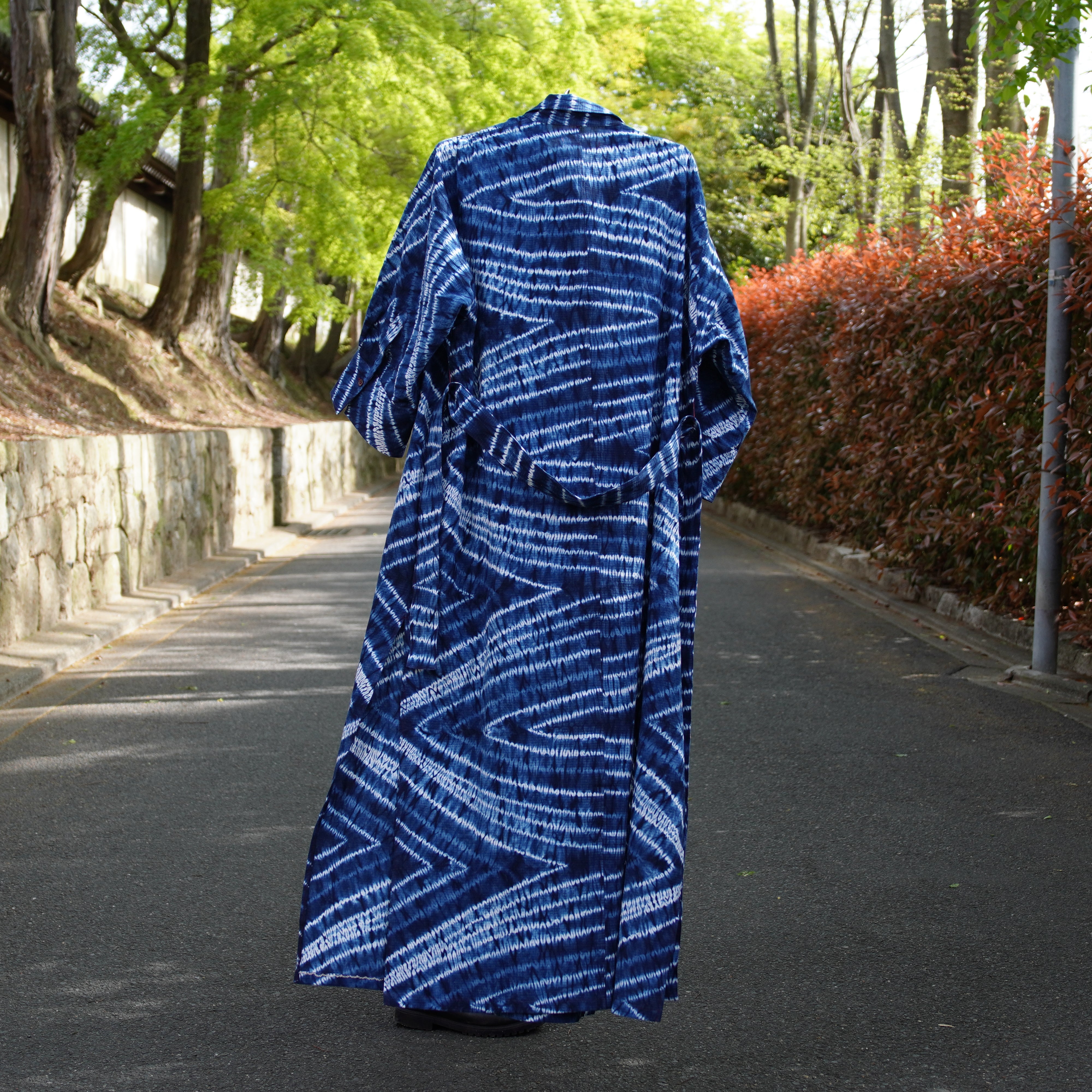
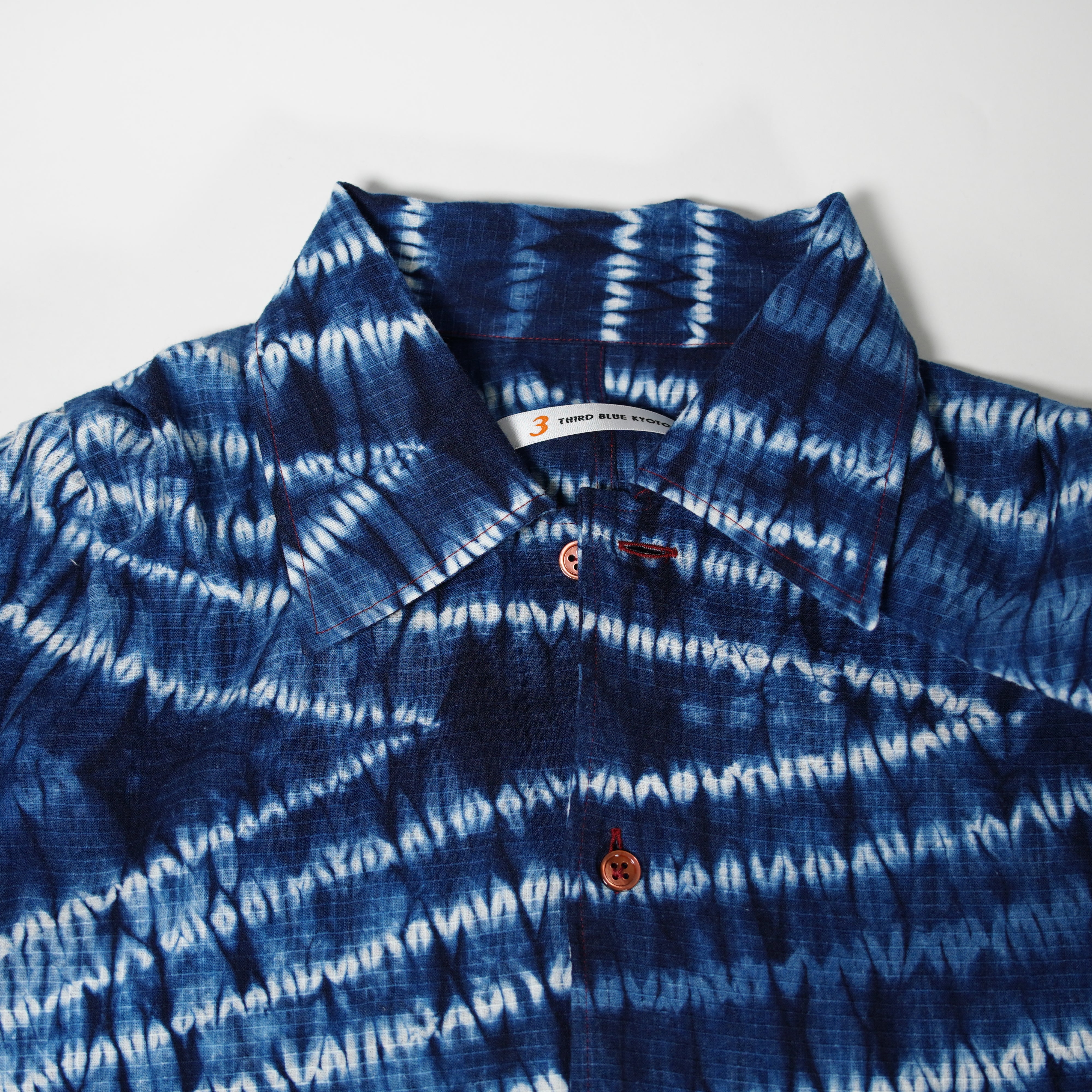
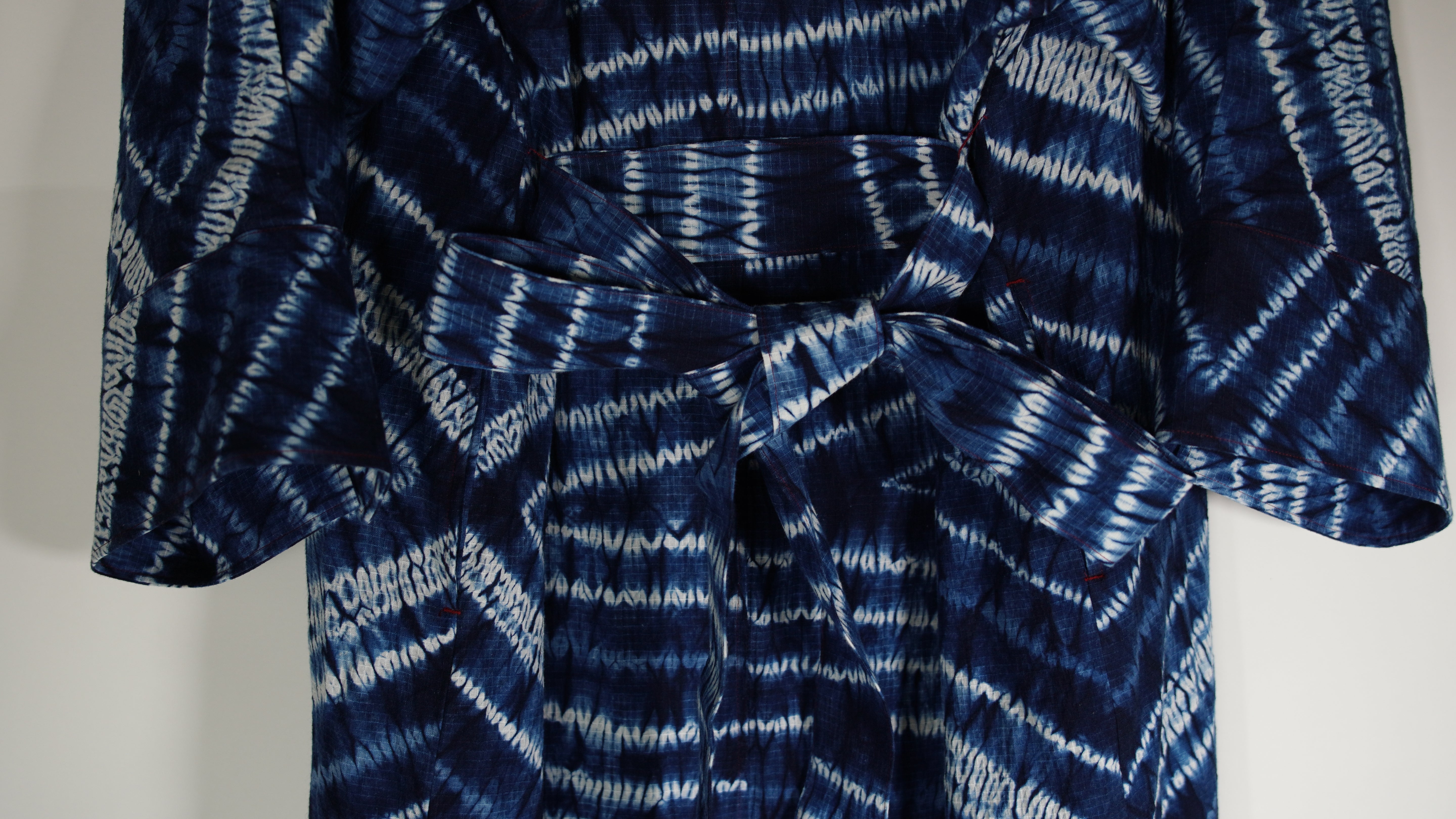
The Indigo Dyed Dress is a gem of a fusion of traditional and modern style. It is also an item that you will feel comfortable and naturally fit into every time you wear it.
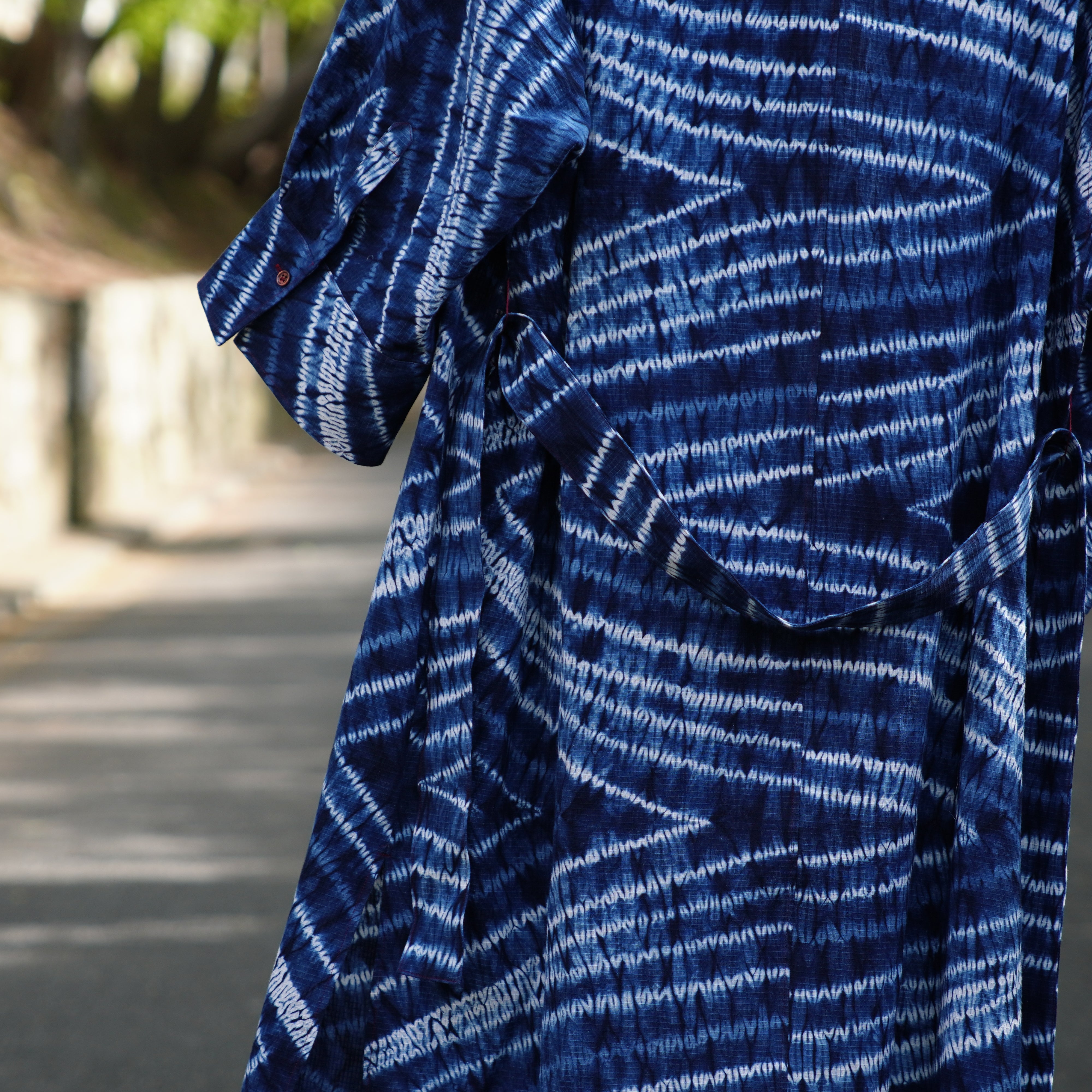
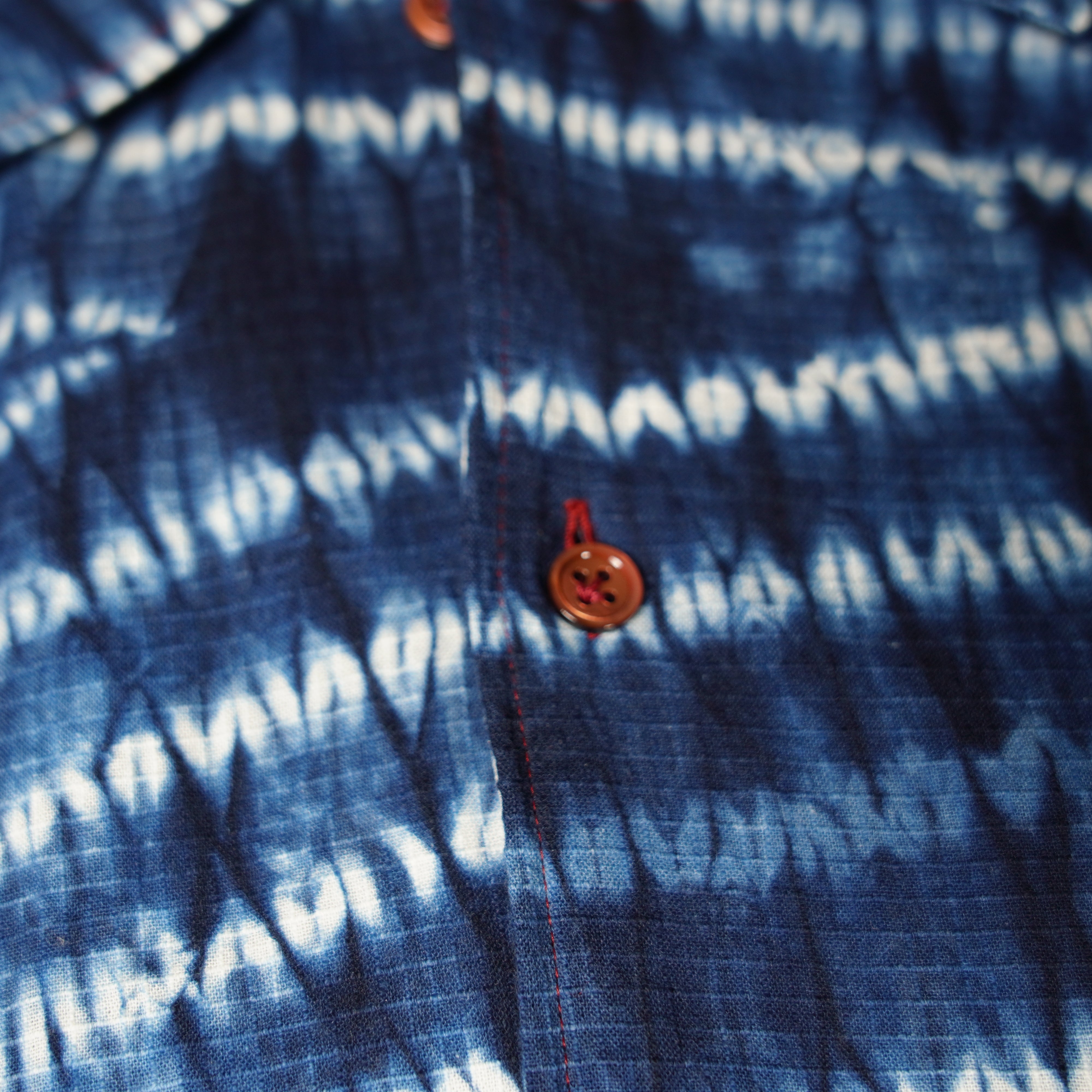
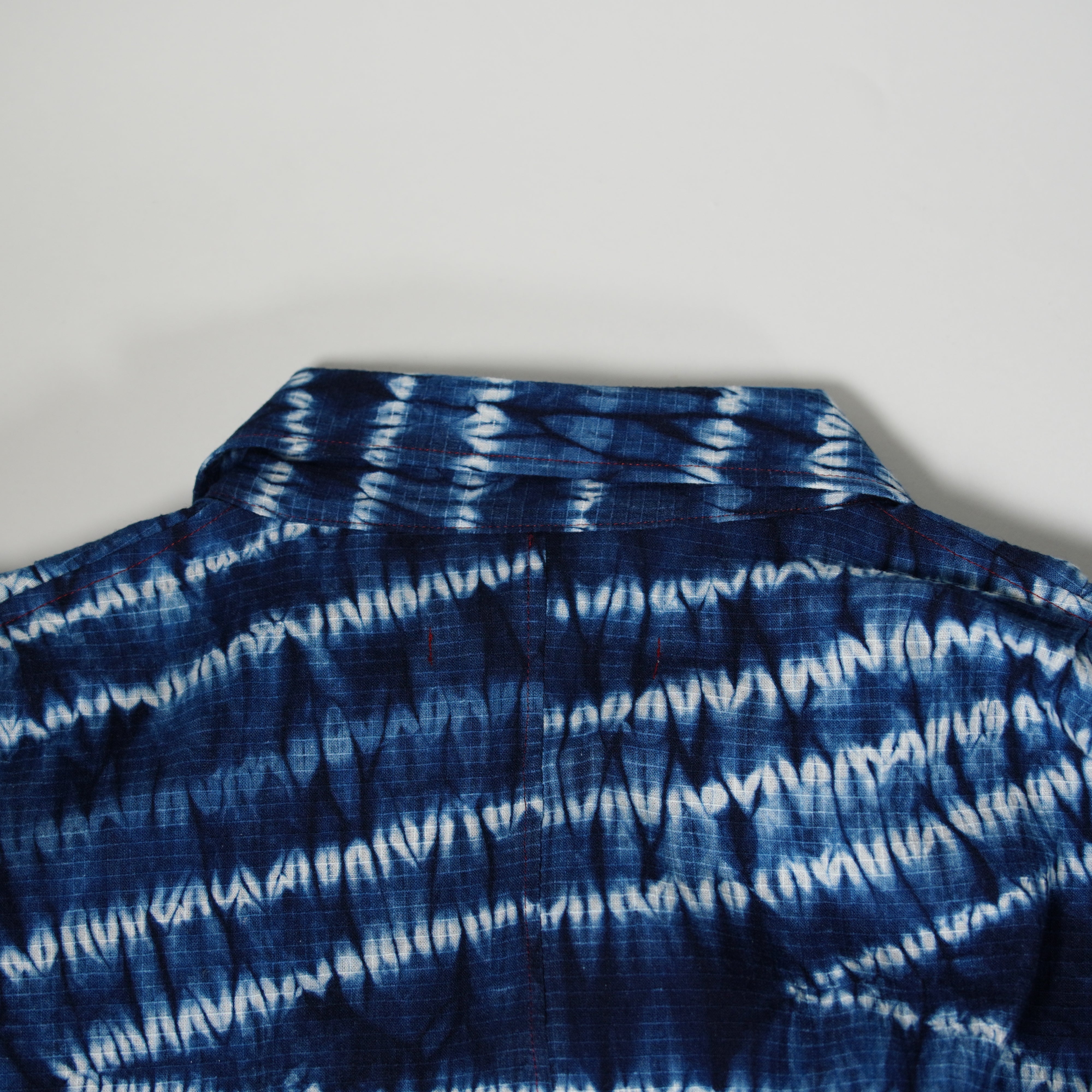
The indigo dye used is a traditional Japanese dyeing technique using natural indigo, and is characterized by its deep and beautiful blue color.
This one-piece dress has a simple yet sophisticated design, making it a piece that can be easily matched to any occasion.
*It is a one-of-a-kind item.
SIZE
Recommended for people over 170 cm in height.
MATERIAL
Cotton
AINOYAKATA
Preserving the beautiful blue of Japan and passing it on to the future
Indigo has been used in Japan since the Asuka Period.
We are fascinated by the beautiful indigo color that has been used by countless people throughout Japan's history, and we are committed to preserving this traditional dyeing method and passing it on to the future through modern fashion and interior design.
ARTISAN STORY
Toru Shimomura
We produce our products using only natural indigo dyes without chemicals, sourcing domestically produced indigo as the raw material.
The indigo dyeing is a traditional technique that has existed since ancient times, and the tradition is still being preserved today. Japanese indigo dyeing (Indigo Dye) is handmade without using any chemical agents. Please experience its beautiful colors.
AIZOME / JAPANESE INDIGO DYEING
About 1,400 years ago / 600s / Asuka–Nara Period
Indigo dyeing reached Japan from continental Asia in ancient times, and Japanese makers developed fermentation vats based on sukumo made from polygonum indigo. With the spread of cotton in the Edo period, indigo became ubiquitous in workwear, shop curtains, towels and everyday clothing—so visible that foreign observers later spoke of “Japan blue.”
In Japan, indigo remains associated with happi coats, kendo uniforms, noren and practical textiles. Today natural fermentation dyeing has found new audiences in denim, fashion and interiors, where deep color and graceful fading are highly valued.
The dye vat itself does not look blue. Cloth often emerges yellow-green and only turns blue as oxygen in the air oxidizes the colorant. The maker is not simply dipping fabric into a blue liquid; the blue is repeatedly created outside the vat through a controlled chemical reaction.
Individual Differences
As each piece is individually handcrafted, slight variations in color, pattern, shape, and texture may occur. These subtle differences are a natural characteristic of handcrafted works, making each piece truly unique. We hope you will enjoy these individual variations as part of the beauty and character of Japanese craftsmanship.
Production Time
If an item is not currently in stock, it may be made to order by the artisan. As each piece is carefully handcrafted, production may take several months depending on the item and the artisan's schedule. We appreciate your patience and understanding.
Seçenekleri belirleyin