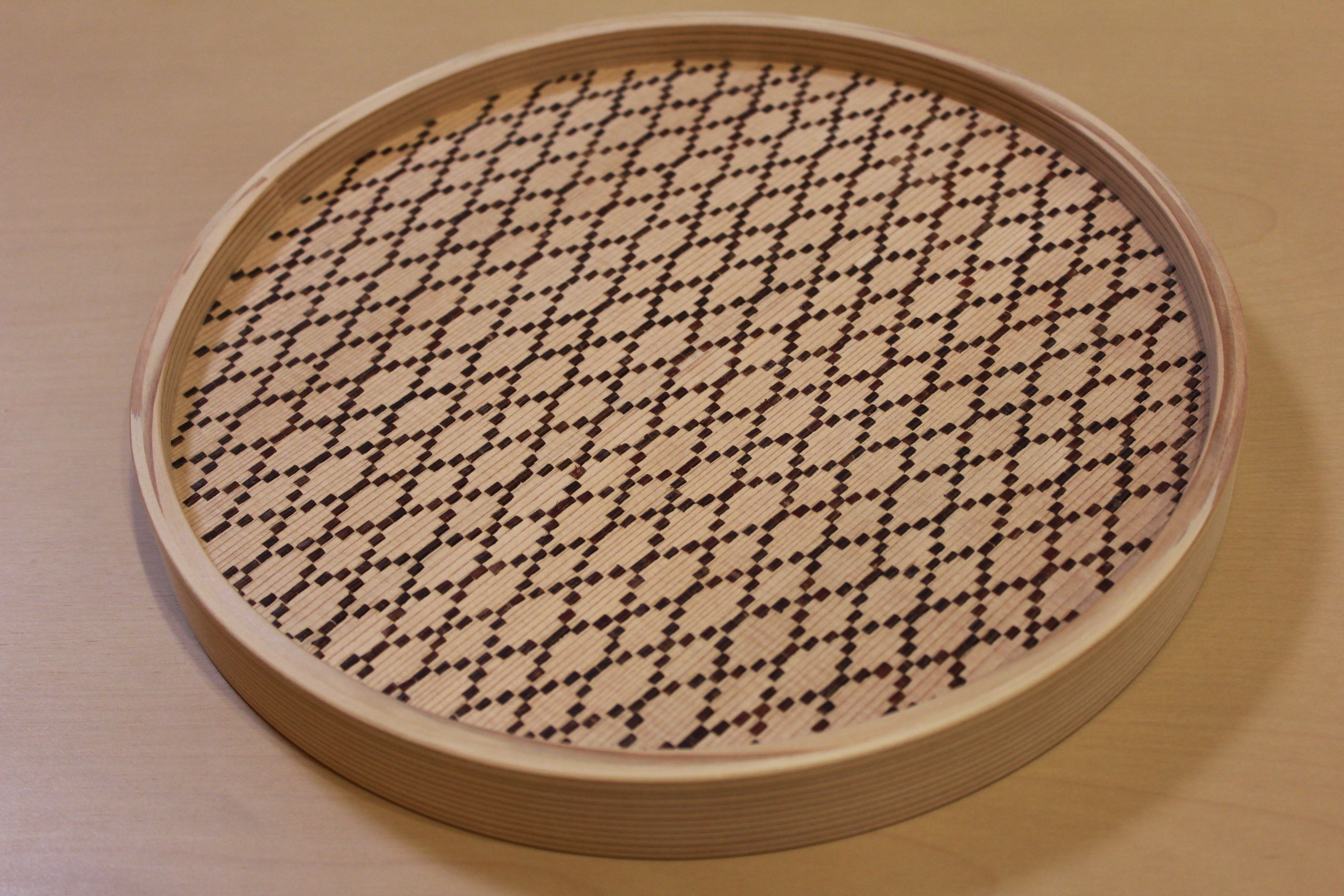
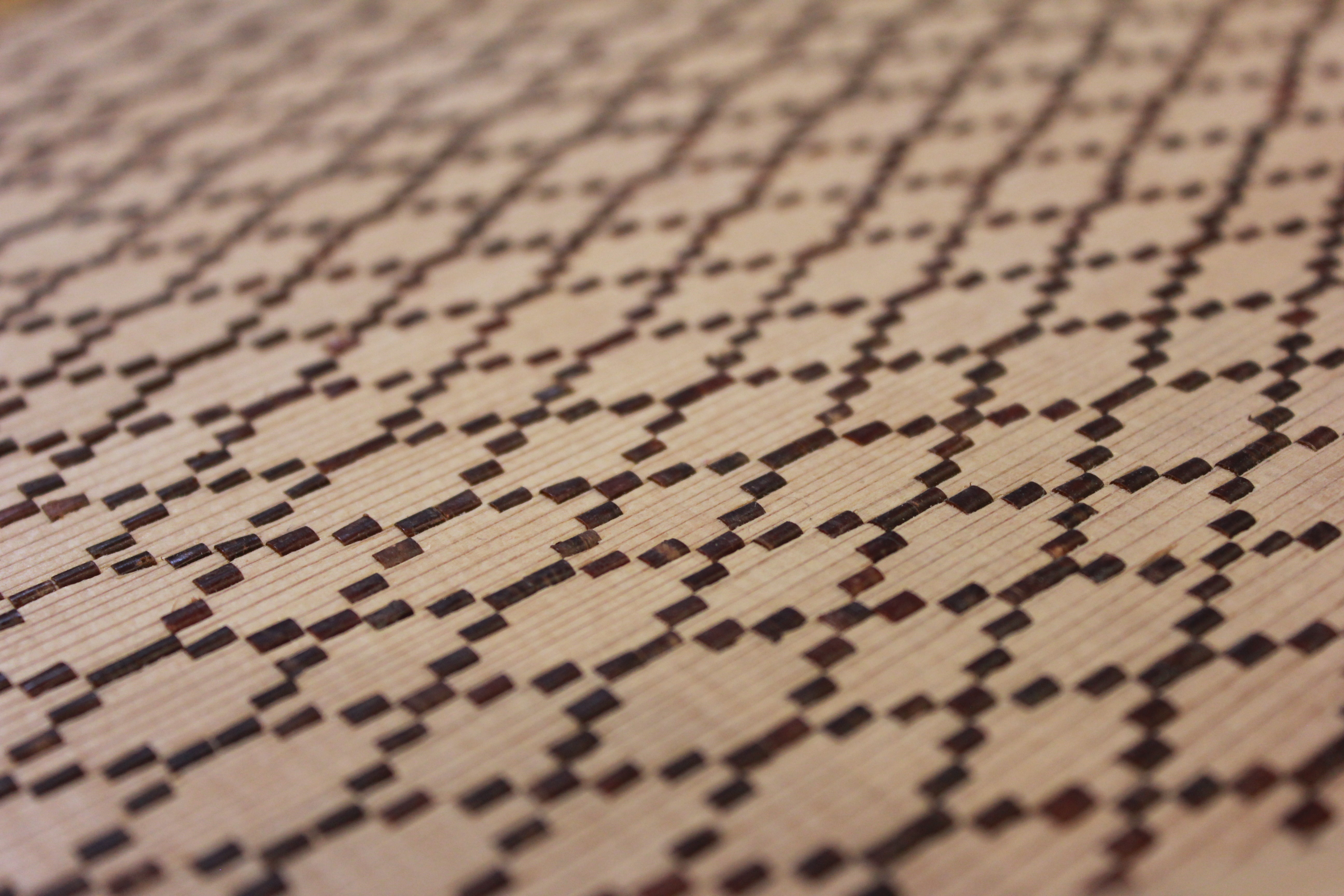
MAGEWAPPA / JAPANESE BENTWOOD CRAFT
About 400 years ago / 1600s / Edo Period (1603–1868)
Magewappa is made by softening thin strips of cedar or cypress in hot water, bending them into circles or ovals and fastening the joint, traditionally with cherry bark. In Odate, Akita, the industry expanded in the Edo period when the domain encouraged lower-ranking samurai to use abundant local Akita cedar for boxes and rice containers.
In Japan, magewappa lunch boxes have enjoyed a strong revival because the wood absorbs excess moisture and helps rice remain pleasant even after cooling. Their aroma and texture offer an alternative to plastic, and the boxes have become symbols of a more deliberate everyday lifestyle.
The walls can be surprisingly thin without splitting because straight-grained wood is carefully selected and softened with heat and water. Even the stitched-looking joint uses natural bark. The result combines lightness, breathability and repairability in an elegantly rational container.