Hana Fuuri /桌子摊
促销价格€715,95
选择选项
Hana Fuuri /桌子摊
促销价格€715,95
国家/地区
语言
购物车
您的购物车为空
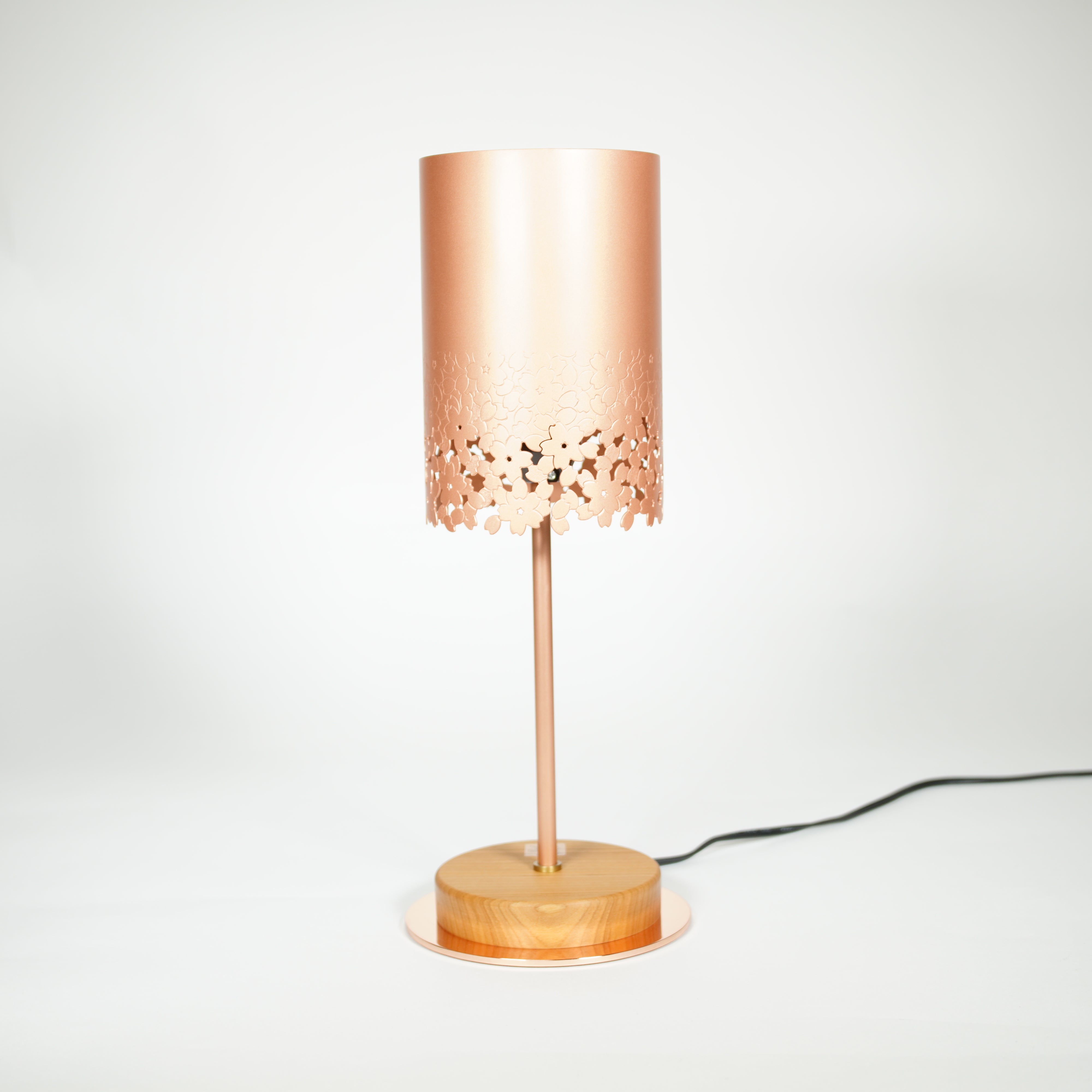
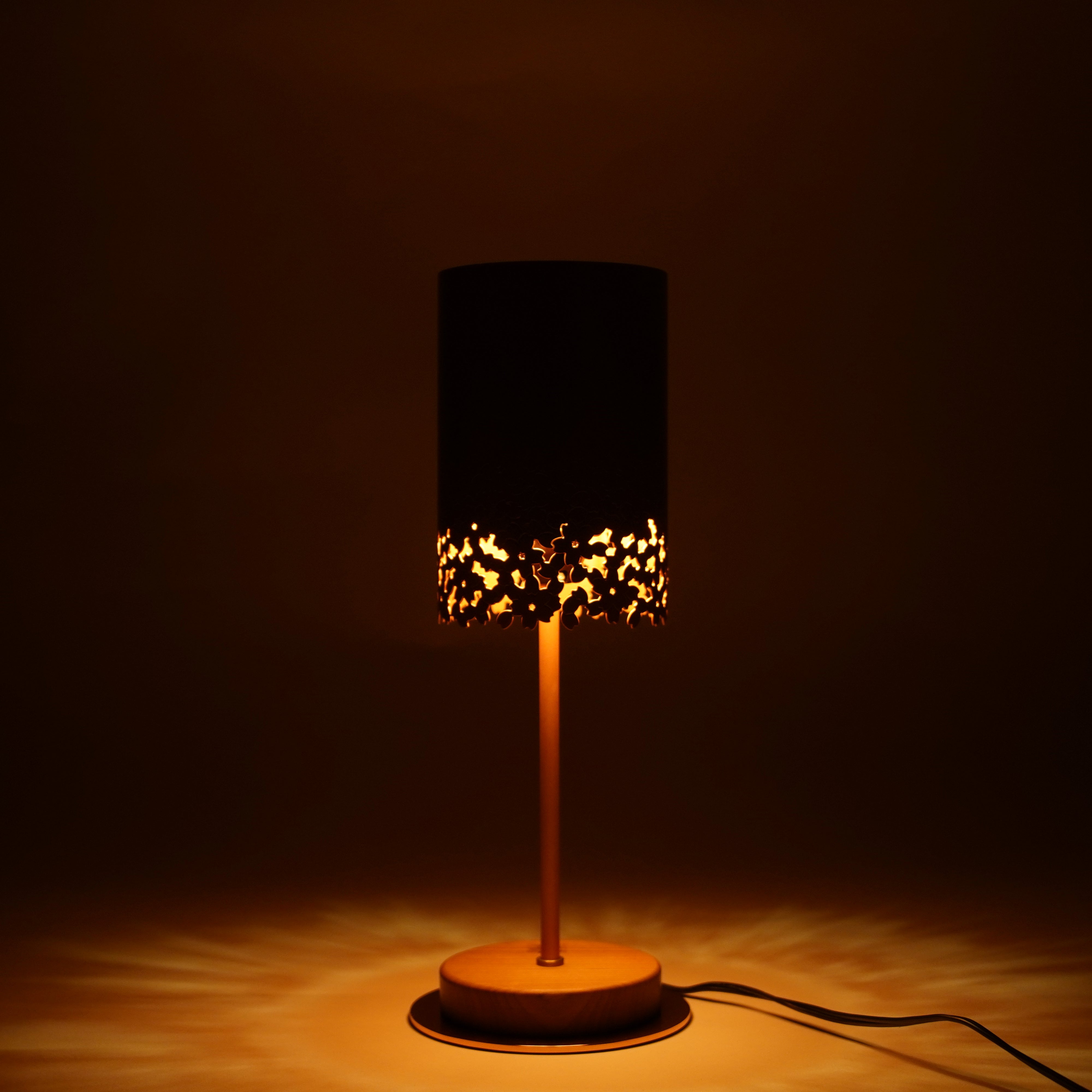
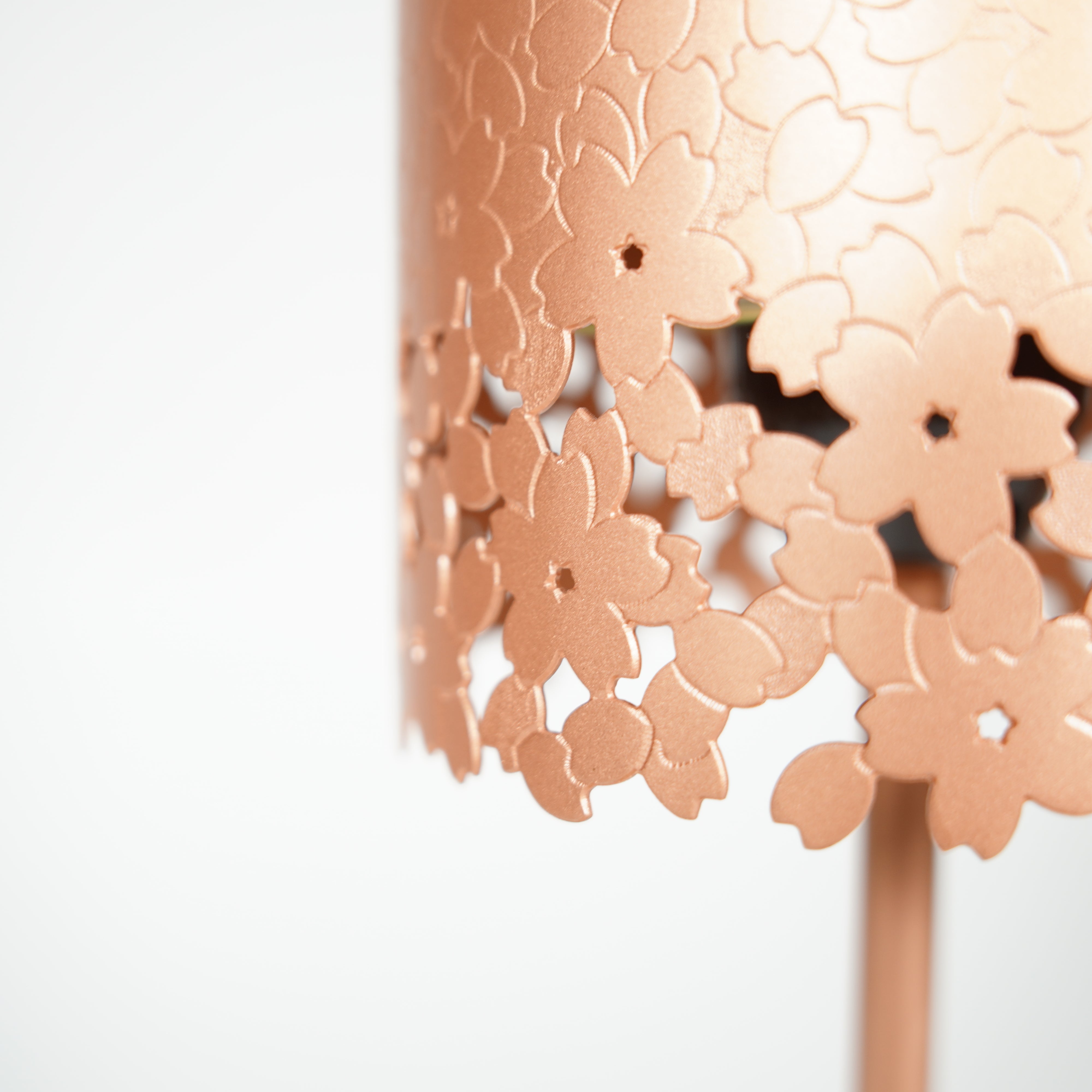
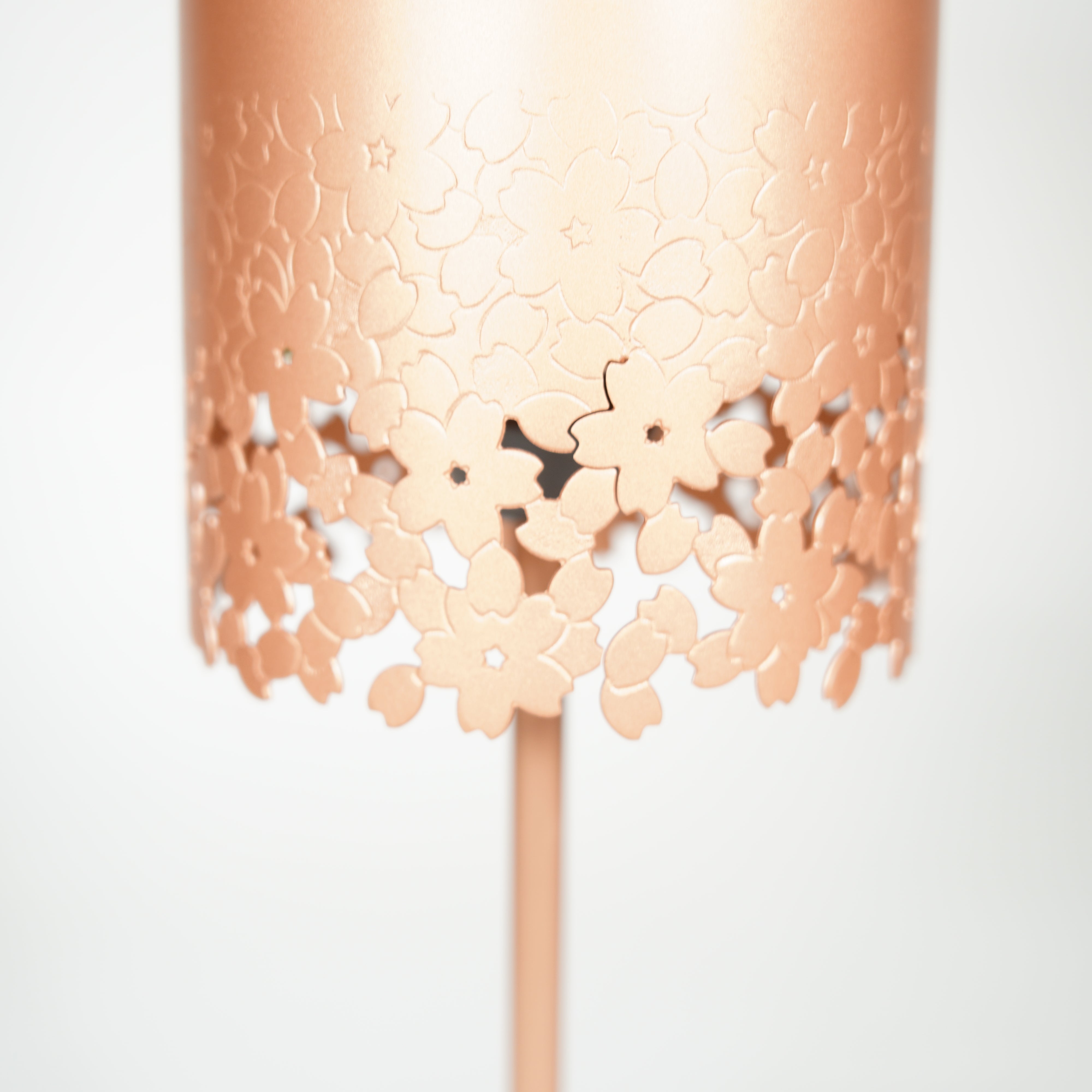
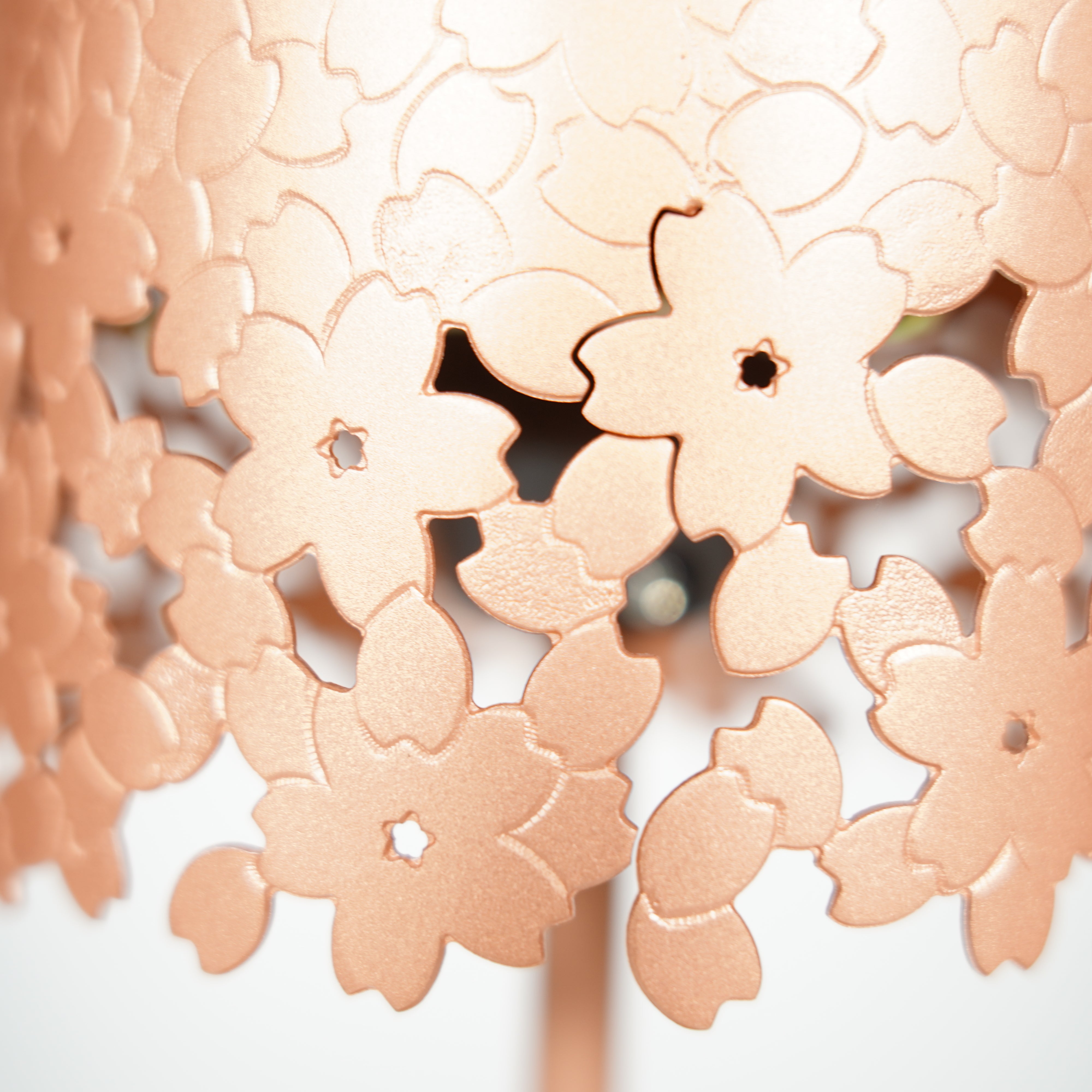
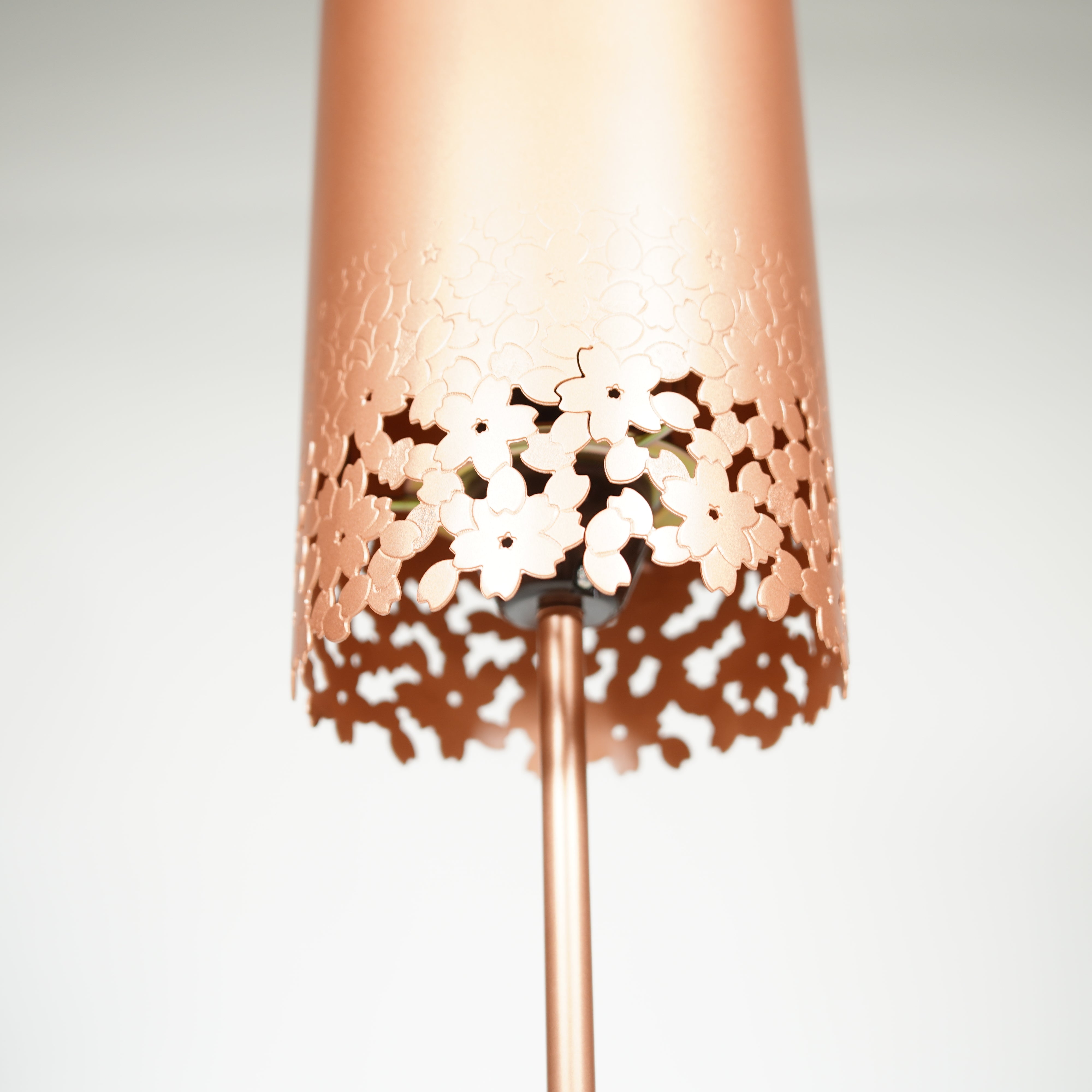
A table stand with a delicate silhouette that features a scene of cherry blossoms appearing, flourishing, and petals scattering, expressed in a gradient through the techniques of engraving and openwork.
Cherry blossoms are recognized as quintessentially Japanese both domestically and internationally.
The petals are modularized to create a cohesive visual impression, blending organically yet fitting seamlessly into minimal spaces.
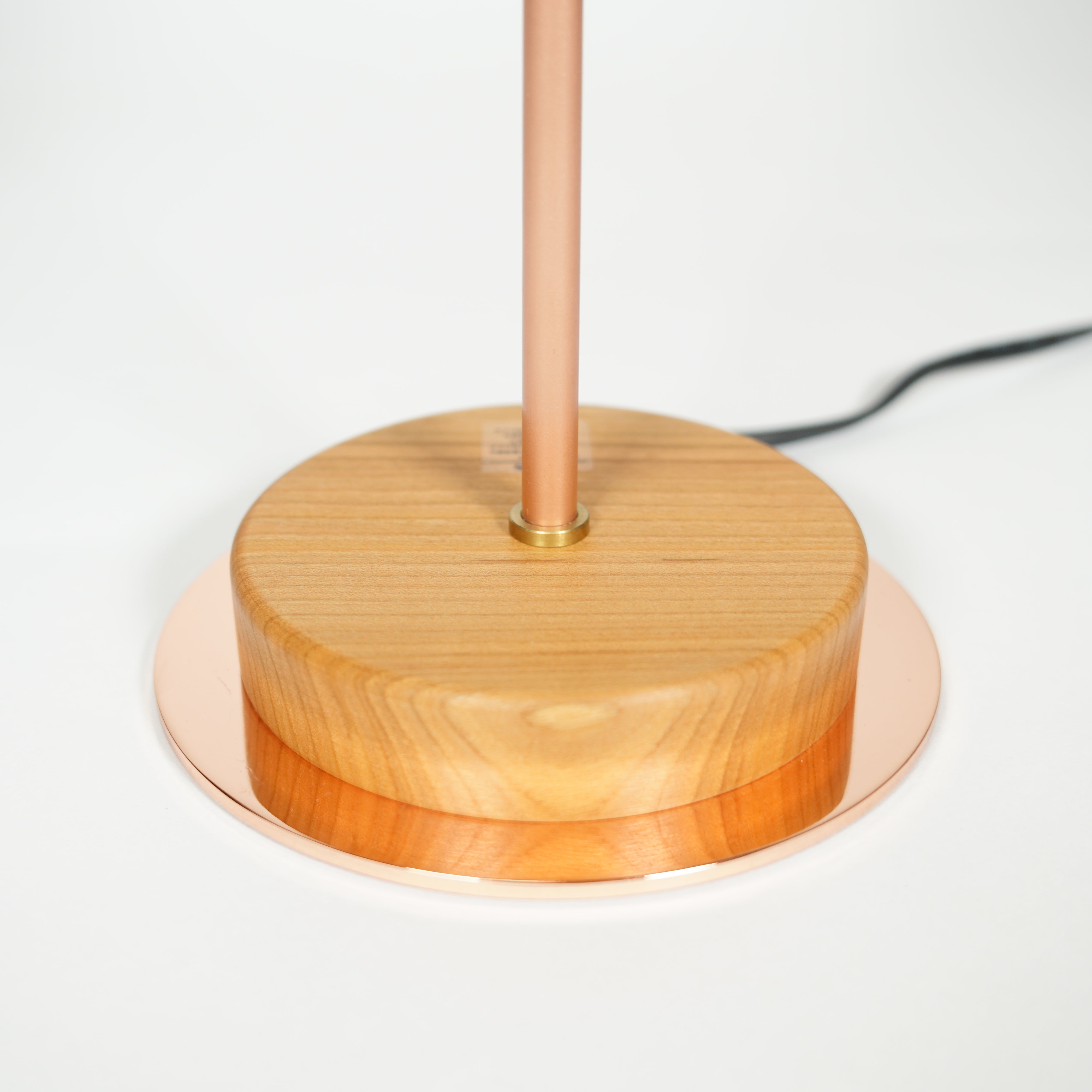
A faint pink hue of copper links to the cherry blossoms, giving a soft and warm impression despite being made of metal.
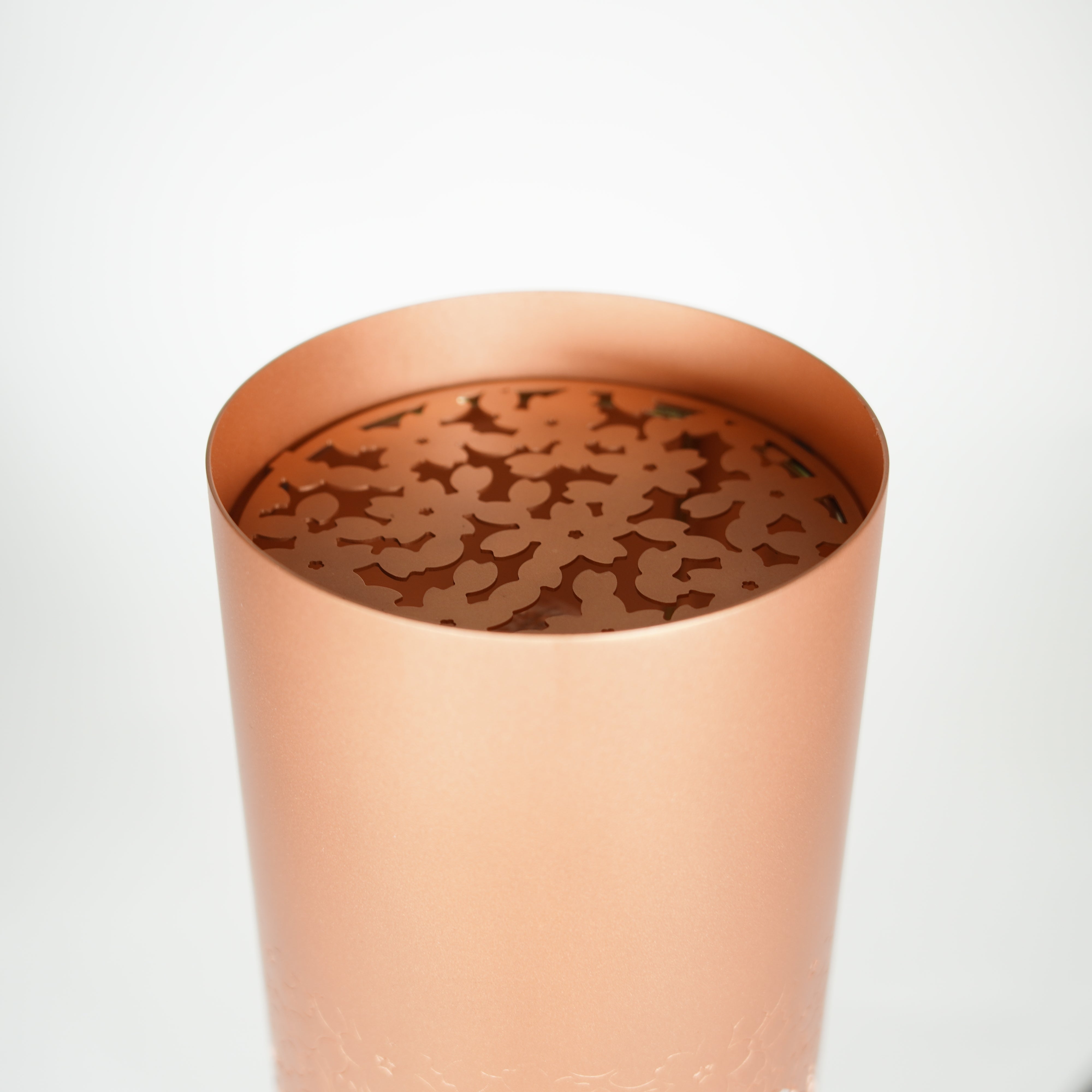
The copper cylinder gradually transitions into cherry blossoms, and as the flowers fall, light spills and eventually expands.
SIZE
Width:11cm
Depth:11cm
Height:37cm
Weight:1,220g
MATERIAL
Cpper
NOYORI
"Ornamental metal fittings demanding traditionally cultivated beauty and high levels of skill"
The ornamental metal fittings used in Buddhist and Shinto altar implements and festival implements are called “kazari-kanagu.” The nuance communicated by the special Chinese character used to write this Japanese word is “more ornate and magnificent,” and as befits this weighty word, we diligently apply ourselves with pride and positive self-regard, day in and day out.
ARTISAN STORY
Katsuhiko Noyori / NOYORI
This company began in 1970, when the founder, Minoru Noyori, established the Noyori Shin-Butsugu Kazari-kanagu Shop on his own in Tachibana-cho, Naka-ku, Nagoya, Aichi Prefecture, a location that is center for the production of Owari Buddhist altar implements. The company hand-fashions ornamental metal fittings for shrines, temples, Buddhist altar implements, festival implements, and other such applications. In 1988, the second proprietor, Katsuhiko Noyori, took over operation and renamed the business “Noyori Co., Ltd.” He is a traditional craftsman who carries on the skills and techniques of Owari Buddhist altar implements, a traditional handicraft that has been continued since Japan’s feudal Edo period (approximately the year 1600).
NAGOYA BUTSUDAN / NAGOYA BUDDHIST ALTARS
About 400 years ago / 1600s / Edo Period (1603–1868)
Nagoya Buddhist altars developed in the Edo period within the Owari Tokugawa castle town and a region where Jodo Shinshu faith was widespread. Strong wooden construction suited the humid Nobi plain, while gold leaf, lacquer, carving and decorative metal created the elaborate gilded style.
In Japan, the altar is both a family prayer space and a synthesis of local woodworking, lacquer and metal craft. Contemporary versions have become smaller for modern homes while selectively retaining traditional gold and carving.
Inside is often a miniature architectural sanctuary called a kuguden, with pillars and roofs assembled like a real temple. Some historical Nagoya designs also considered how an altar might be lifted during floods, showing how regional disaster experience could shape even an object of great religious splendor.
Individual Differences
As each piece is individually handcrafted, slight variations in color, pattern, shape, and texture may occur. These subtle differences are a natural characteristic of handcrafted works, making each piece truly unique. We hope you will enjoy these individual variations as part of the beauty and character of Japanese craftsmanship.
Production Time
If an item is not currently in stock, it may be made to order by the artisan. As each piece is carefully handcrafted, production may take several months depending on the item and the artisan's schedule. We appreciate your patience and understanding.
选择选项