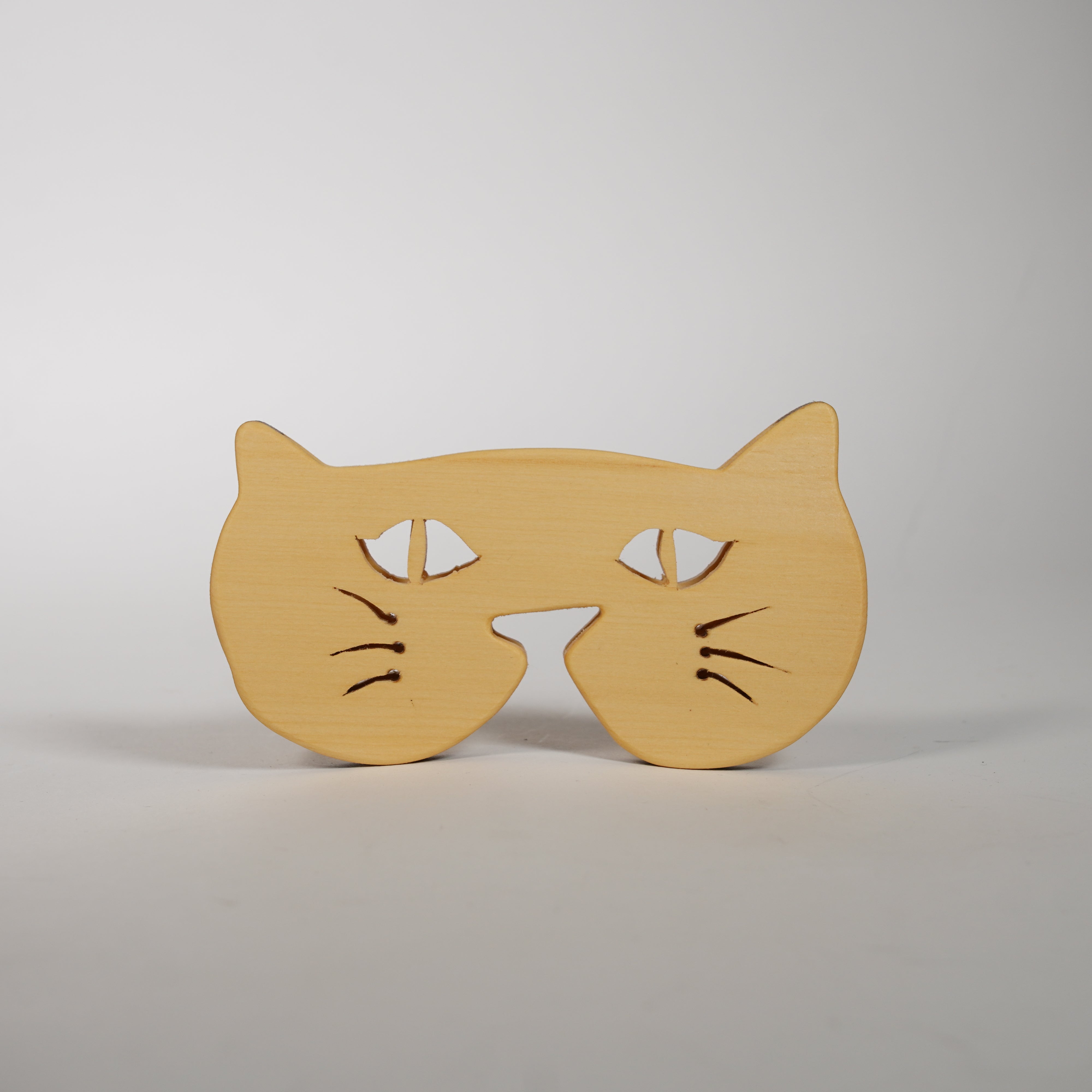
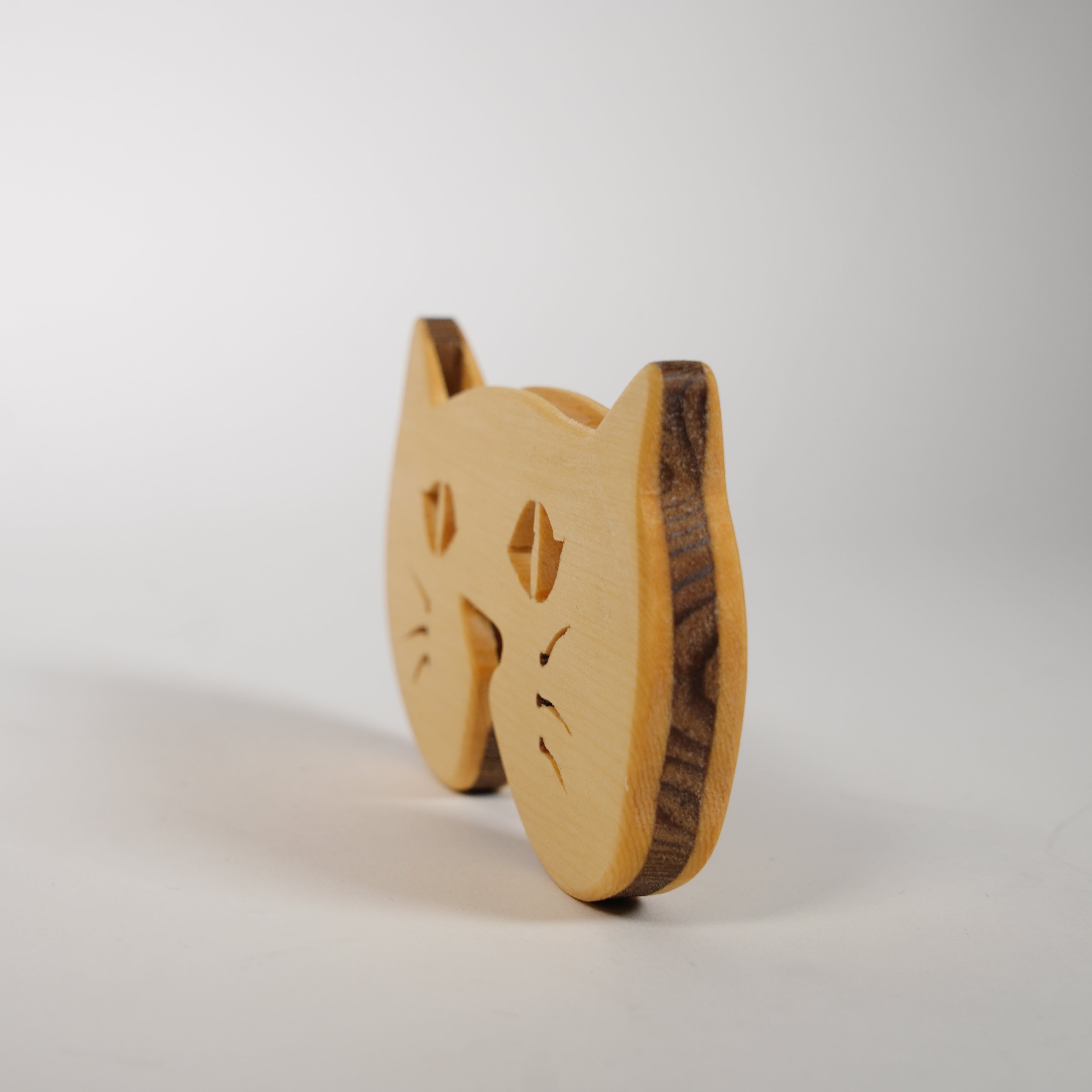
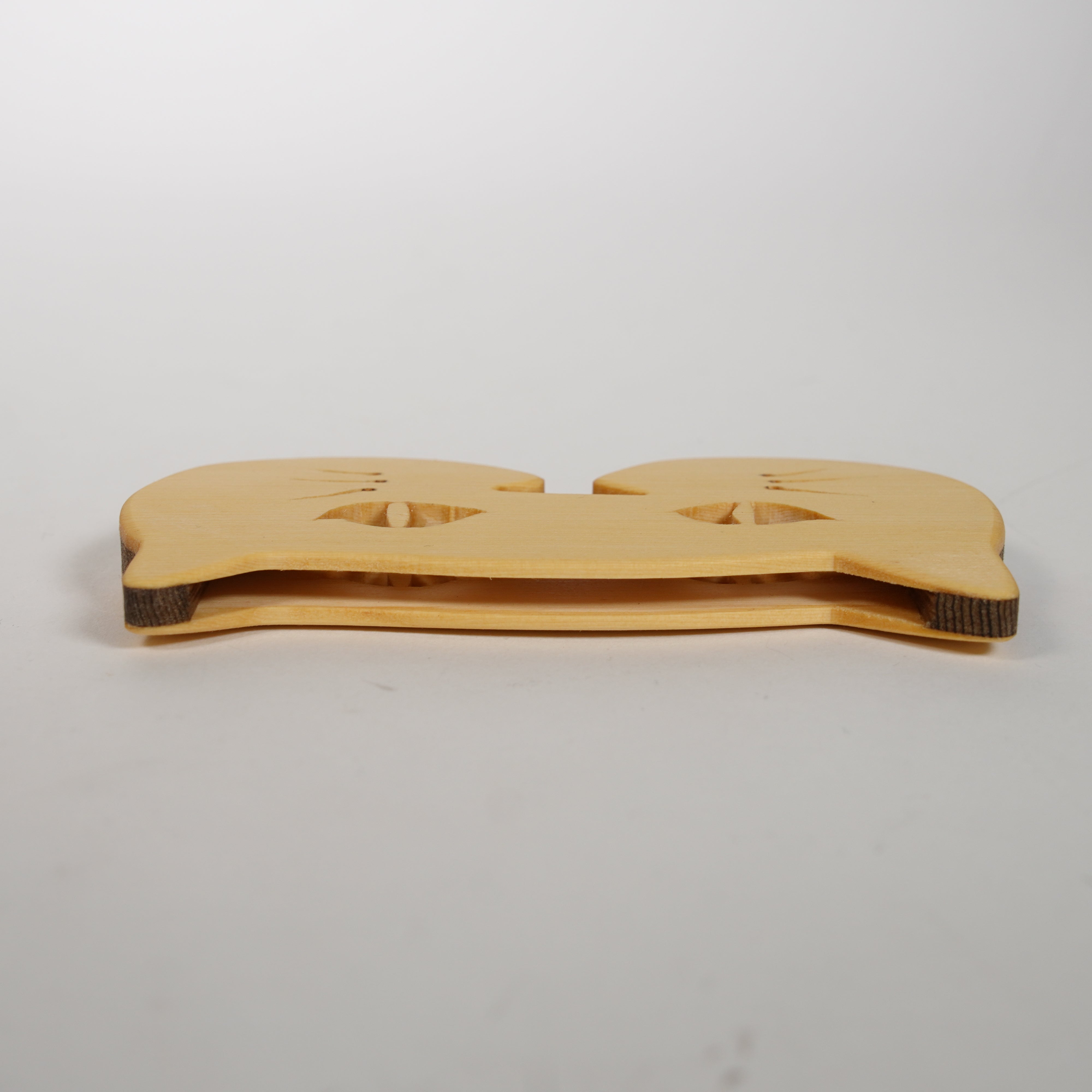
KYO SASHIMONO / KYOTO WOOD JOINERY
About 1,200 years ago / 800s / Heian Period (794–1185)
Kyo sashimono grew from wooden furnishings made for the Heian court and temples. Specialist joiners emerged by the Muromachi period, while the rise of tea culture created demand for precise shelves, boxes and incense utensils. During the Edo period, the same skills expanded into furniture for prosperous townspeople.
In Japan, the craft is respected less for showy carpentry than for understanding the behavior of wood and building structures meant to last. Joints rather than metal nails do much of the work, and materials such as paulownia, cedar and mulberry are selected and finished according to purpose.
A particularly Kyoto-like feature is that sashimono often becomes a collaborative art. Lacquerers, mother-of-pearl specialists, decorative metalworkers and even celebrated painters may contribute to a single piece. The furniture becomes a synthesis of many crafts, reflecting Kyoto’s long role as a crossroads of specialized makers.