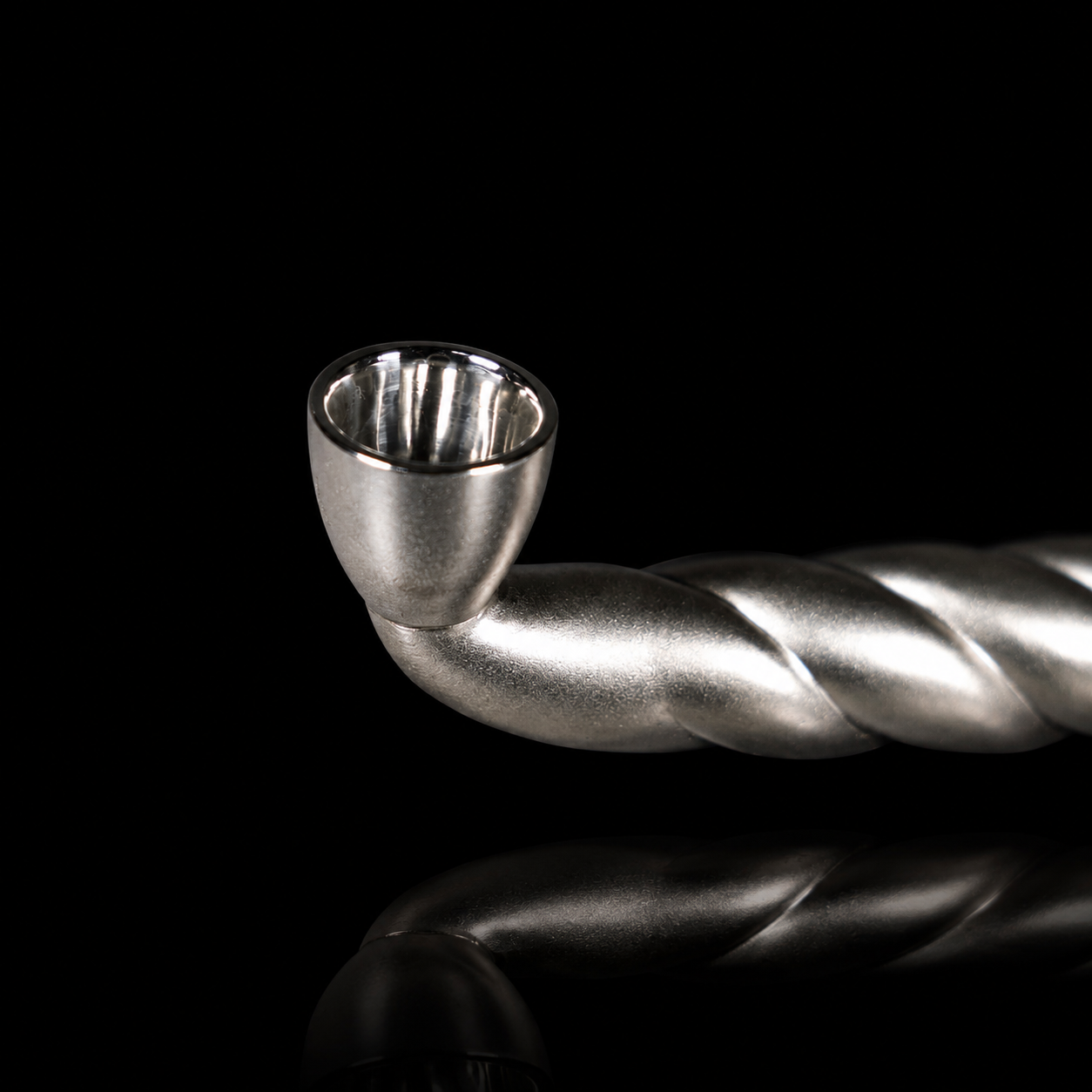
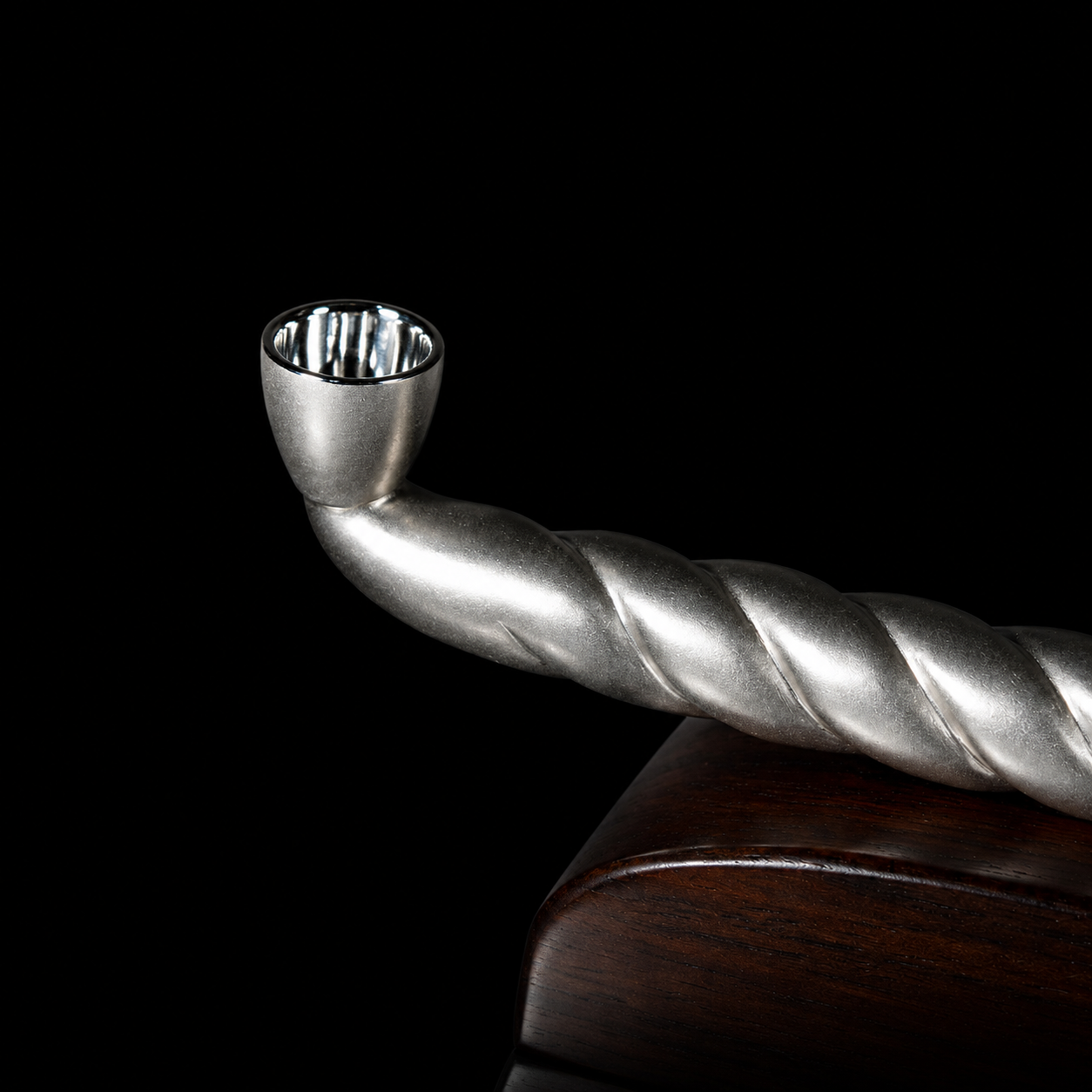
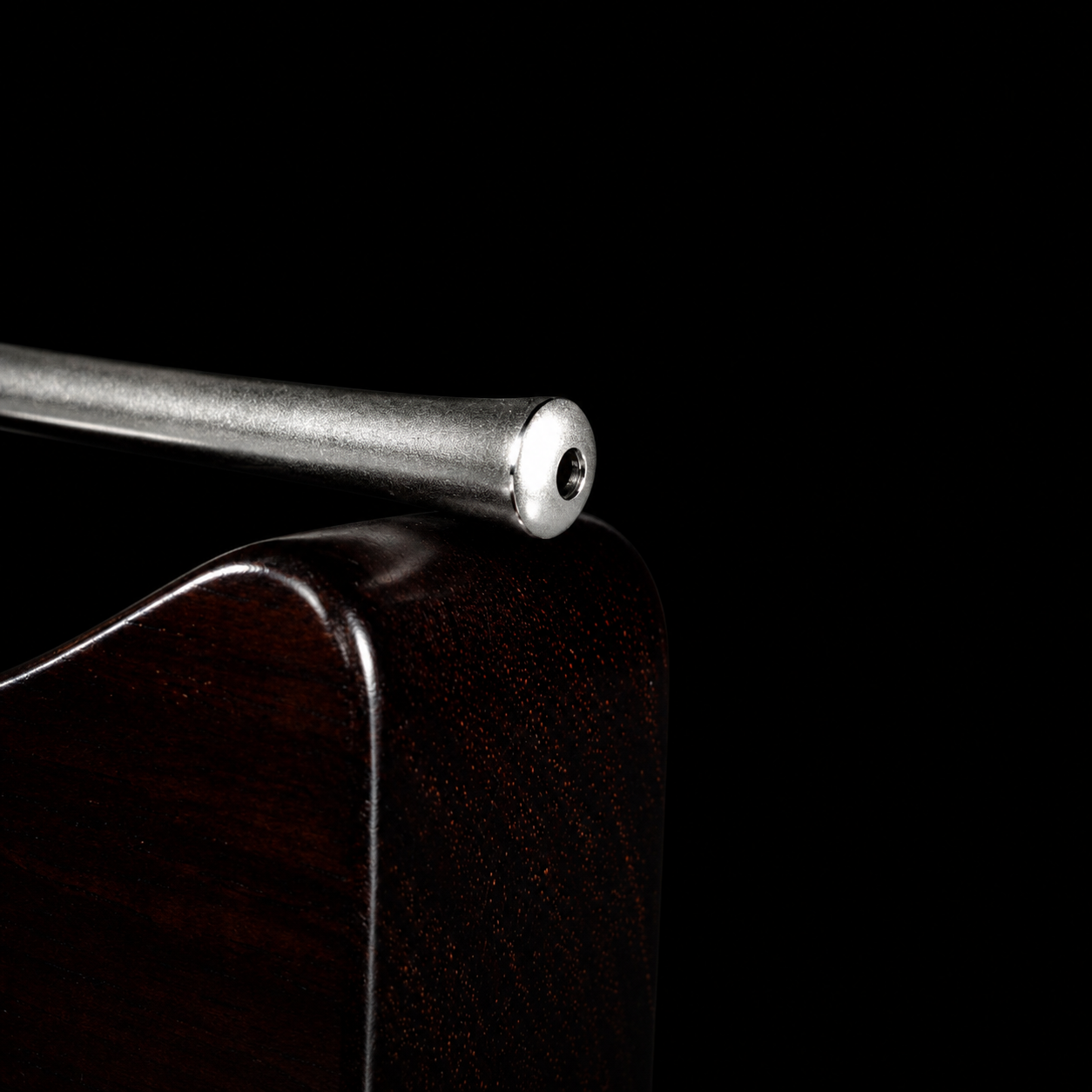
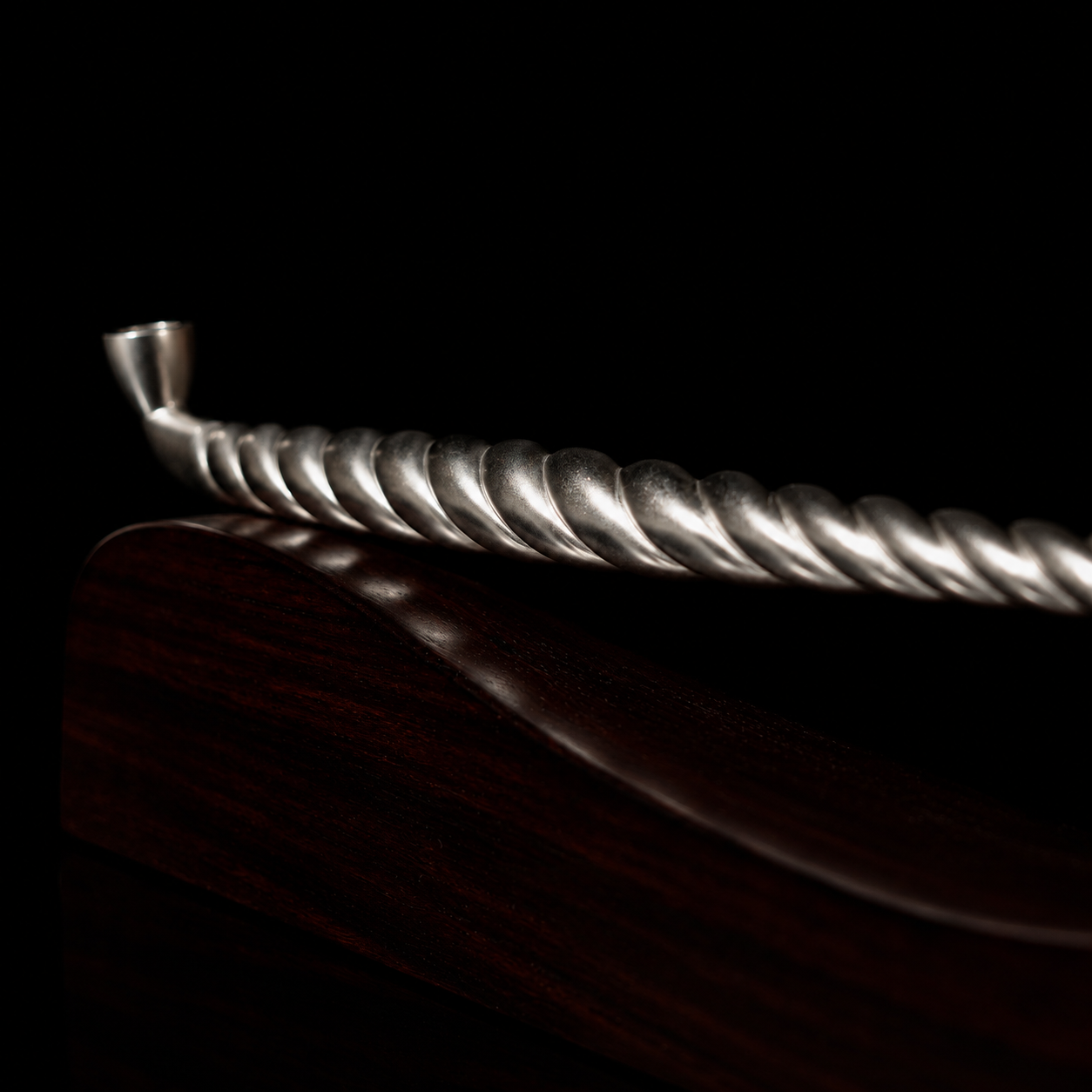
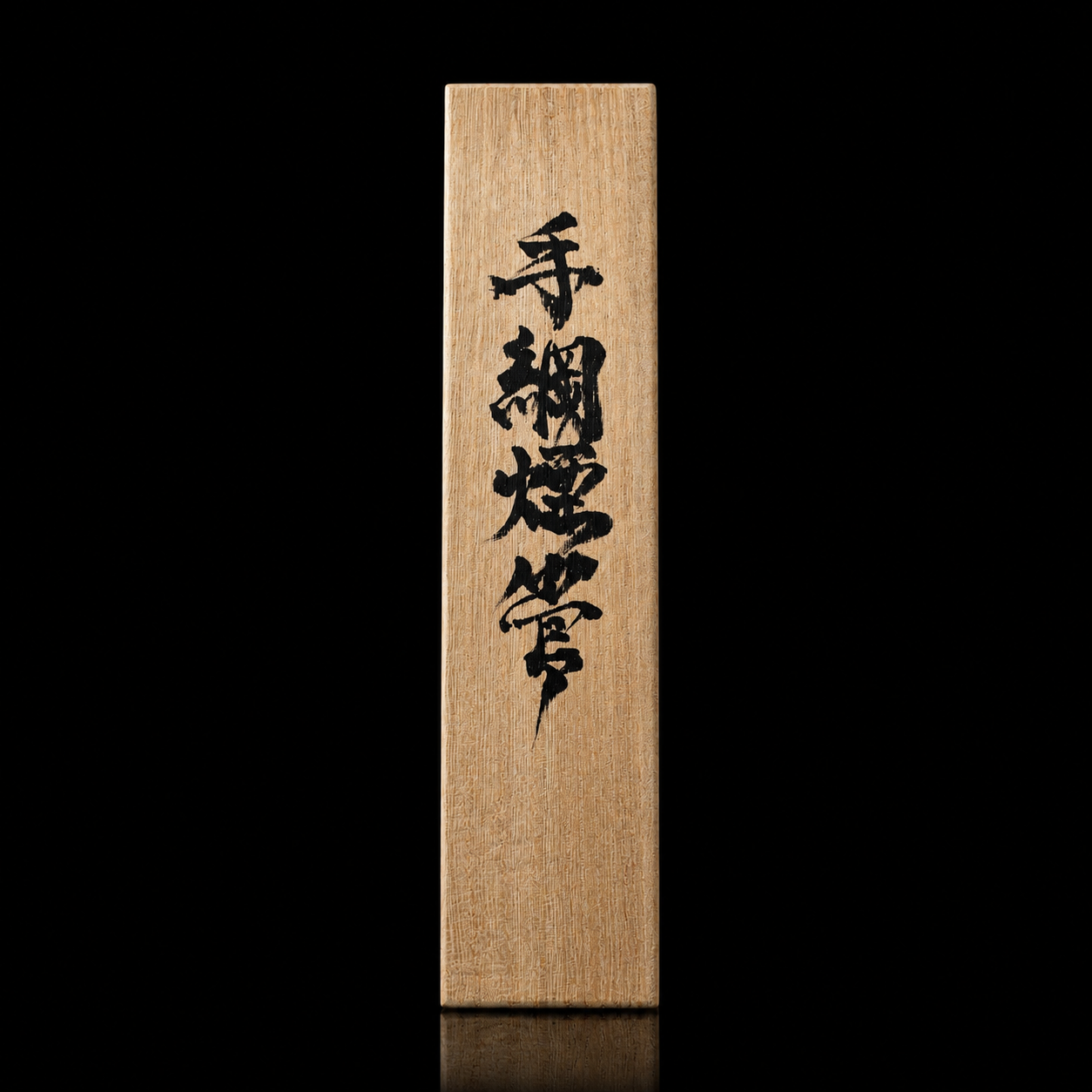
Kiseru Smoking Pipe / Pure Silver / Reins Pattern / 8-sun (24cm)
DESCRIPTION
DETAILS
SIZE
MATERIAL
ARTISAN
KOGEI
Caution
Choose options


Kiseru Smoking Pipe / Pure Silver / Reins Pattern / 8-sun (24cm)
Sale price€1.710,95
Country
Language
Cart
Your cart is empty


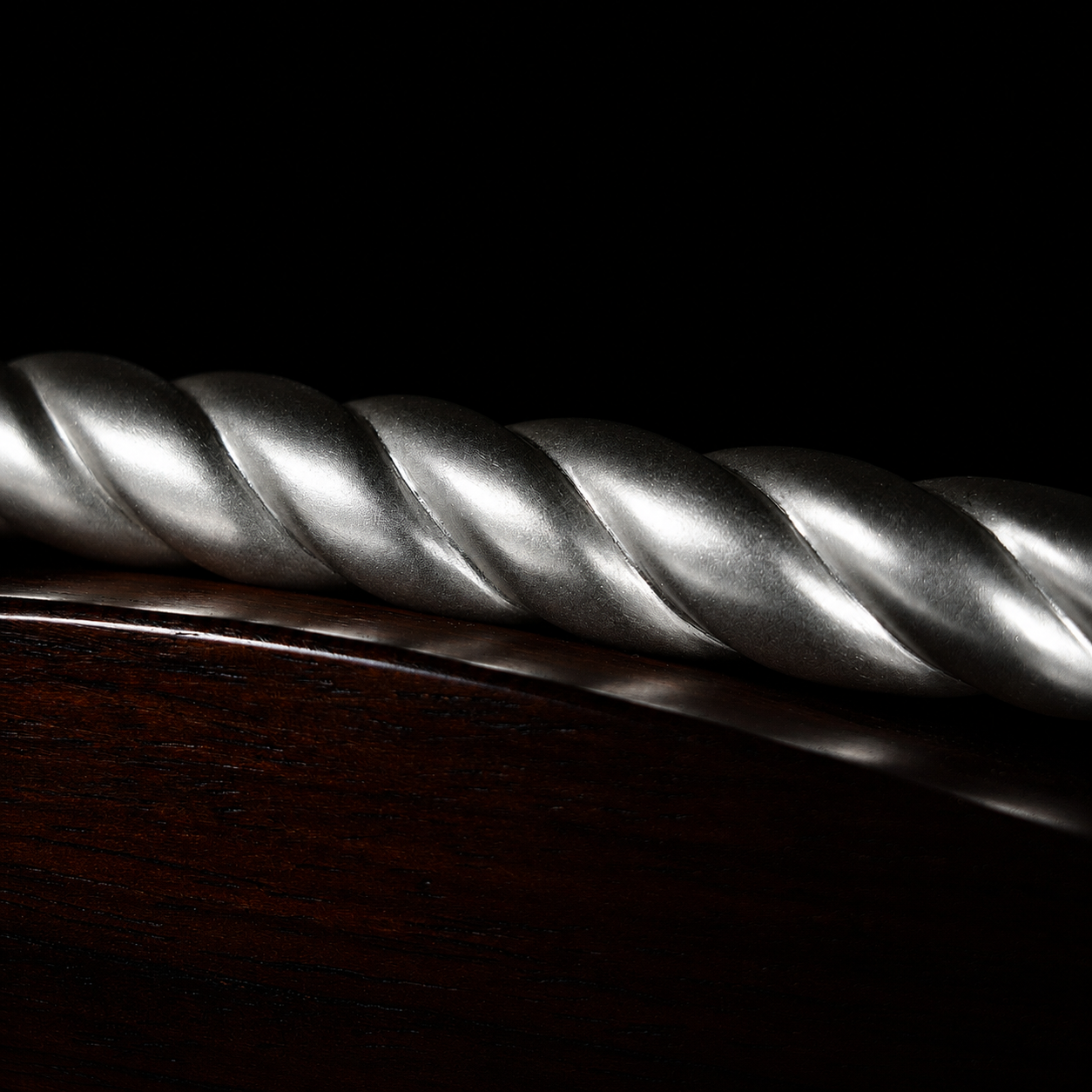
This is a sterling silver reinsmith style smoking pipe with a motif of a yokozuna's (Yokozuna is the highest rank of sumo wrestler / Champion) ornamental mawashi (Mawashi is the loincloth that sumo wrestlers wear) and a temple rope.
The shape is one of the most historic and prestigious of all smoking pipes / Kiseru.
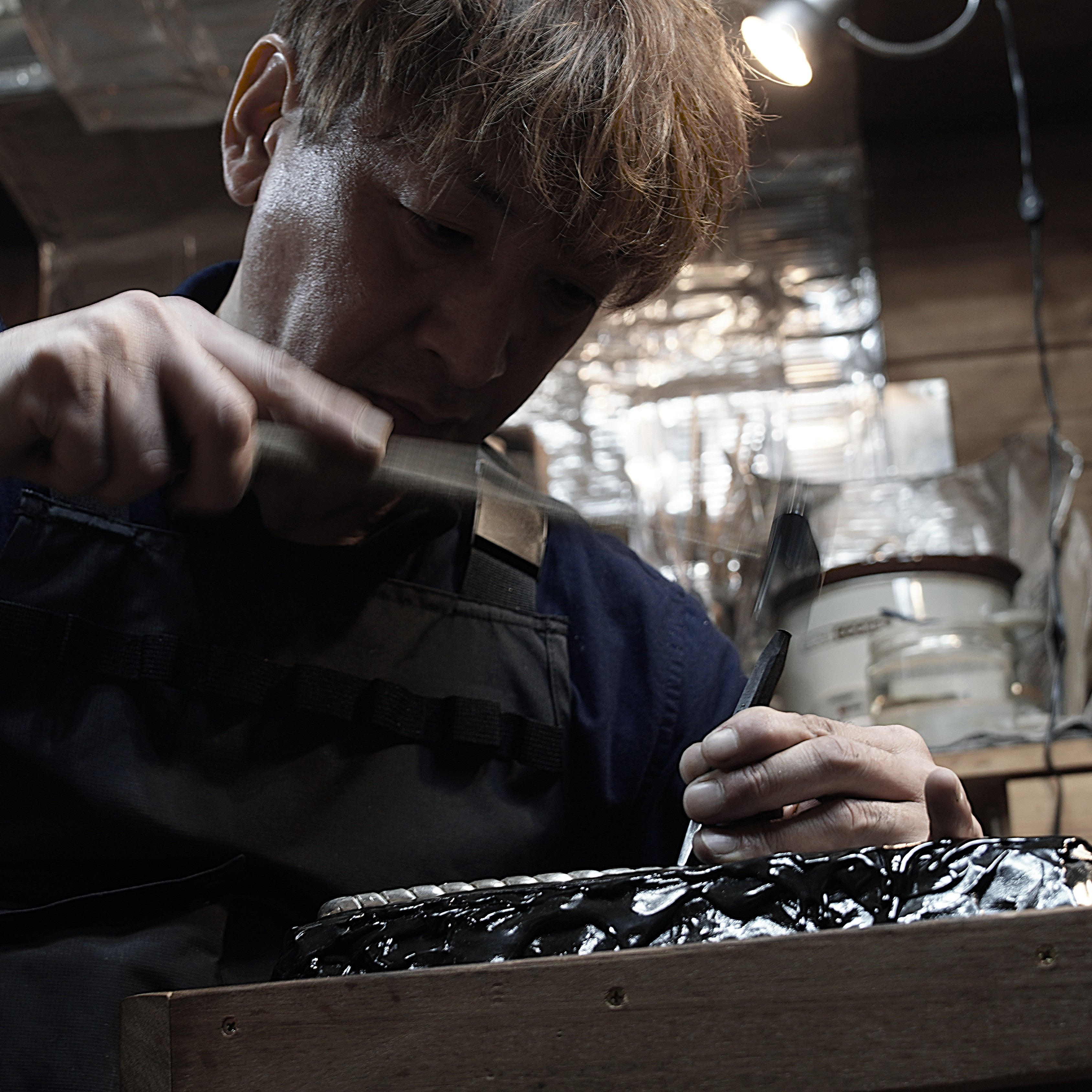
It is made by a traditional Japanese technique of hammered out from a single sheet of plate with a chisel and hammer.
SIZE
Width:1.5cm
Length :24cm
Weight:103g
MATERIAL
Silver
ENGRAVING STUDIO AIKAWA
"For smokers around the world"
I produce Japanese smoking pipes for smokers all over the world to enhance the taste of their cigarettes.
I would like to share the chic Japanese smoking culture with the world with my Japanese smoking pipes made with traditional techniques.
Please enjoy the beauty of the slowly rising smoke!
ARTISAN STORY
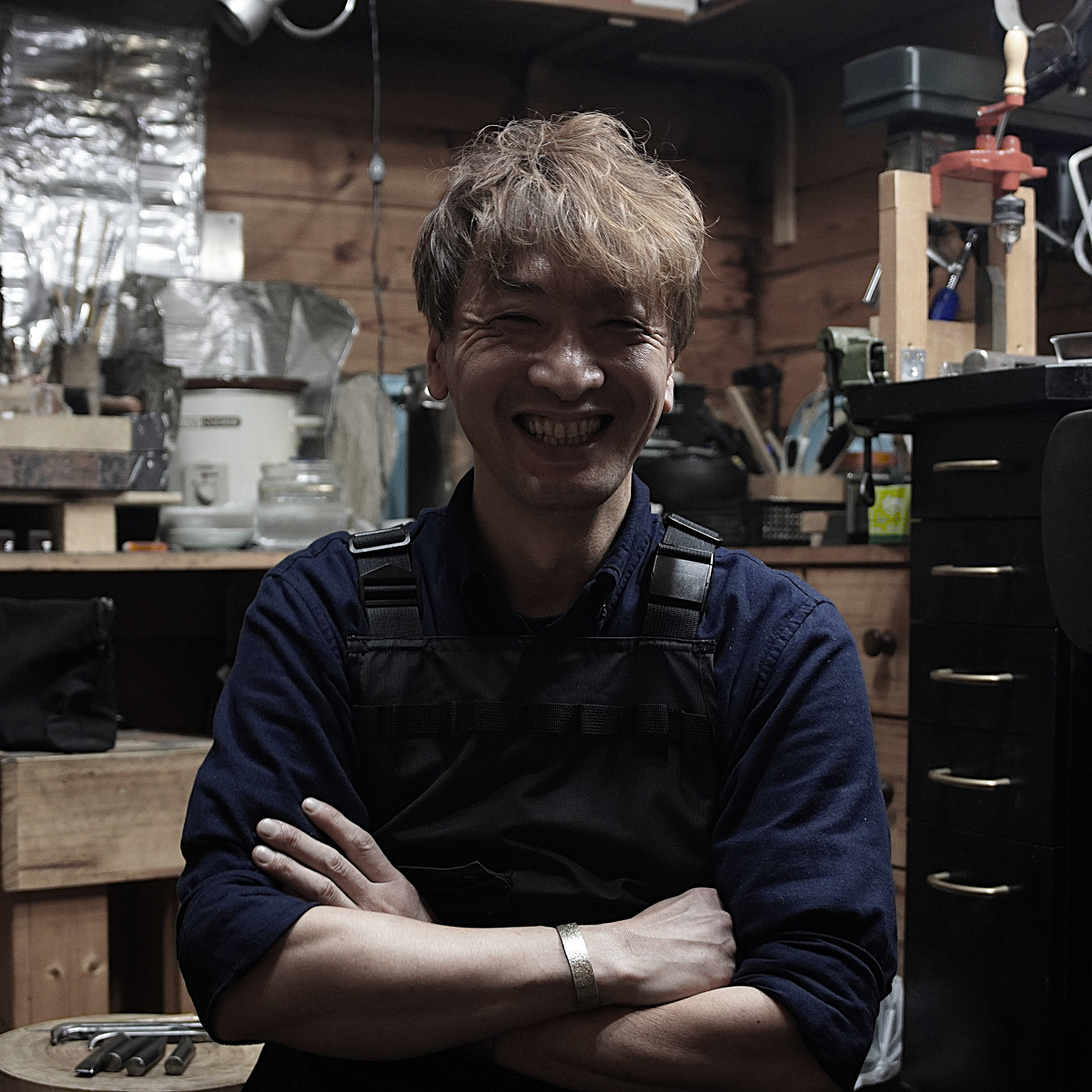
Chiaki Aikawa / Aikawa Engraving Studio
Chiaki Aikawa's main products are accessories and Japanese smoking pipes. Since the technique cannot be mass-produced by machines, each item is carefully crafted one by one.
I also specialize in a technique called Mokume-Gane, in which different metals are layered and melted together to create a pattern by repeatedly beating and carving.
KISERU / JAPANESE SMOKING PIPE
About 450 years ago / 1500s / Azuchi–Momoyama Period (1573–1603)
The kiseru developed after tobacco and smoking culture reached Japan in the late sixteenth century. Inspired by foreign pipes, it evolved into a distinctly Japanese form. During the Edo period, bowls became smaller to suit extremely finely cut tobacco, while metal engraving, inlay and lacquer transformed the pipe into something close to a personal accessory.
For Edo-period Japanese, a kiseru was not merely a smoking implement; it could express taste, status and style. Its everyday use declined after cigarettes became widespread in the modern era, but today it is valued as a vessel for sophisticated metalworking and as a tangible remnant of Edo culture.
One unexpected chapter came after the 1876 sword ban. Metalworkers who had specialized in sword fittings lost much of their traditional market, and some turned their skills to smoking accessories. As a result, techniques once used on samurai equipment survived in exquisitely engraved and inlaid pipes.
Individual Differences
As each piece is individually handcrafted, slight variations in color, pattern, shape, and texture may occur. These subtle differences are a natural characteristic of handcrafted works, making each piece truly unique. We hope you will enjoy these individual variations as part of the beauty and character of Japanese craftsmanship.
Production Time
If an item is not currently in stock, it may be made to order by the artisan. As each piece is carefully handcrafted, production may take several months depending on the item and the artisan's schedule. We appreciate your patience and understanding.

Choose options