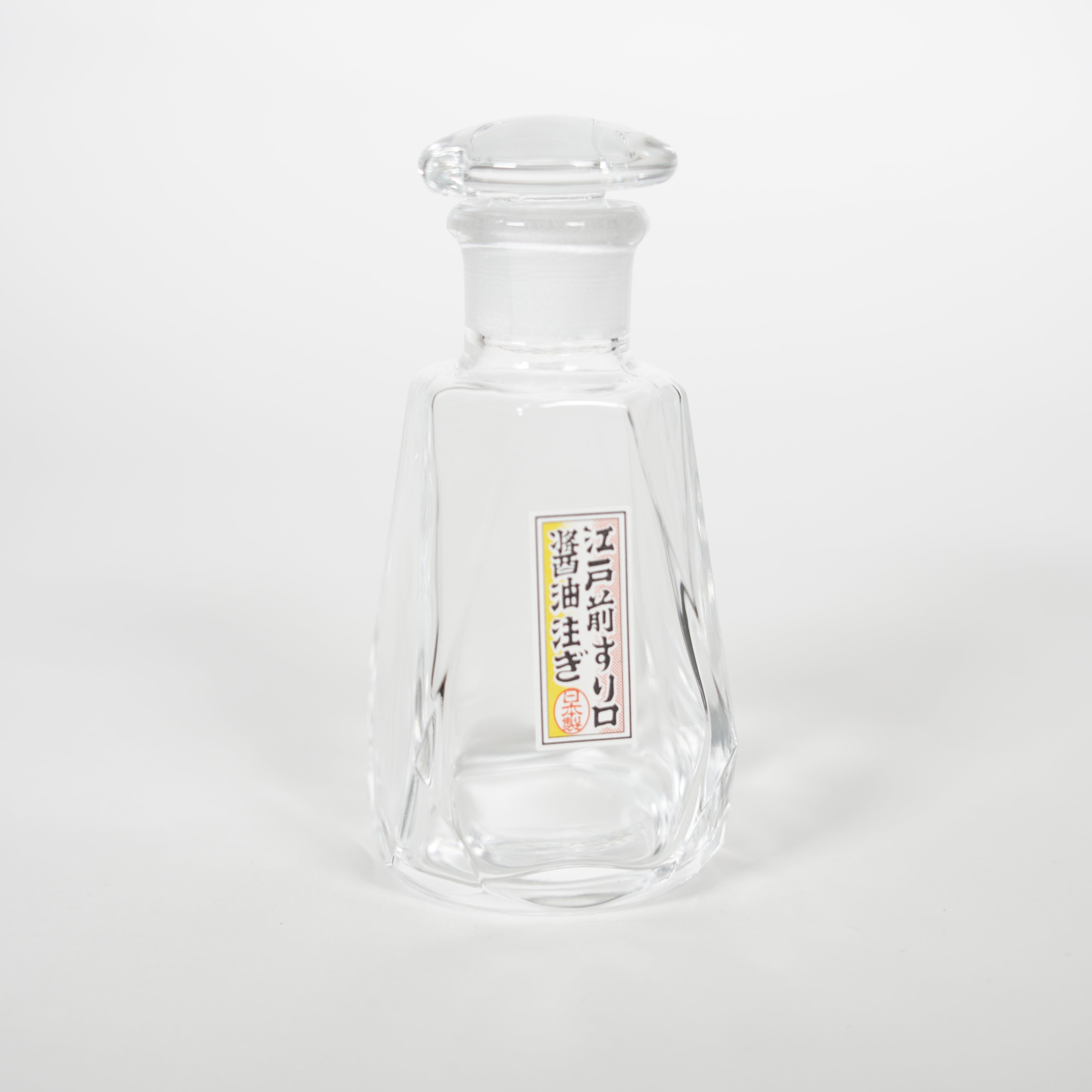
Non Drip Soy Sauce / Olive Oil Dispenser / Large
DESCRIPTION
DETAILS
SIZE
MATERIAL
ARTISAN
KOGEI
Caution
Choose options


Non Drip Soy Sauce / Olive Oil Dispenser / Large
Sale price€36,95
Country
Language
Cart
Your cart is empty


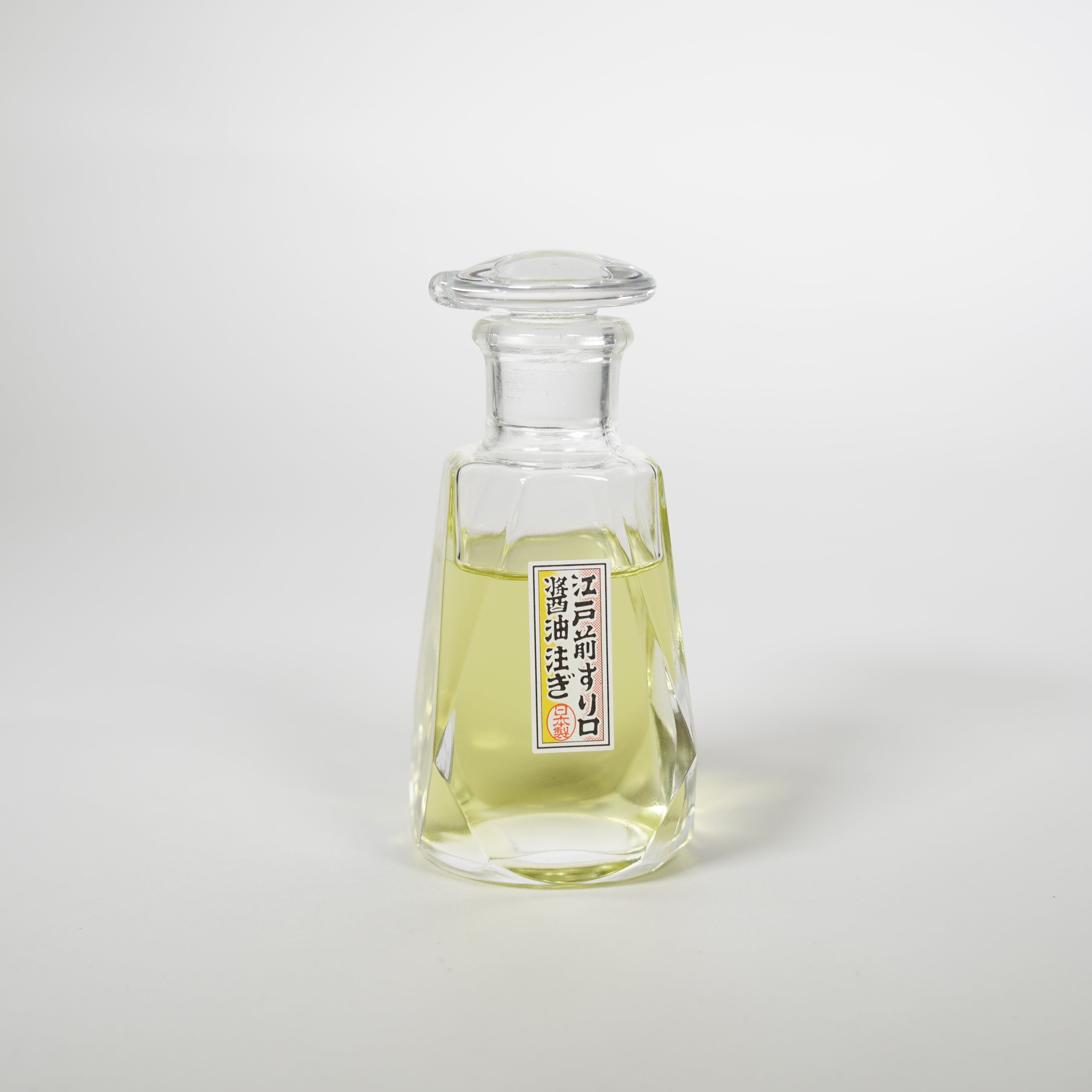
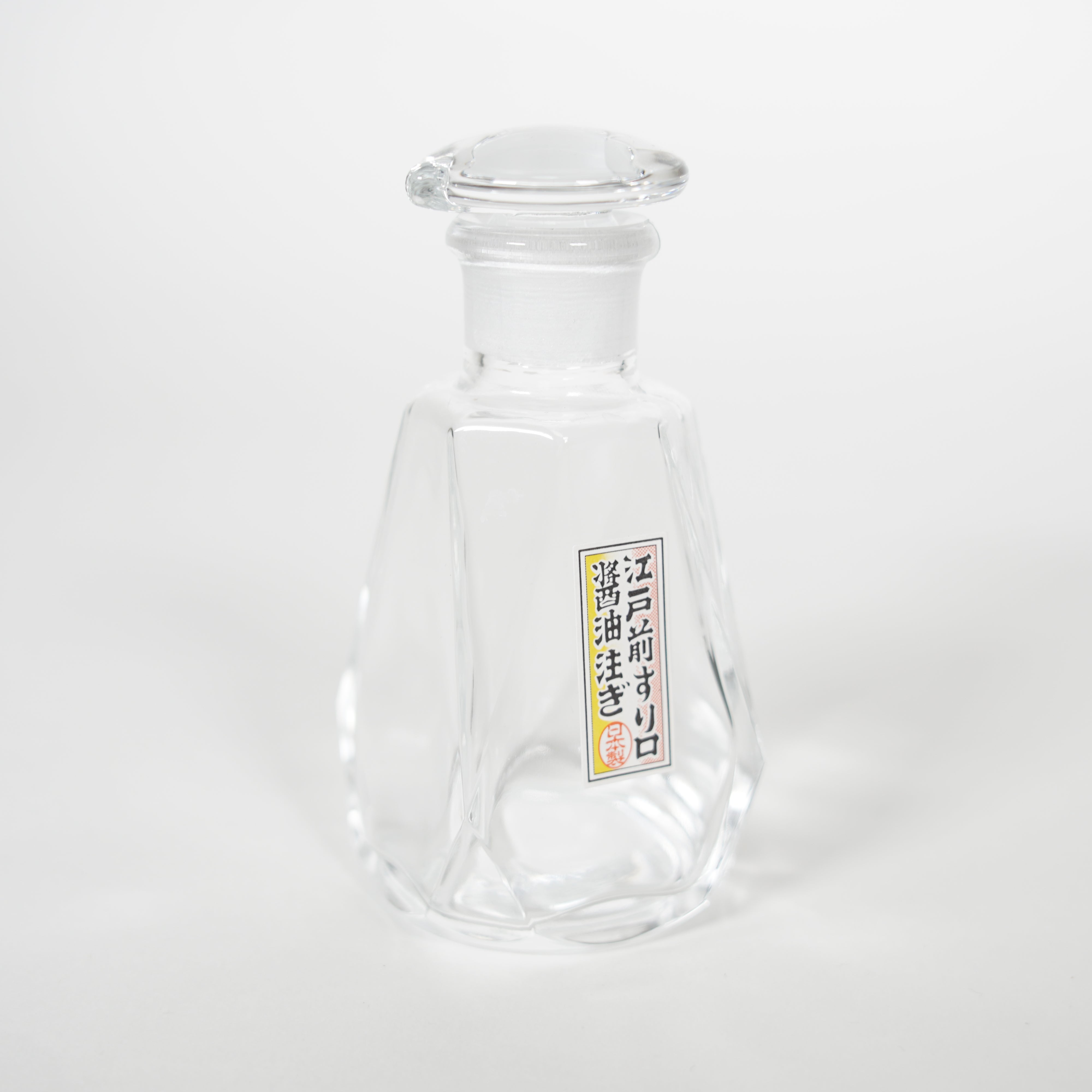
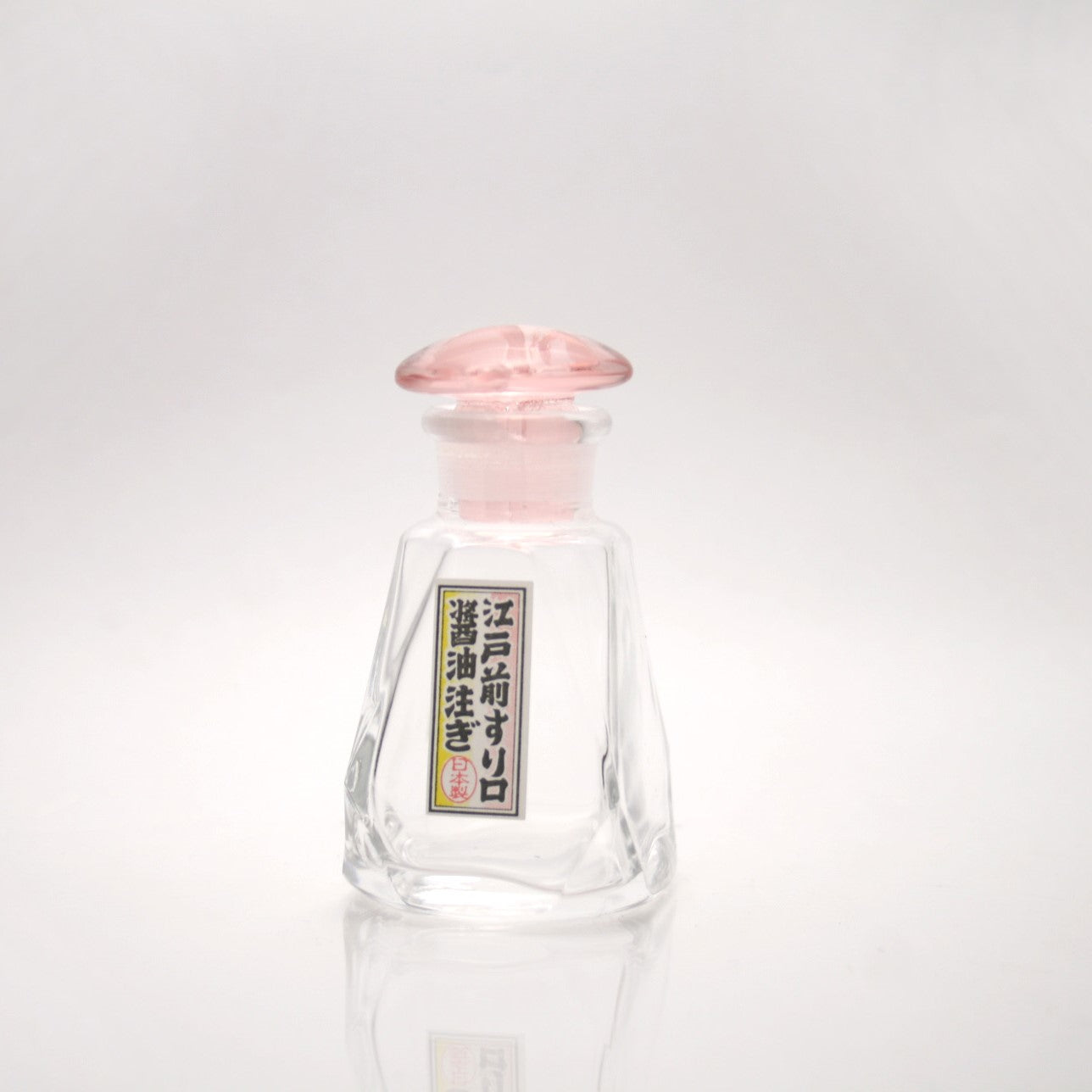
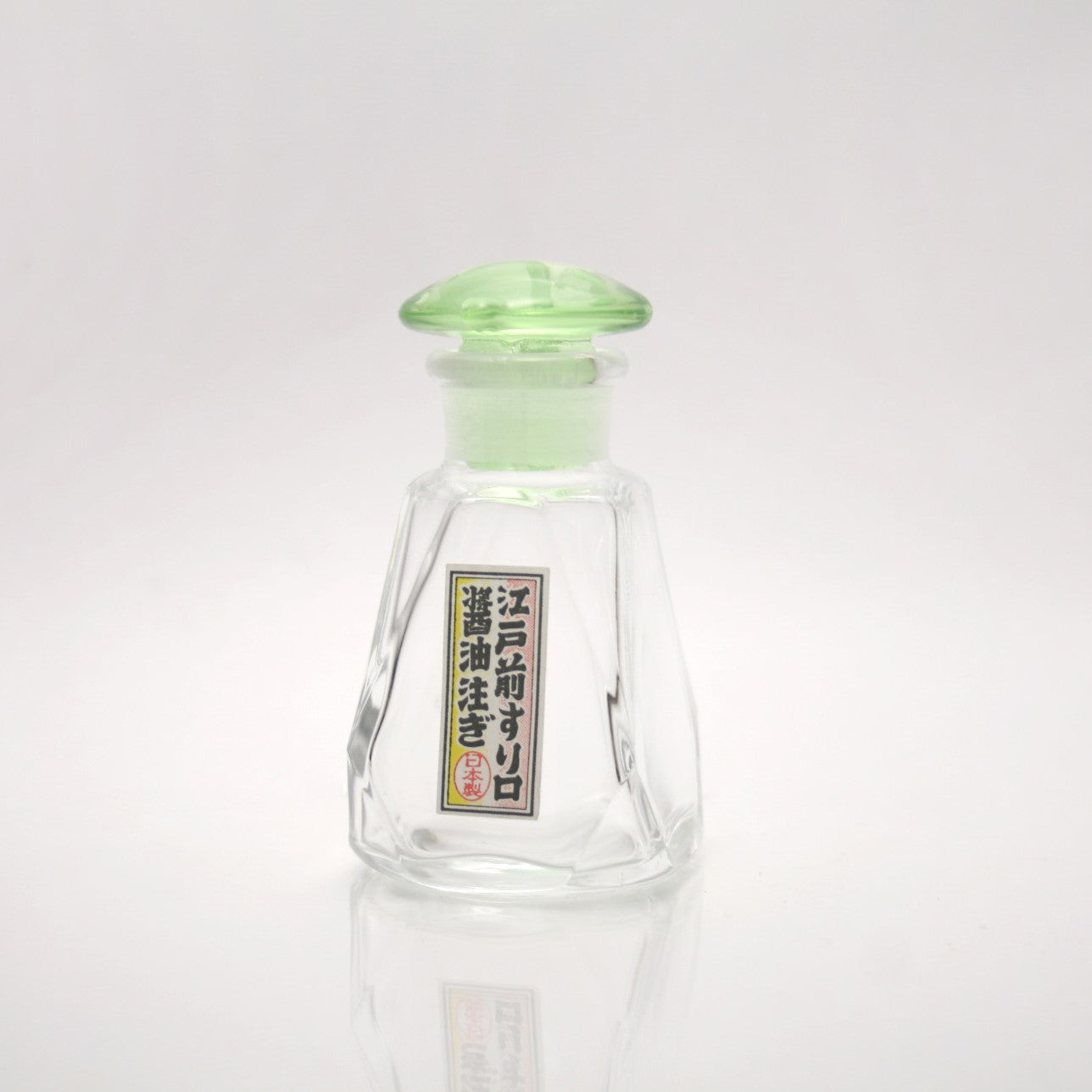
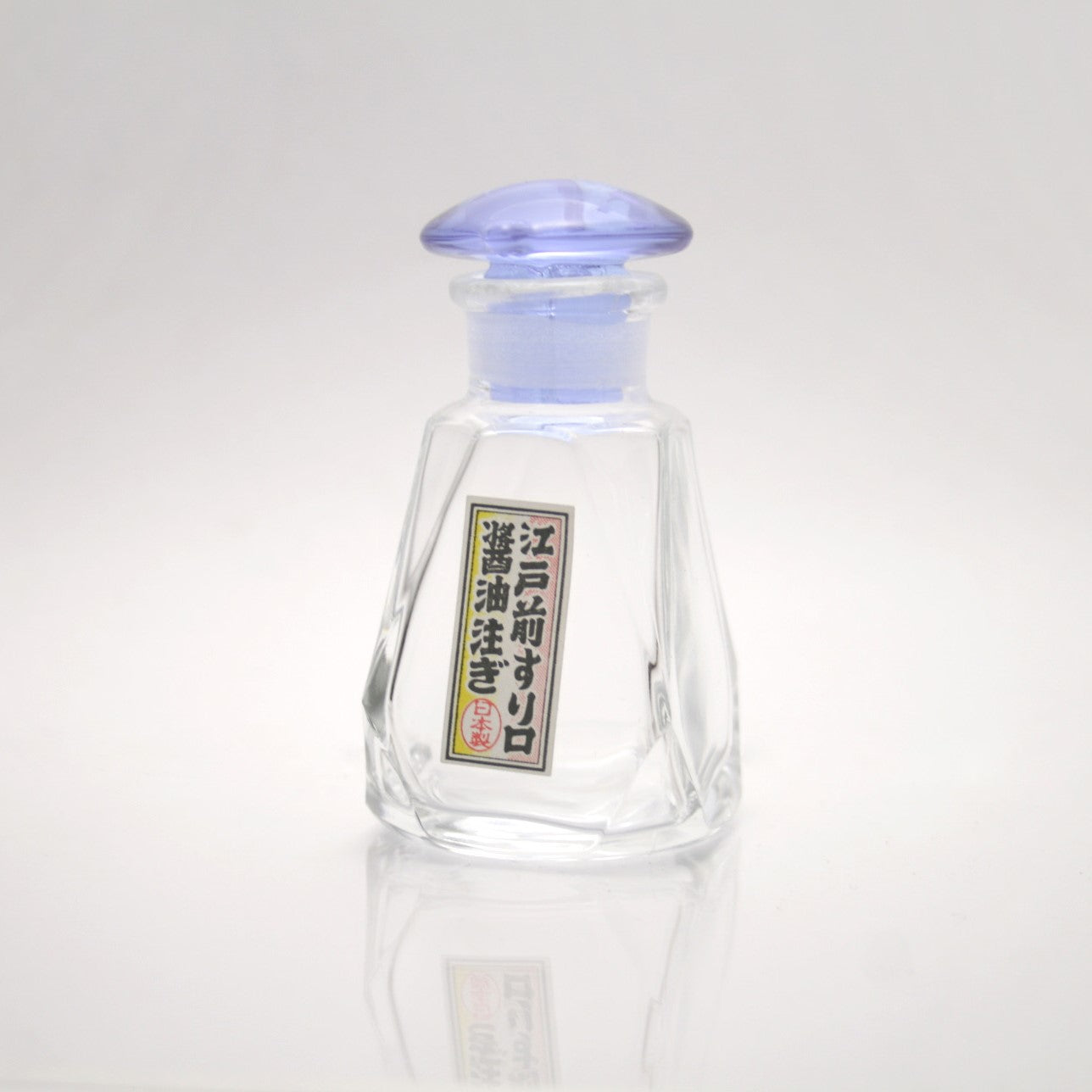
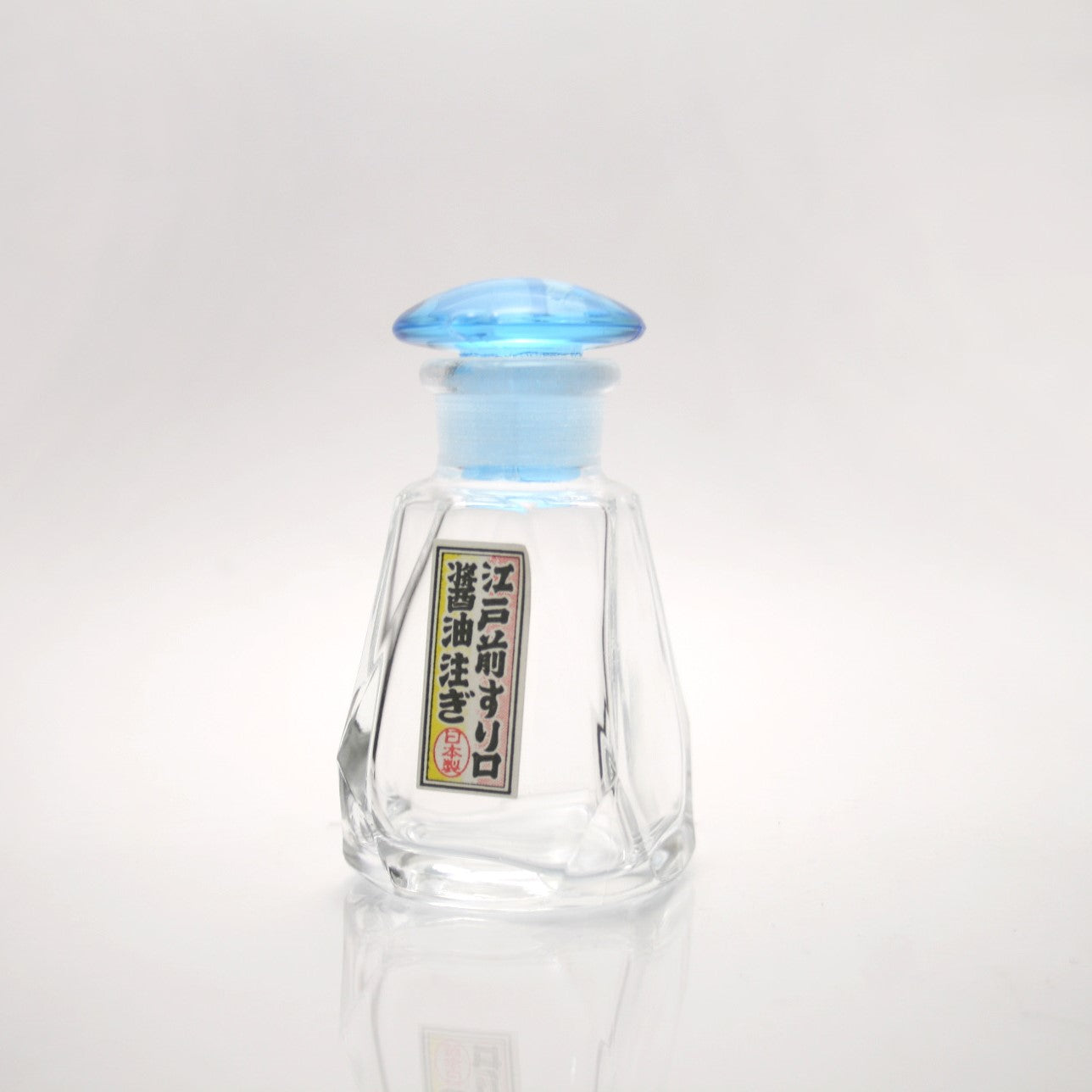
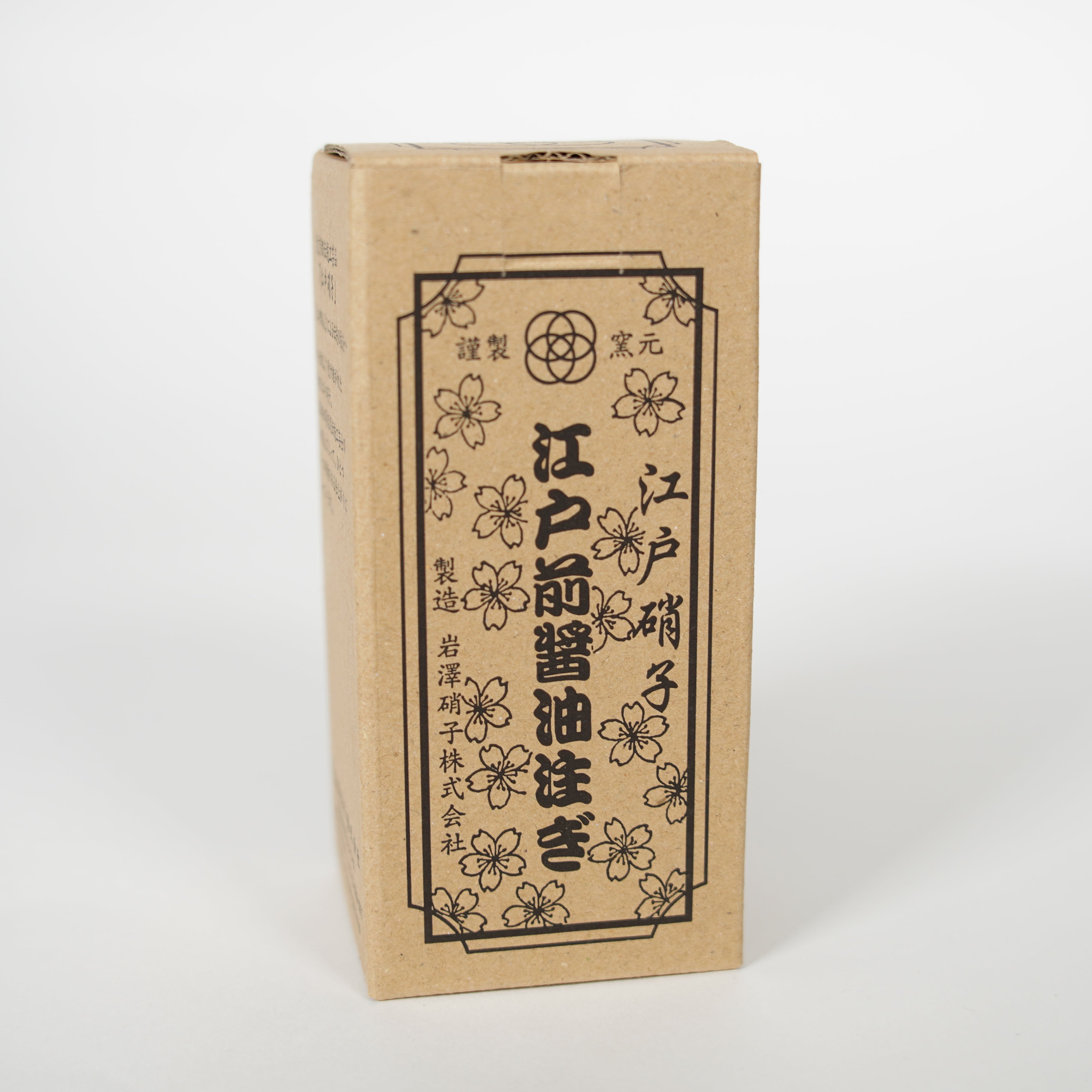
A soy sauce jug that does not drip.
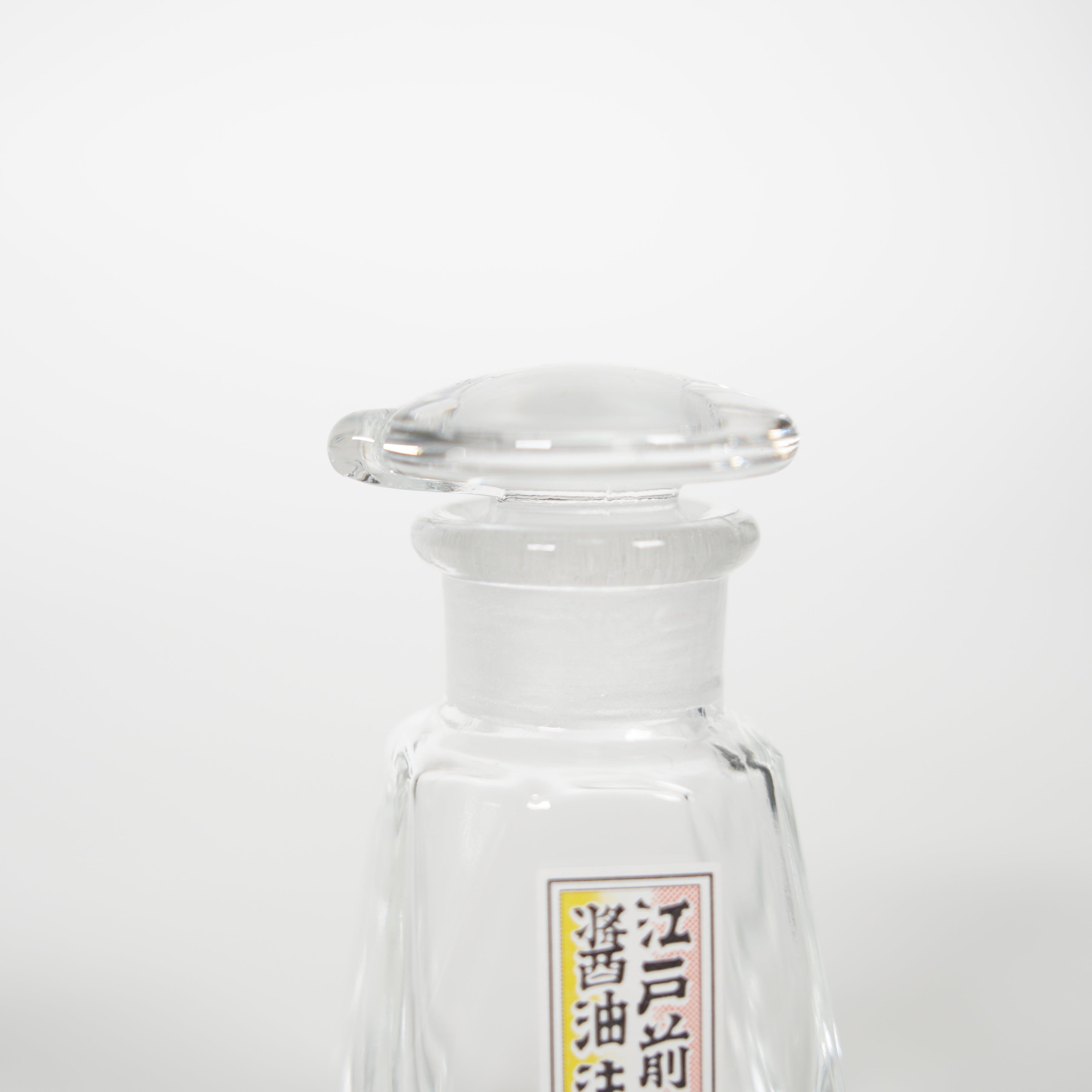
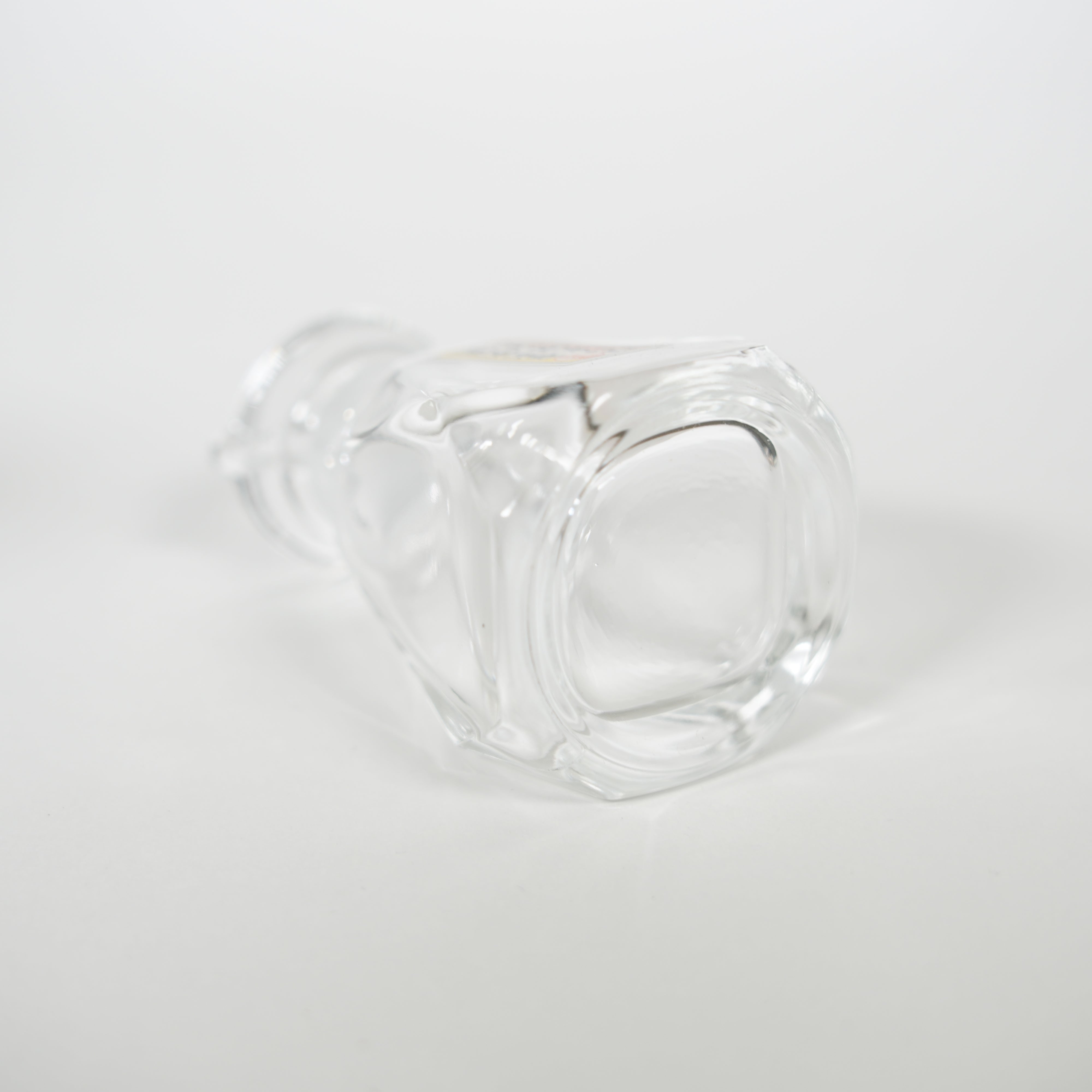
This soy sauce jug is made by the traditional Edo glass manufacturing method.
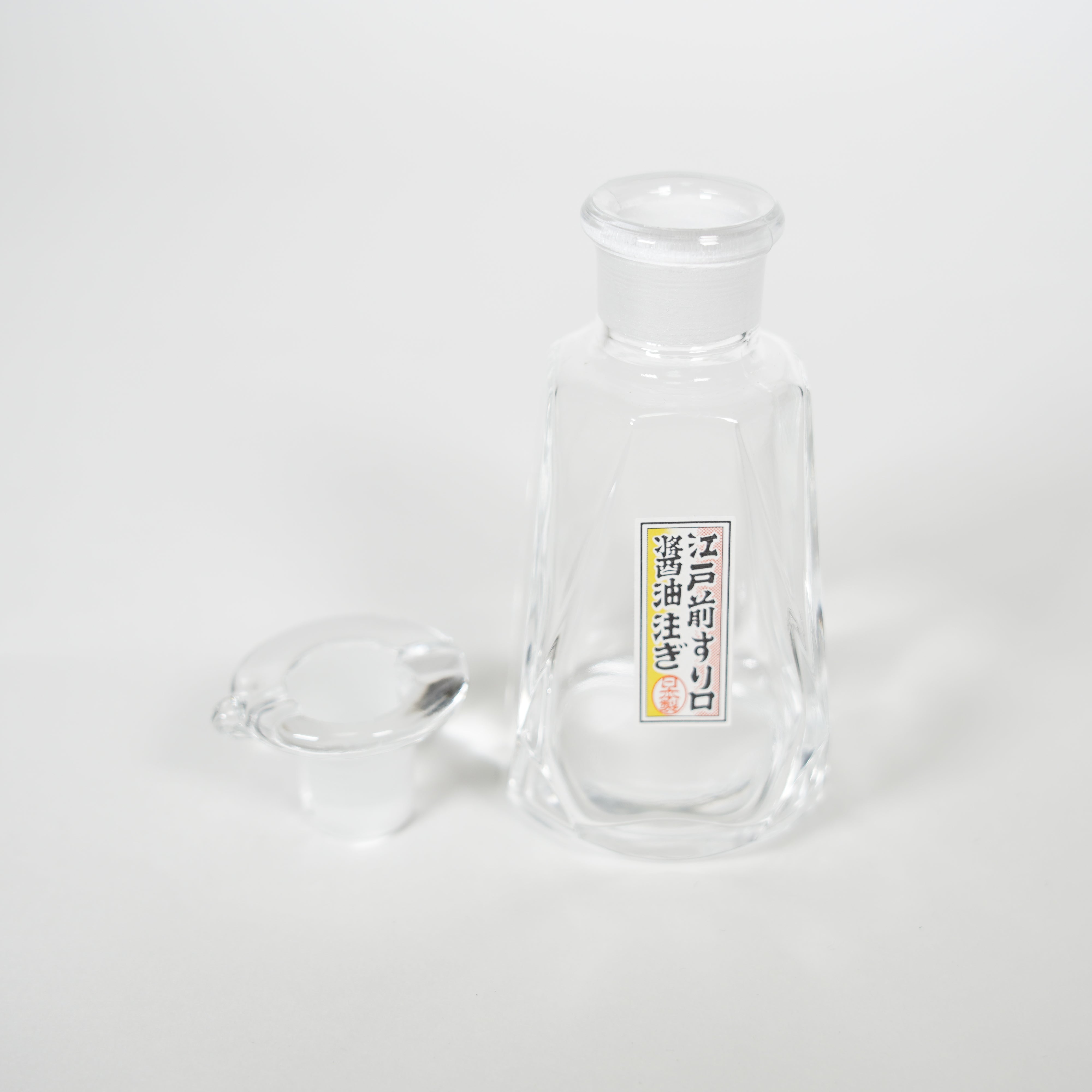
The stopper and the body are carefully rubbed together one by one by the hands of craftsmen.
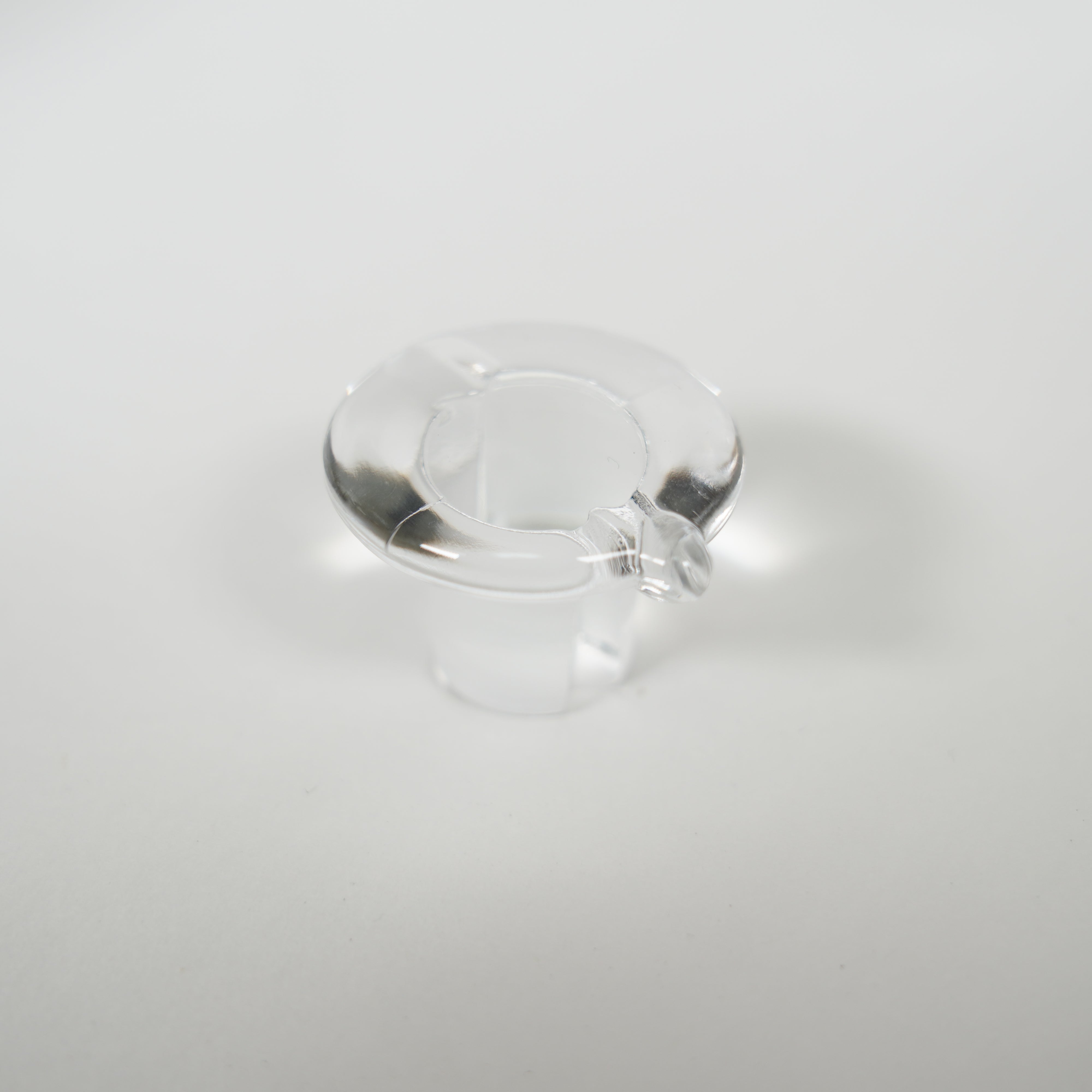
The secret is in the “mortar opening”
The capillary action of the tightly grated lips allows any liquid residue that comes out through the stopper to be returned to the main body.
The sticker is attached, but can be easily removed.
We start to receive large quantity orders for our crafts that’s on our YouTube channel.
If you tell us the number of lots, e.g. 20, 100 or 1000 pieces, we will give you a wholesale price.
If you are interested, please contact us at the email address below.
SIZE
Width:5cm
Height:12cm
Weight:220g
MATERIAL
Glass
IWASAWA GLASS
Passing on the Craftsmanship
Glass manufacturing is an industry in which production cannot be resumed once the fire stops and has no choice but to cease. In addition to being costly, kiln maintenance involves dangerous work, and there are many tasks where skill, intuition, and experience are important.
Because this is an industry that is difficult to maintain, we value each and every one of our craftsmen and focus on passing on their skills on a daily basis to deliver our products to our customers.
ARTISAN STORY
Iwasawa Glass
Founded in 1931, Iwasawa Glass is a valuable glass manufacturer that still makes glass by hand, even though its factory is located in Tokyo.
The company specializes in the “mold process,” in which molten glass is poured into molds and formed by pressing, spindles, and squeezing, and its main products are thick glass tableware.
There are only a few glass factories in Japan that are capable of this process.
EDO GLASS / EDO GLASSWARE
About 300 years ago / 1700s / Edo Period (1603–1868)
Glassmaking in Edo developed as blowing techniques that had entered Japan through Nagasaki spread to the shogun’s capital in the eighteenth century. Objects called bidoro or giyaman—vessels, wind chimes and hair ornaments—became part of urban culture, and Western equipment introduced in the modern era helped build Tokyo’s glass industry.
In Japan, Edo glass is appreciated for the subtle irregularities created by mold-blowing and free-blowing: tiny bubbles, gentle waviness and variations in thickness. Today it remains everyday tableware and flowerware, valued precisely because it feels softer and less uniform than machine production.
A hand-blown glass may not be perfectly circular or equally thick, yet these differences are part of its appeal. When light passes through, small changes in thickness bend the view like a lens. In a transparent material, the breath and hand movement of the maker remain visible.
Individual Differences
As each piece is individually handcrafted, slight variations in color, pattern, shape, and texture may occur. These subtle differences are a natural characteristic of handcrafted works, making each piece truly unique. We hope you will enjoy these individual variations as part of the beauty and character of Japanese craftsmanship.
Production Time
If an item is not currently in stock, it may be made to order by the artisan. As each piece is carefully handcrafted, production may take several months depending on the item and the artisan's schedule. We appreciate your patience and understanding.

Choose options