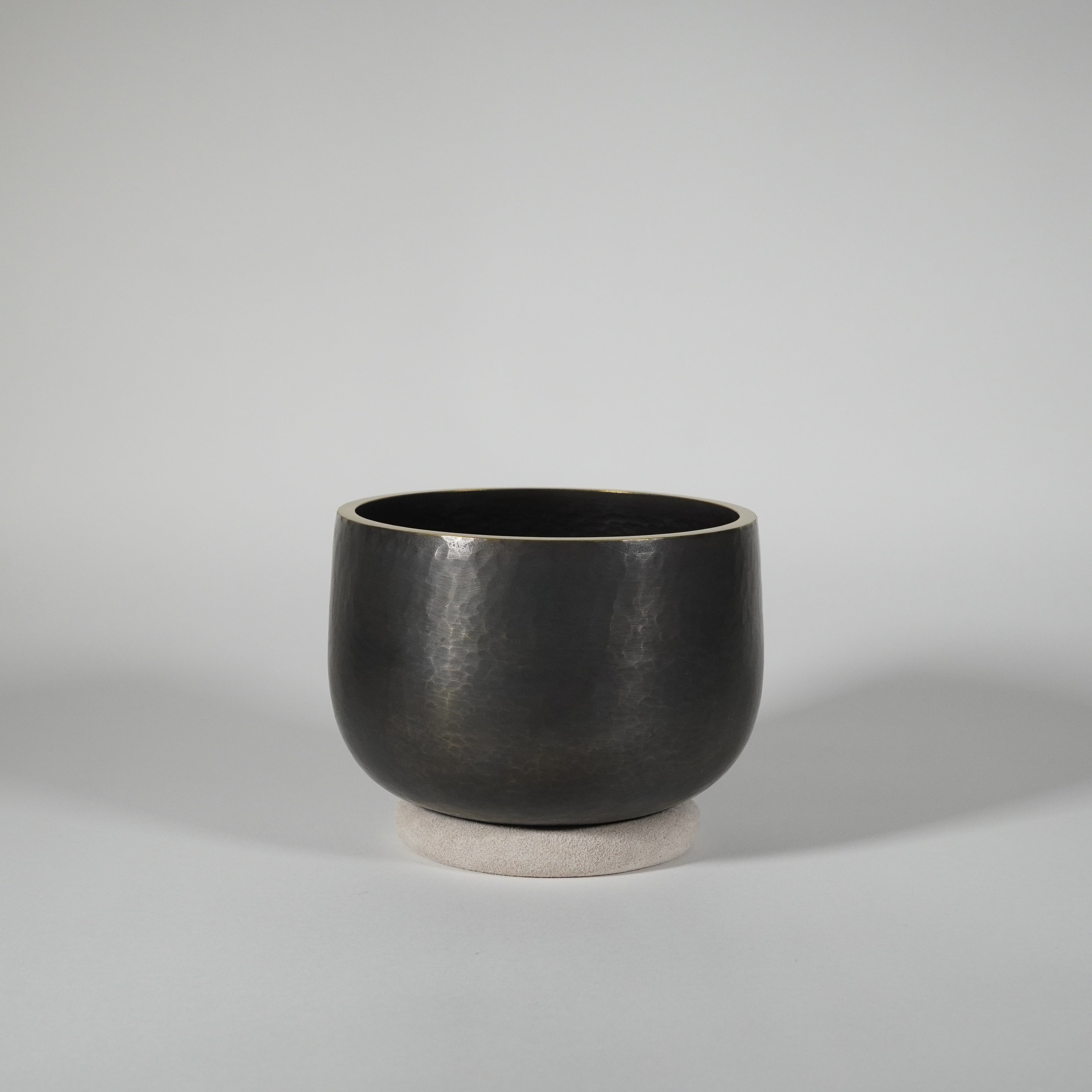

Shoryu Orin / Black
DESCRIPTION
DETAILS
SIZE
MATERIAL
ARTISAN
KOGEI
Caution
Shoryu Orin / Black
Sale price€716,95
Choose options
Shoryu Orin / Black
Sale price€716,95
Country
Language
Cart
Your cart is empty
Each bell is individually forged from a single plate and tuned.
Smaller bells produce higher pitches. As the bells grow larger, the sound becomes lower with a longer, undulating resonance.
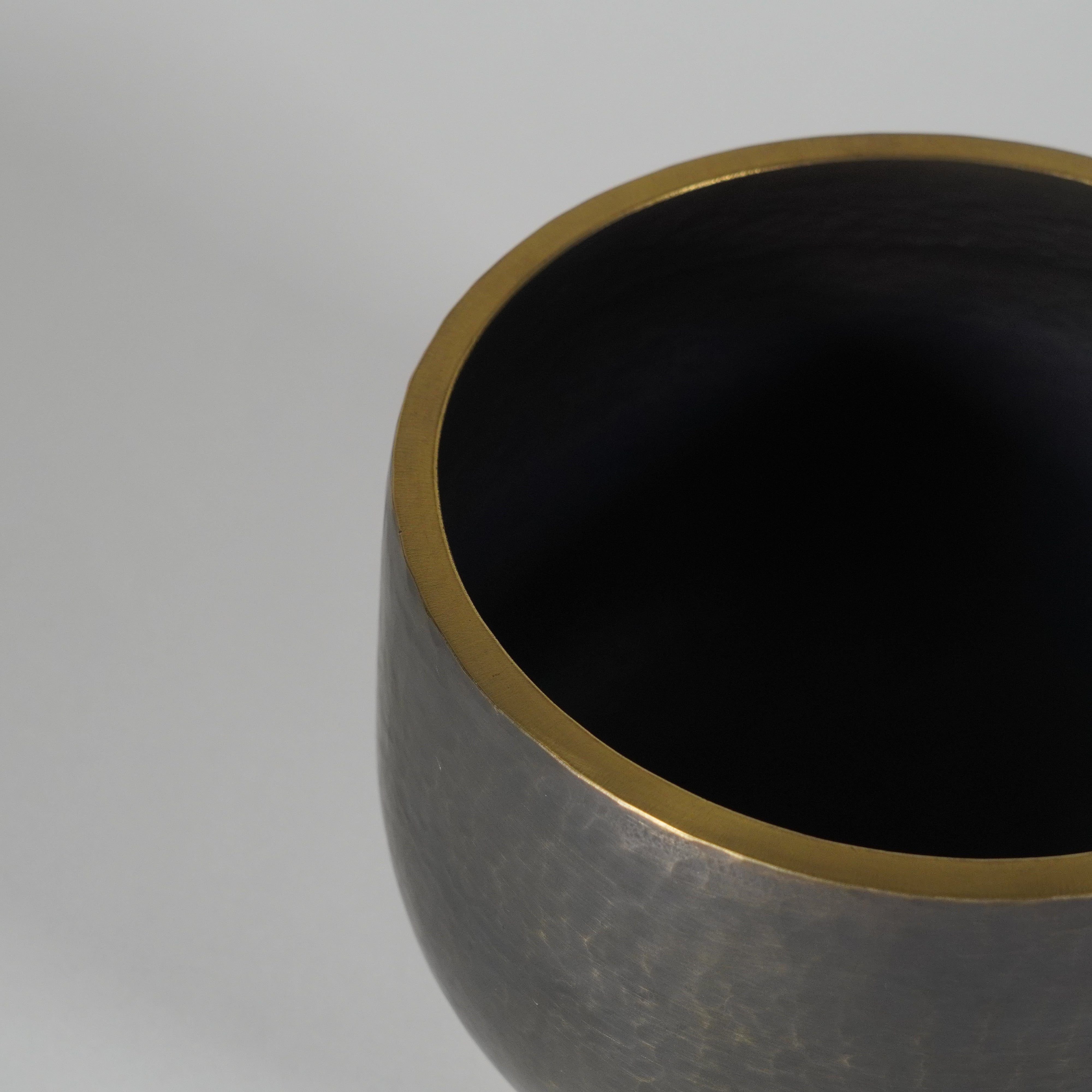
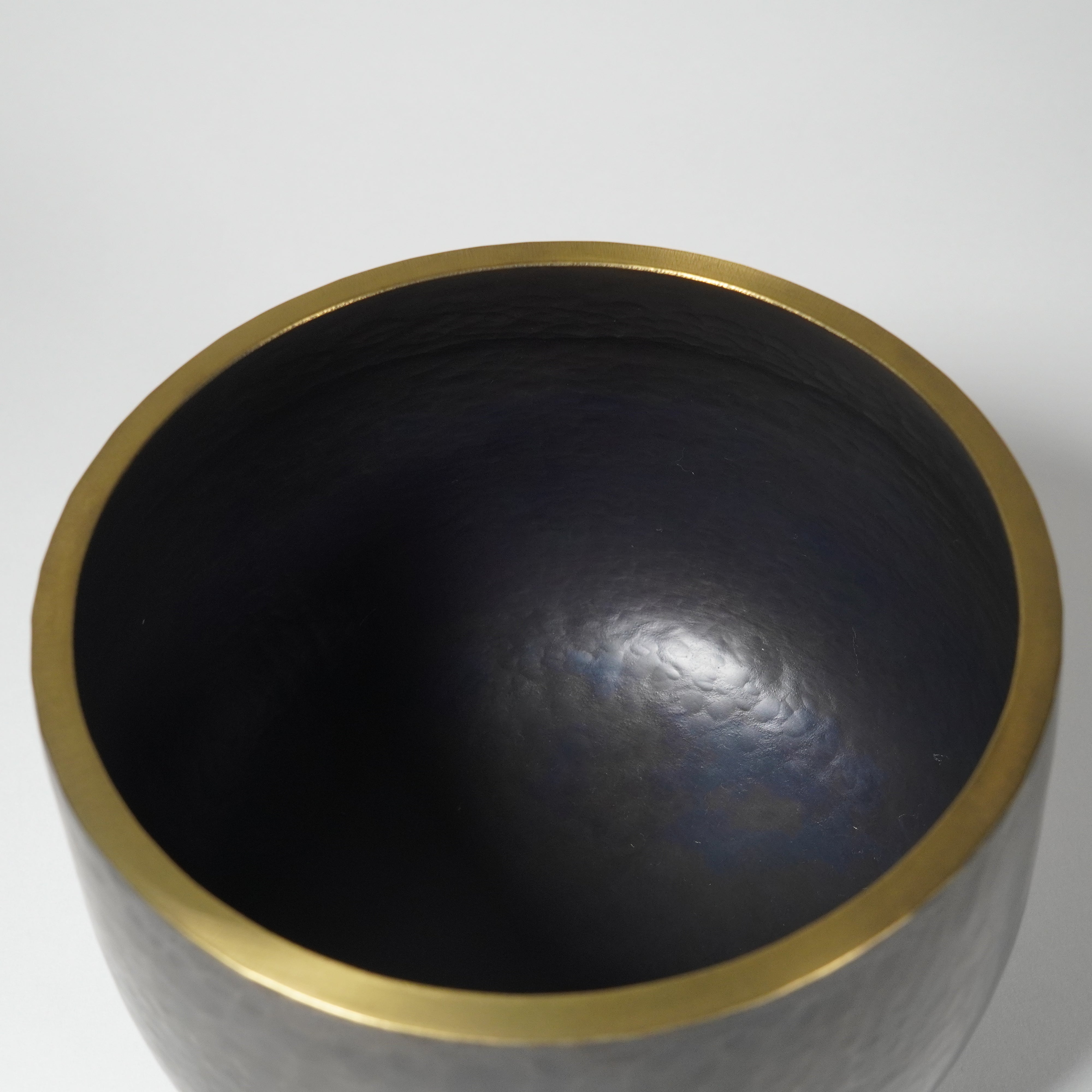
The black finish is achieved through “kurozome,” a traditional brass coloring technique.
This involves chemically treating golden brass to achieve a black finish.
While finishes like painting or plating can sometimes dampen the tone, kurozome is a chemical process, allowing you to enjoy the full, natural resonance of the bell.
-Accessories-
・Orin
・Bell stick
・Cushion
・Orin pouch
・Bell stick pouch
SIZE
Size 1 :【Width:10cm Height:7cm】
Size 2 :【Width:11.5cm Height:8cm】
Size 3 :【Width:13cm Height:9cm】
Size 4 :【Width:14.5cm Height:10cm】
Size 5 :【Width:16.5cm Height:11.5cm】
Size 6 :【Width:19cm Height:15cm】
Size 7 :【Width:23cm Height:17cm】
Size 8 :【Width:26cm Height:20cm】
Size 9 :【Width:30cm Height:23cm】
MATERIAL
Brass
SYOURYU SHIMATANI
Adapting to changing needs
Now, in response to the demands of the times, "Syouryu" transcends the framework of Buddhist instruments and even crosses cultural differences, reaching the hands of diverse people around the world.
Adapting to the changing needs of individuals and society, numerous innovations and creations have been accumulated. While the techniques and designs undergo evolution, the profound secrets that resonate with all things in universe are faithfully preserved.
ARTISAN STORY
x
ORIN / JAPANESE SINGING BOWL
About 1,400 years ago / 600s / Asuka Period (592–710)
Japanese singing bowls trace their roots to metal ritual instruments that arrived in Japan with Buddhism. They became established in temples as signals for chanting and worship, later spreading to household Buddhist altars. Through refinements in casting, hammering and alloy composition, Japanese makers developed bowls prized for long, clear resonance.
For many Japanese people, the sound of a singing bowl marks more than a religious ritual: it creates a moment to remember the deceased and settle the mind. Today the bowls remain important Buddhist implements, while also being rediscovered for meditation, relaxation and contemporary interiors.
A fascinating point is that two bowls of almost identical appearance can sound completely different. Alloy composition, wall thickness, finishing, temperature and humidity can all affect resonance, and craftspeople ultimately tune the sound by ear. In that sense, this is not only a craft of shaping metal, but a craft of shaping sound.
Individual Differences
As each piece is individually handcrafted, slight variations in color, pattern, shape, and texture may occur. These subtle differences are a natural characteristic of handcrafted works, making each piece truly unique. We hope you will enjoy these individual variations as part of the beauty and character of Japanese craftsmanship.
Production Time
If an item is not currently in stock, it may be made to order by the artisan. As each piece is carefully handcrafted, production may take several months depending on the item and the artisan's schedule. We appreciate your patience and understanding.
Choose options